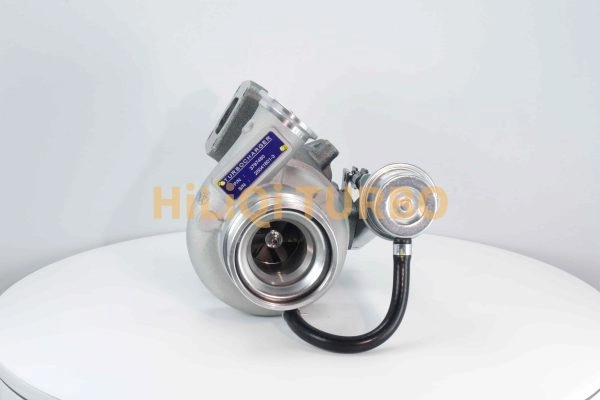
Fleet managers get it. Your trucks and machines need to stay running. But every turbo swap hits the wallet hard. Premium OEM pieces work great—until the bill shows up. Heading into 2026, plenty of operators wonder the same thing. Can I find solid boost without paying top dollar?
Yes, you can. The aftermarket turbo world offers real choices now. Not every option holds up, though. This guide focuses on what really counts for tough fleets—long life, perfect fit, and honest performance. We cover the headaches you deal with every few months, the must-have traits that make one turbo stand out, and how picking wisely cuts risk while keeping your costs in check. Straight facts. No sales pitch. Just clear advice to help you decide with confidence and keep everything rolling.
The Pressure on Fleet Budgets Today
Picture a typical day in your shop. A long-haul truck rolls in with a failed turbo after 180,000 miles. The driver lost power on the interstate, the tow bill hit four figures, and now you’re staring at another premium replacement that eats half your monthly maintenance allocation. Sound familiar?
Fleet operators locked into big-name suppliers feel this squeeze harder every year. Fuel prices swing, labor costs climb, and downtime turns small problems into major losses. One turbo failure on a genset or construction rig can idle an entire crew for a shift. Over a year, those incidents add up fast—especially when you factor in the ripple effect on schedules and customer commitments.
Budget pressure pushes many managers to hunt for alternatives. Yet the fear of chasing cheap parts that fail early keeps most from pulling the trigger. The good news? A growing crop of aftermarket turbo options now matches factory-level durability without the markup. The key is knowing exactly what separates the reliable ones from the risky plays.
Spotting a True High-Quality Aftermarket Turbo
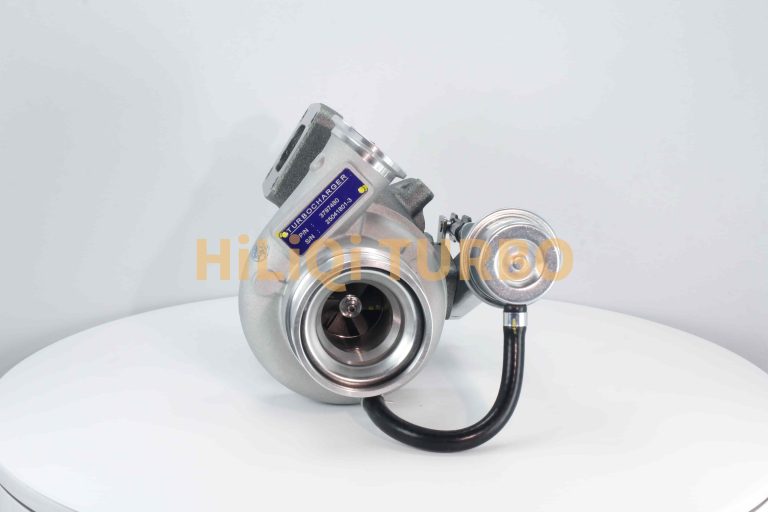
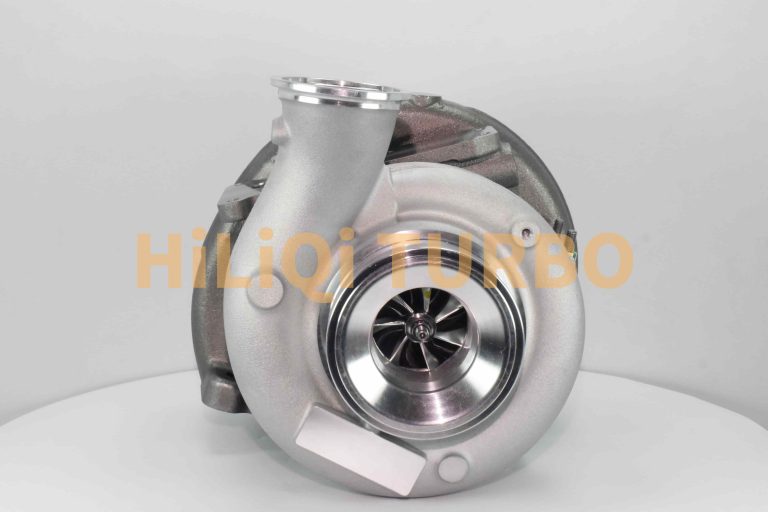
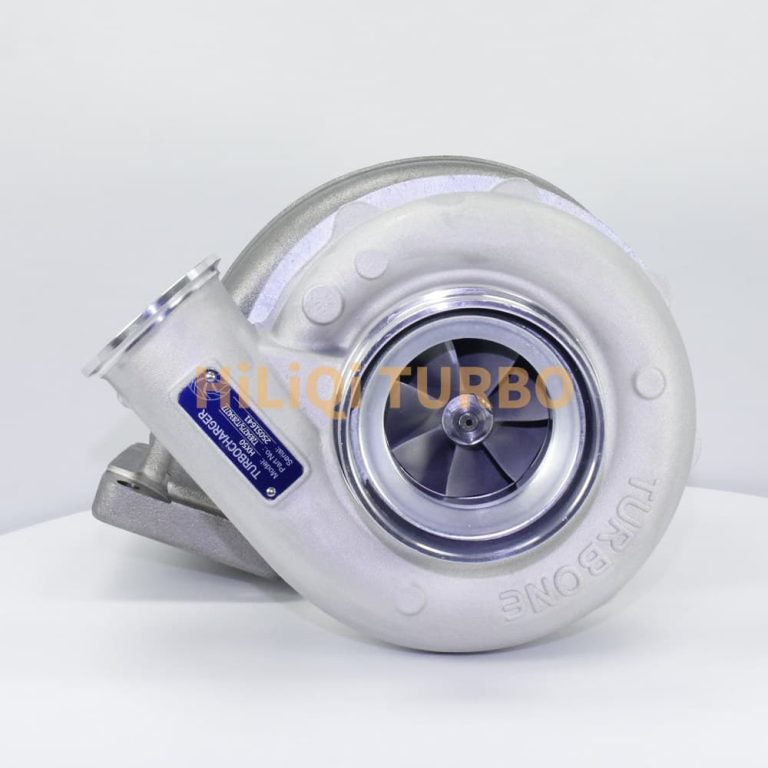
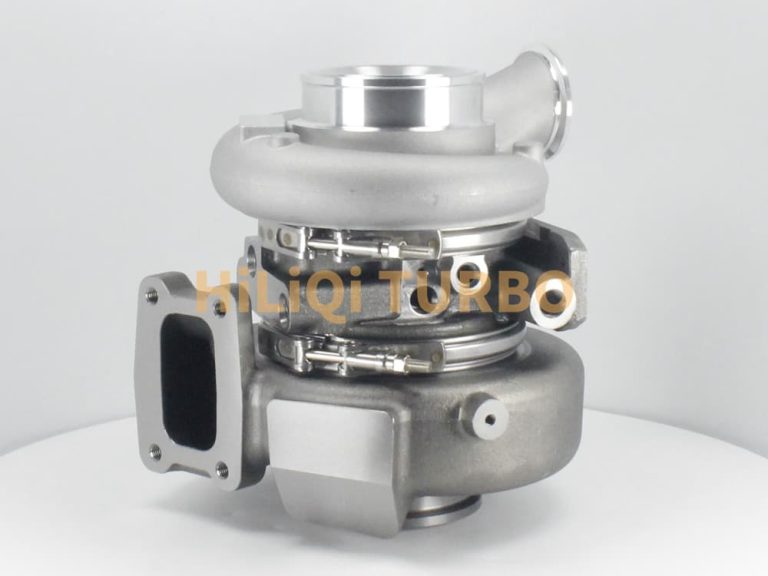
Not all aftermarket turbos are the same. Walk into any parts counter and you’ll see plenty of choices, but only a handful check every box for heavy-duty use. Here’s what fleet pros should demand in 2026:
- Drop-in compatibility: No drilling, no recalibration. The unit slides right into place and matches the original torque curve and fuel map.
- Heat-resistant materials: Turbine wheels built from alloys that handle exhaust temps pushing 900°C without warping or cracking.
- Precision balancing: High-speed vibration sorting that eliminates noise and wear before the turbo ever spins up.
- Full traceability: Every assembly step logged so you can trace a part back to raw materials if questions ever pop up.
These aren’t nice-to-haves. They’re the difference between a turbo that lasts 200,000 miles and one that lets you down at 80,000. Fleets running industrial engines or heavy construction gear need this level of engineering because load cycles are brutal and service windows are tight.
How Rigorous Testing Cuts Your Risks
Risk sits at the heart of every purchasing decision. A bad turbo doesn’t just cost money—it strands equipment and erodes trust in your maintenance program. That’s why leading aftermarket suppliers put units through tests that go far beyond basic bench runs.
Start with axial and radial clearance checks. Even a 0.01 mm deviation can cause rubbing under boost. Top-tier makers use three-coordinate measuring machines accurate to 0.001 mm to catch issues before they leave the plant. Then comes dynamic balancing on high-speed rigs. Compressor and turbine wheels spin up to operating speeds so vibration never becomes a problem down the road.
Fatigue-life testing runs units through thousands of hot-cold cycles that mimic real fleet duty. Sealability checks confirm zero oil leaks at every joint. Actuator response gets measured to the millisecond. These steps add cost on the manufacturing side, but they slash warranty claims and roadside failures for the end user.
The result? Fleet managers sleep easier knowing the replacement won’t turn into an unplanned expense six months later. In an industry where uptime equals revenue, that peace of mind carries real weight.
How Rigorous Testing Cuts Your Risks
Every buy carries some worry. A weak turbo doesn’t just cost cash. It strands gear. It shakes trust in your whole upkeep plan. That’s why the best aftermarket makers run tough checks—way past simple bench spins.
They start with super-accurate clearance tests. Axial. Radial. Even tiny gaps—0.01 mm off—can cause scraping under load. Leading shops use three-coordinate machines precise to 0.001 mm. They catch flaws before anything ships.
Next comes high-speed balancing. Compressor wheels. Turbine wheels. Shafts. All get spun to full operating rpm. Vibration stays low. No noise or damage shows up later.
Fatigue runs push units through endless hot-to-cold swings. They copy real fleet life. Seal checks make sure no oil drips anywhere. Actuator timing gets timed down to the split second.
Sure, these steps raise production costs. But they drop warranty headaches and surprise breakdowns for you. In a world where every hour running equals money, that kind of reliability matters a ton.
Real Savings Without Sacrificing Strength
Let’s look at the dollars—plain and simple. Big-name OEM turbos cost more because of the logo and dealer cut. A strong aftermarket version often comes in 30-40% cheaper. It still gives identical spool-up and efficiency.
Run the math on a fifty-truck fleet. Say you swap fifteen to twenty turbos yearly. The difference can pay for added inspections, better tires, or safety upgrades.
The bigger payoff shows in total ownership cost. Fewer comebacks mean less shop time. Longer intervals stretch your budget. And since performance matches factory levels, fuel stays efficient. No extra diesel wasted on weak boost.
One fleet operator we know runs a mix of heavy trucks and industrial setups. After moving to better aftermarket choices, their turbo-related stops dropped almost 60% in year one. Drivers felt smoother power. Mechanics chased fewer leaks. That kind of result turns a single swap into a lasting edge.
Discovering HILIQI: A Trusted and Experienced Aftermarket Brand for Precision Engineered Turbochargers
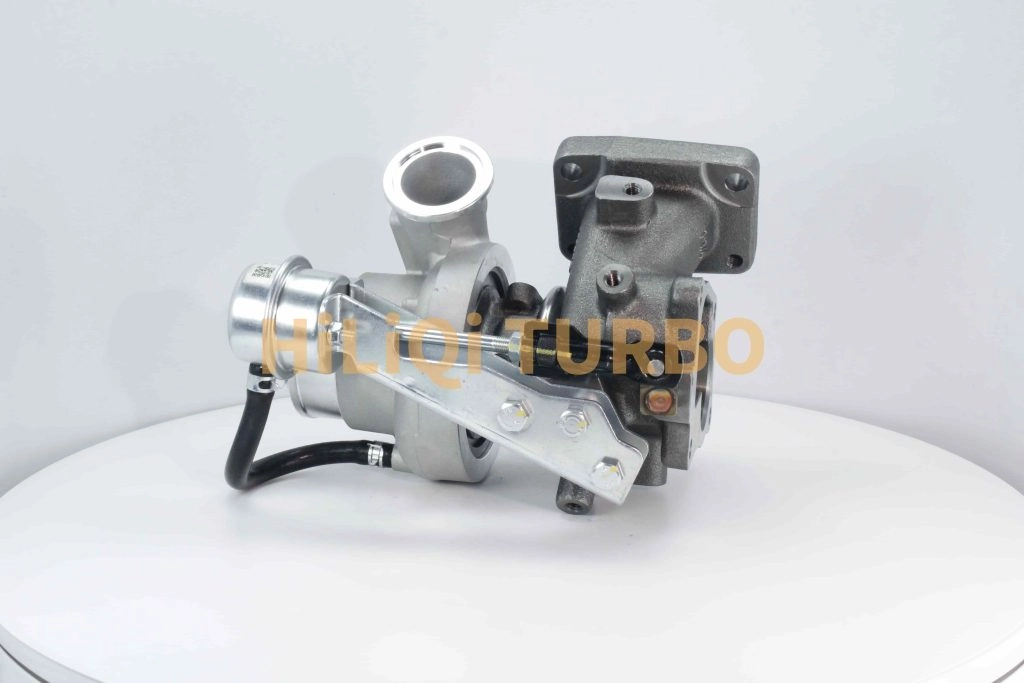
When you want a dependable partner that mixes OE-grade build with fair prices, HILIQI stands tall. They started back in 2005. That gives them over twenty years focused on turbochargers. They hold more than 35 patented advances. The whole shop runs under strict IATF16949 rules.
Their team uses sharp tools—3D scanners, five-axis CNC machines, advanced simulation software. Every piece gets tight tolerances. Materials come strong: K418 turbine wheels that resist heat and wear far better than older alloys. Bearings handle corrosion and stay precise thanks to high-end CNC work.
Assembly lines track everything. Multiple inspection stops catch issues early. Units face high-speed balancing. Seal tests. Full performance runs on dedicated rigs that mimic real loads. The proof sits in the numbers—very low returns and trust from buyers across more than 70 countries.
HILIQI turbos fit right in for trucks, gensets, construction gear, and industrial engines. They deliver what careful fleet managers need most: solid engineering that lasts, easy compatibility, and pricing that makes sense. It’s not about the lowest bid. It’s about smart, long-haul value backed by real know-how.
Conclusion
Rolling into 2026 doesn’t mean bigger spending or bigger stress. Put quality first. Demand real testing. Look for proven toughness. Fleet managers can pick aftermarket turbo options that guard performance and protect the bottom line. The smart path lowers risk. It stretches every dollar. It keeps your fleet strong and moving. Check the options closely. Crunch your own numbers. You’ll find the way to better replacements looks clearer than before.
FAQs
What exactly is an aftermarket turbo, and why should heavy-duty fleets consider one?
It’s a well-made replacement built to meet or beat original specs. Fleets like them because they bring the same boost and fuel savings at lower cost. That helps keep maintenance spending under control while rigs stay on the job.
How does experience and innovation make a difference in aftermarket turbo reliability?
Twenty-plus years plus dozens of patents lead to smarter designs. Better alloys. Tighter builds. That cuts vibration problems, boosts heat handling, and stretches life—perfect for avoiding breakdowns during busy runs.
Can switching to a quality aftermarket turbo really save money without increasing risk?
Absolutely. You save on the initial buy and on less downtime. When the turbo clears the same tough clearance, balance, and fatigue checks as premium ones, you get lasting strength at much better value.
What testing should I expect from a top-tier aftermarket turbo supplier?
Expect high-speed balancing, clearances measured to 0.001 mm, full seal checks, and complete runs on test rigs. These steps spot trouble early and prove the unit can take heavy punishment.
How do I get started evaluating aftermarket turbo options for my fleet?
Begin with your exact setup—truck, generator, or heavy equipment. Confirm drop-in fit and strong certifications like IATF16949. Contact makers like HILIQI for detailed specs and real-user stories. Many provide samples or clear fit guides to ease the change.