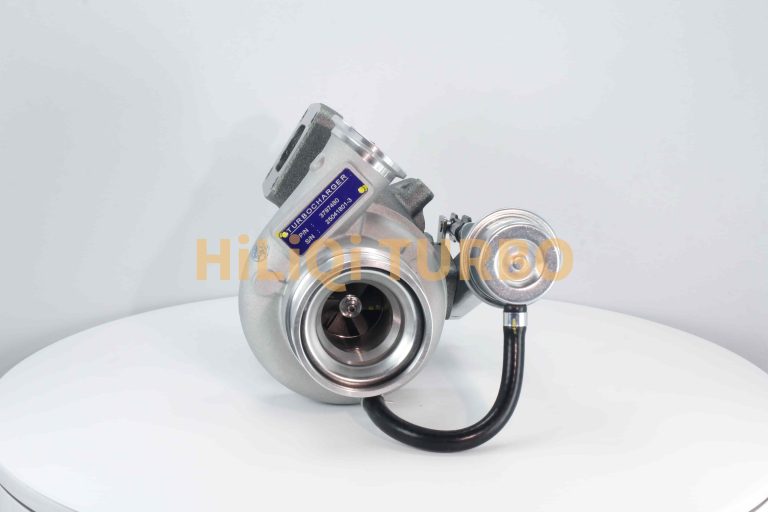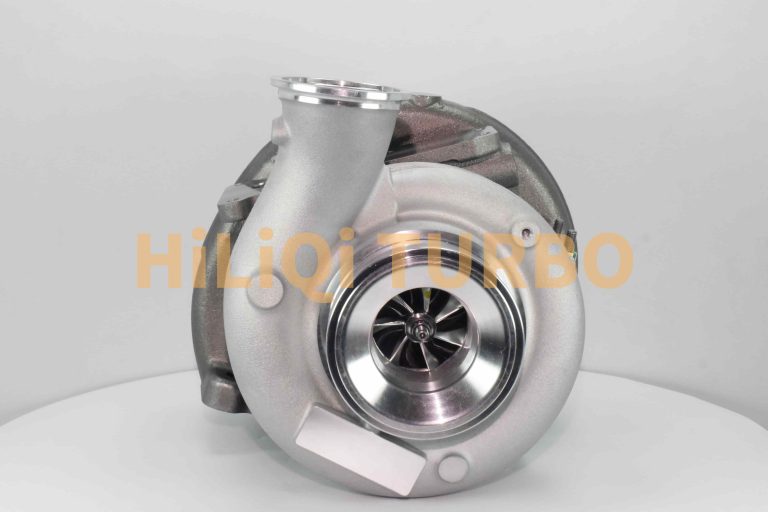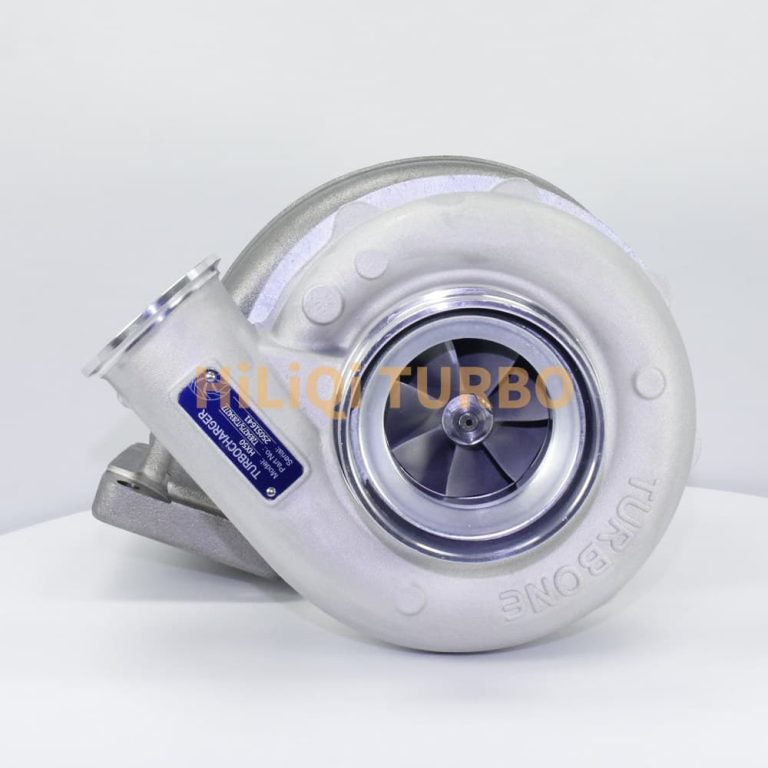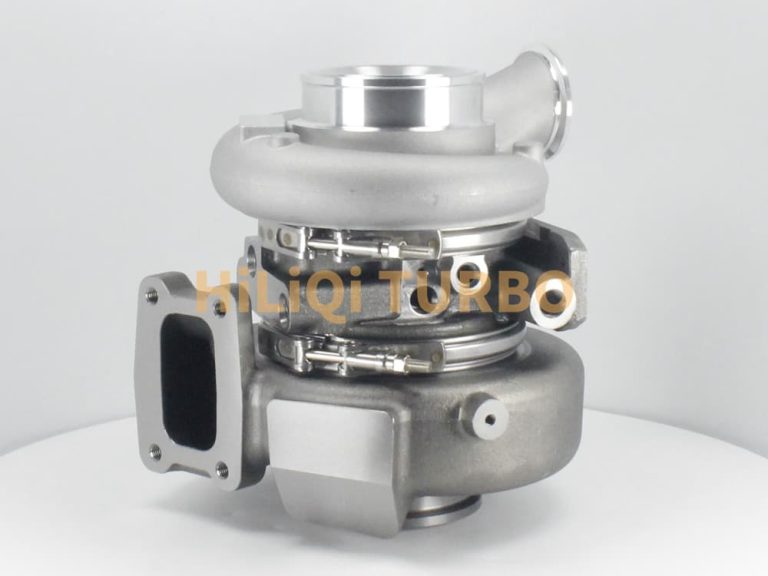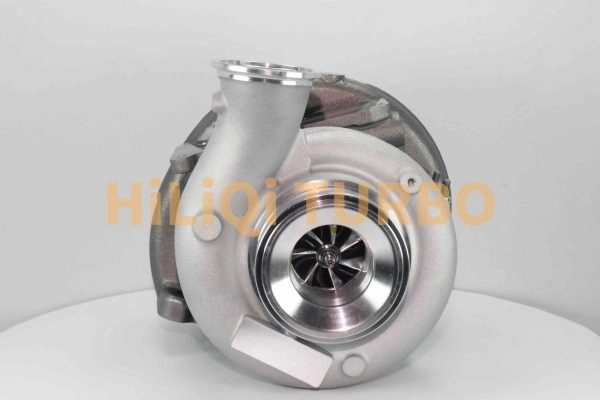
Running your own rig means every mile counts. Fuel. Tires. Maintenance. Downtime. They all eat into what hits your pocket at the end of the month. When that turbo starts whining or loses boost, the decision hits hard: shell out for a fresh OEM piece, grab a reman from the shelf, or look at a solid new aftermarket turbo? In 2026, with diesel prices stubborn and loads tighter than ever, plenty of independent truckers and small fleet owners are running the numbers closer. This breakdown looks straight at total cost of ownership—real dollars per mile—between a quality new aftermarket turbo and a typical remanufactured unit.
No fluff. Just the kind of math that matters when you’re the one paying the bills.
The Real-World Choice Most Owner-Operators Face
You’re hauling cross-country or pulling local heavy stuff. The turbo gives up around 220,000 miles. Shop calls it. Options pop up fast.
- Reman unit: Usually pulled from a core, cleaned up, maybe new bearings or seals thrown in. Costs less upfront. Looks tempting on paper.
- New aftermarket turbo: Built fresh from the ground up. Precision parts. Modern tolerances. Often matches or beats factory specs in key areas.
The upfront difference might be a few hundred bucks. But over the next 150,000–250,000 miles? That’s where the story changes. Remans carry hidden risks—shorter life, surprise failures, extra shop time. A well-made new aftermarket piece tends to deliver steadier performance and fewer headaches.
Breaking Down the Cost-Per-Mile Math
Let’s put rough but realistic numbers on the table. These draw from what owner-operators report in forums, shop tickets, and typical heavy-duty cycles in 2025–2026.
Assume a common Cummins-powered rig (think ISD or similar workhorse engine). Average annual miles: 110,000. Turbo replacement interval goal: 200,000+ miles.
| Factor | Remanufactured Unit | New Precision Aftermarket Turbo |
| Upfront cost (approx. 2026) | $1,200 – $1,600 | $1,800 – $2,300 |
| Expected service life | 80,000 – 140,000 miles | 180,000 – 250,000+ miles |
| Average miles before failure | ~110,000 miles | ~220,000 miles |
| Labor/install (each event) | $400 – $600 | $400 – $600 |
| Road call/tow risk per failure | $800 – $2,000+ | Much lower |
| Extra fuel from weak boost | 0.3–0.6 mpg loss possible | Minimal loss |
| Cost per mile (over 200k mi) | ~$0.018 – $0.025 | ~$0.012 – $0.015 |
How it shakes out: A reman might save $600–800 at install. But if it quits 100,000 miles early, you’re back in the shop sooner—another labor bill, possible tow, lost revenue from a day or two off the road. Add marginal efficiency drop from uneven boost or oil leaks. Suddenly that “cheap” option costs more per mile.
One guy running flatbed out of the Midwest swapped to a new aftermarket unit last year. Previous remans averaged 98,000 miles. The fresh one just passed 210,000 with no drama. Fuel stayed steady. No surprise downtime. He figures the switch paid for itself inside 14 months.
Why Remans Carry More Uncertainty
Reman units start life as someone else’s worn-out turbo. Core gets torn down. Parts get inspected. Some get reused—housing, maybe the shaft if it passes. New seals, bearings, cartridge often go in. Sounds good.
But variables stack up:
- Original wear patterns differ wildly. One core ran hot. Another idled forever. Hidden fatigue doesn’t always show.
- Rebuild standards vary shop to shop. Some nail it. Others cut corners on balance or clearance.
- No full traceability. You can’t always know the history of every component.
- Shorter warranties common—often 12 months vs. longer on new units.
Real talk from the road: Plenty of drivers tell stories of a “fresh” reman failing at the worst time—middle of nowhere, winter storm, big load. Lost pay. Hotel bills. Frustration.
What Sets a Strong New Aftermarket Turbo Apart
A top-shelf new aftermarket turbo gets built clean. No reused mystery parts. Fresh everything—wheel, housing, bearings, actuator.
Key things that make a difference:
- High-grade materials from the start. Think K418 (or similar high-temp alloys) turbine wheels that shrug off 900°C exhaust without warping. Better than cheaper stuff that softens or cracks early.
- Tight tolerances and precision work. Clearances measured to 0.0001 mm. High-speed VSR balancing on compressor and turbine to kill vibration before it starts.
- Full testing lineup. Dynamic balance checks. Sealability runs. Actuator timing down to milliseconds. Performance rigs that mimic real engine loads—boost response, oil consumption, leaks.
- Traceable assembly. Every step logged. Raw material to final box.
These steps add up to longer life and steadier output. Boost comes on quick. Holds strong under load. Fuel economy doesn’t slip. Less oil sneaking past seals. Fewer comebacks.
Discovering HILIQI: A Trusted and Experienced Aftermarket Brand for Precision Engineered Turbochargers
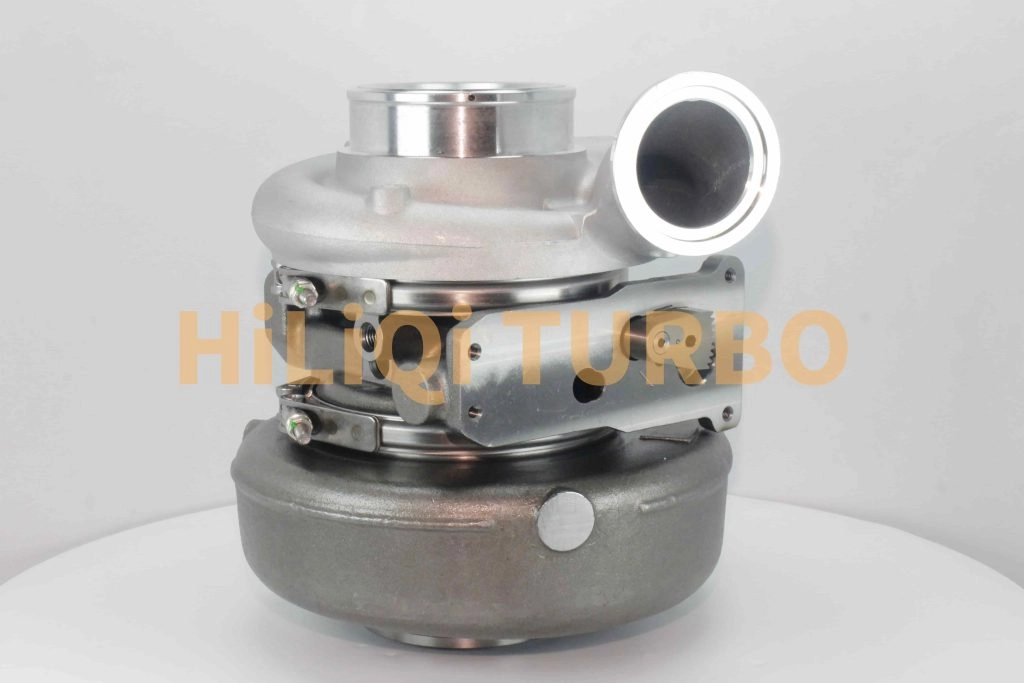
For owner-operators hunting that reliable new-unit feel without the dealer price tag, HILIQI stands out as a solid pick. Started back in 2005 in Beijing, they’ve built twenty-plus years doing nothing but turbochargers. Over 35 patents show they’re not just copying—they’re improving.
Everything happens in an IATF16949-certified shop. That means strict automotive-grade quality controls. They run advanced gear: five-axis CNC for tight blade work, UK-imported high-speed balancing machines, three-coordinate measuring tools accurate to tiny fractions. Materials? Strong stuff—K418 turbine wheels for heat resistance, chrome-moly axles, corrosion-tough bearings.
Assembly lines track every part. Multiple inspection stops. Full performance testing on dedicated rigs. Low warranty returns tell the story—operators in more than 70 countries count on these for Cummins trucks, gensets, heavy equipment. Drop-in fit. No mods needed. They match factory torque and efficiency curves while keeping costs realistic.
It’s straightforward engineering that lasts. No shortcuts. Just dependable boost when you need it most.
Conclusion
At the end of the day, 2026 is about running smart. Owner-operators can’t afford guesswork on critical parts like the turbo. Remans tempt with lower sticker prices, but the math on total cost per mile—factoring life span, downtime risk, and efficiency—often tips toward a quality new aftermarket turbo. Fewer shop visits. Steadier performance. More predictable cash flow. Pick a proven maker that builds fresh with real precision, and you set yourself up for miles that actually pay. Run the numbers for your own setup. The smarter play usually shows itself pretty quick.
FAQs
What’s the main difference between an aftermarket turbo and a remanufactured one?
An aftermarket turbo like the ones from trusted makers gets built brand new with fresh components and tight modern specs. A reman starts as a used core, gets rebuilt with a mix of old and new parts. New units usually last longer and run more consistently.
How much can I really save per mile going with a quality aftermarket turbo over a reman?
Real-world figures show a difference of about half a cent to a full cent per mile over 200,000 miles. That comes from longer intervals between replacements, less downtime, and steadier fuel economy—no weak boost dragging your mpg down.
Do new aftermarket turbos really match OEM performance without the high price?
Many do—especially from experienced builders. They copy factory blueprints closely, use strong materials, and test hard. You get similar spool-up, power delivery, and efficiency at a better price point for independents.
What signs show a reman might fail sooner than a new aftermarket turbo?
Watch for uneven boost, unusual noise early on, or small oil leaks. Remans can hide old fatigue or inconsistent rebuild quality. New precision units tend to stay quiet and clean much longer under the same loads.
How do I pick a reliable aftermarket turbo for my Cummins rig?
Look for IATF16949 certification, detailed testing info (high-speed balance, clearance checks), strong materials like high-temp turbine alloys, and good fit guarantees. Brands with long track records and global users usually deliver the steadiness you need on long hauls.