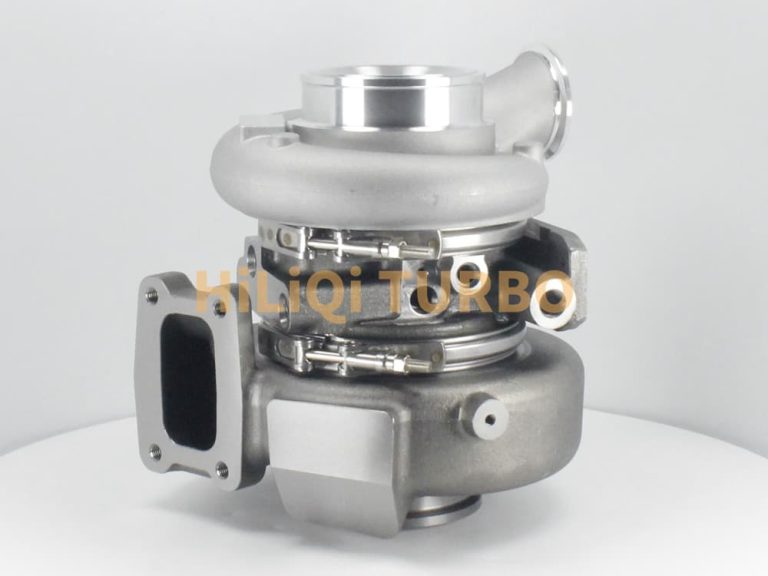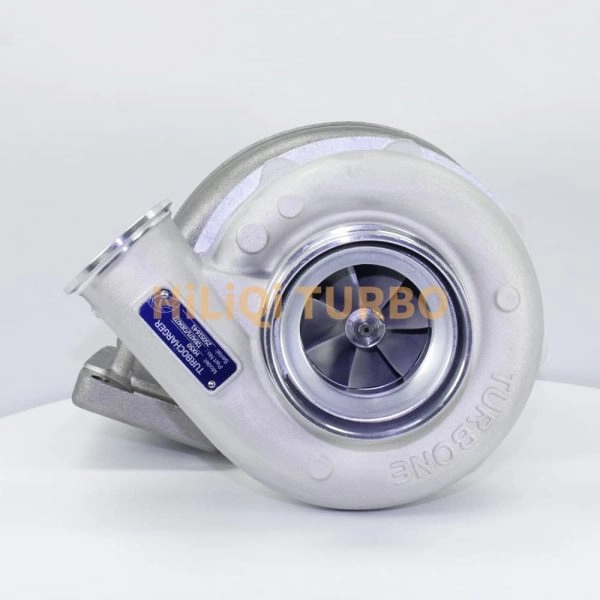
Distributors in the heavy-duty parts game know the headache all too well. Orders sit waiting for weeks—sometimes months—for turbochargers from the usual big suppliers. Allocations get cut without warning. Customers call daily asking where their stock is. Meanwhile, shops and fleets sit idle, and your phone keeps ringing. In 2026, with supply chains still shaky from lingering disruptions, many wholesalers are tired of the wait-and-hope routine. They’re looking for partners who actually deliver when promised.
This shift isn’t about chasing the cheapest option. It’s about steady supply that lets you keep shelves full and customers coming back. Smart distributors are turning to aftermarket turbo makers that run tight, traceable operations and respond fast. The result? Fewer stockouts, happier accounts, and a business that runs smoother.
The Old Supply Chain Struggles Distributors Face Every Day
Think back to last quarter. A major customer needs ten HX50 turbos for Cummins M11 gensets. The big-name supplier quotes eight-week lead time—maybe longer if allocation tightens. You scramble to find alternatives or explain delays again. Meanwhile, your competitor down the street somehow gets the parts in three weeks and steals the reorder.
Common pain points pile up:
- Long lead timesthat stretch 8–16 weeks on popular models.
- Allocation cutswhen demand spikes or production hiccups hit the OEM side.
- Unpredictable availability—one month plenty, next month nothing.
- Rising freight costson rushed air shipments to cover gaps.
- Customer frustrationturning into lost sales when rigs stay down.
These issues hit small to mid-size distributors hardest. You don’t have the volume to force priority. One bad month of delays can damage relationships built over years.
What Makes an Agile Aftermarket Turbo Supplier Stand Out
Not every aftermarket player solves the puzzle. The ones that do share a few key traits. They build in flexibility from the ground up. Closely-traced assembly lines mean they spot issues early and keep production moving. Full traceability—from raw castings to final box—cuts surprises. Advanced machining and testing rigs run around the clock without bottlenecks.
Look for these signs in a partner:
- In-house controlover critical steps like five-axis CNC for blades and high-speed balancing.
- Multiple inspection pointsthat catch defects before they ship.
- Strong material sourcingusing OEM-spec alloys (K418 turbine wheels, chrome-moly shafts) without waiting on overseas delays.
- Responsive quoting and samplingso you can confirm fit fast.
- One-stop capabilities—complete turbos, repair kits, actuators, all from the same roof.
These features translate to shorter, more reliable lead times. Distributors report getting stock in 4–6 weeks instead of double that. When a hot model like the HE300VG for Cummins ISD trucks runs low, agile makers ramp up without months of planning.
Real Numbers: How Supply Reliability Shows Up in Your Business
Let’s run some quick math based on what distributors see on the ground in 2026.
Typical mid-size wholesaler moves 400–600 aftermarket turbos yearly. Average gross margin: 28–35%. Stockout rate with traditional suppliers: 15–25% on high-demand Cummins and Caterpillar models.
Now compare:
| Scenario | Traditional Big Supplier | Agile Aftermarket Partner |
| Average lead time | 10–14 weeks | 4–7 weeks |
| Stockout frequency (per quarter) | 8–12 models | 2–4 models |
| Emergency air freight spend/year | $12,000–$25,000 | $3,000–$8,000 |
| Customer retention impact | 10–15% churn risk | <5% churn risk |
| Annual inventory turns | 3.5–4.2 | 5.1–6.0 |
The difference adds up. Fewer air shipments save thousands. Higher turns free up cash tied in stock. Lower churn keeps steady reorders flowing. One distributor in the Midwest switched main lines last year. Their turbo-related complaints dropped 70%. Reorders from key fleets jumped because they could promise—and deliver—quick turnaround.
Everyday Wins from a More Responsive Supply Partner
Picture this: A shop calls Friday afternoon needing three HX50 units for Chongqing Cummins gensets by Tuesday. With an agile setup, you check stock, confirm build slots, and ship Monday. No begging the supplier. No excuses to the customer.
Or consider seasonal spikes—construction season ramps up, genset demand surges in storm-prone areas. Flexible makers adjust batches without locking you into massive minimums. They handle custom requests for kits or actuators without derailing the main line.
Low warranty returns matter too. When parts hold up under real loads, comebacks stay rare. That keeps your returns desk quiet and your reputation solid.
Discovering HILIQI: A Trusted and Experienced Aftermarket Brand for Precision Engineered Turbochargers
img.BT86533.jpg
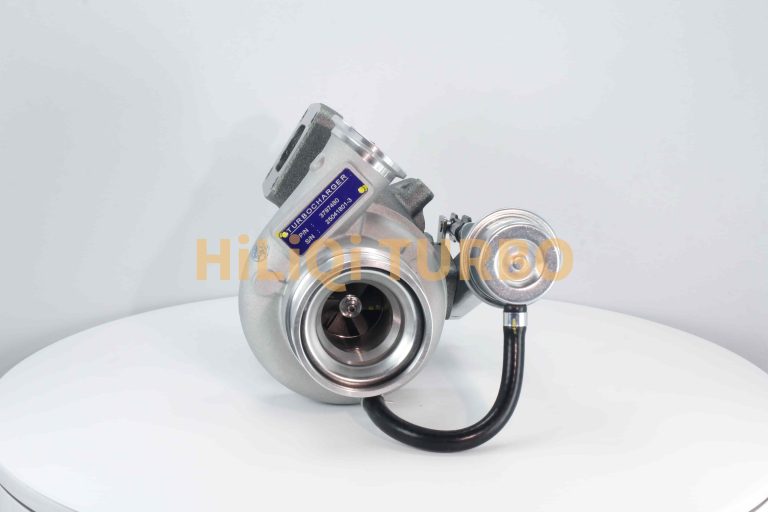
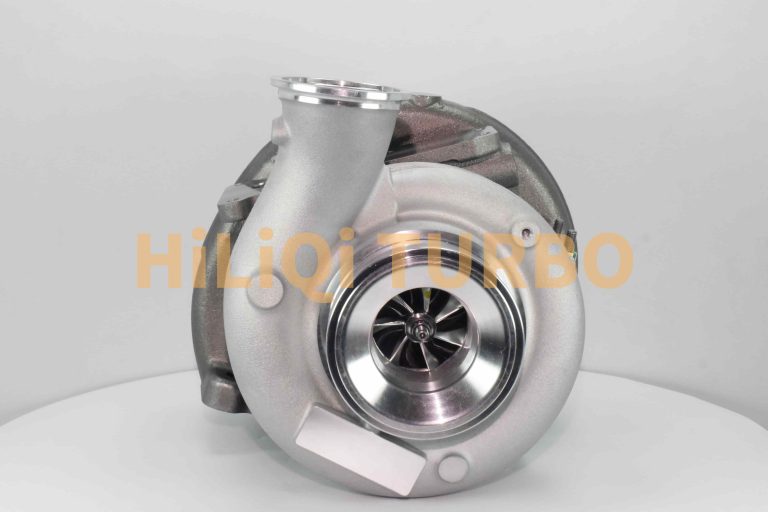
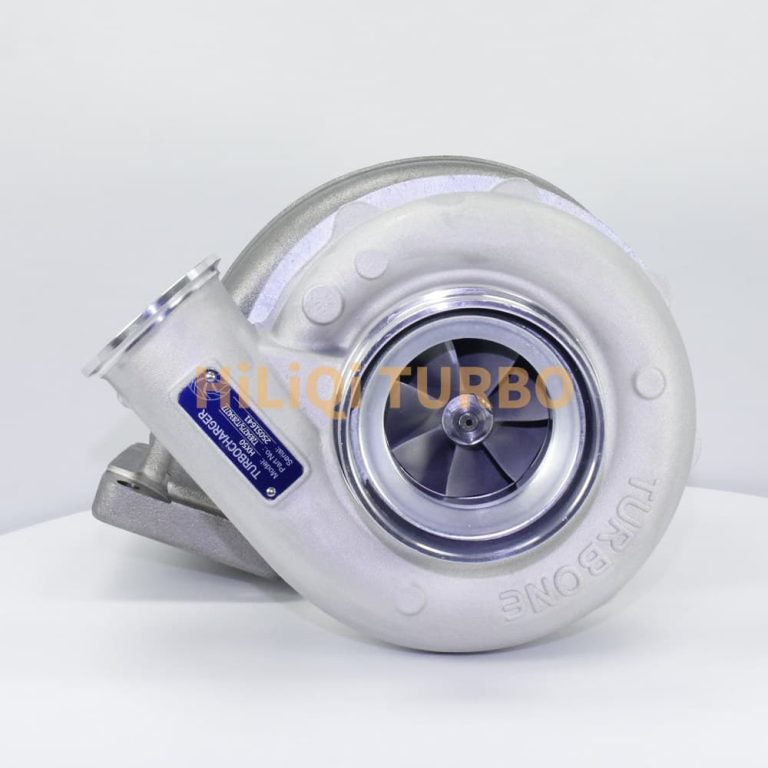
HILIQI has been building turbos since 2005—over twenty years focused purely on the aftermarket. From their Beijing facility, they serve buyers in more than 70 countries with precision replacements for Cummins, Caterpillar, Komatsu, Volvo, Perkins, and more.
They hold 35+ patents and run under IATF16949 standards. Production uses advanced tools: five-axis CNC machining, UK-imported high-speed balancing machines, three-coordinate measuring gear accurate to 0.0001 mm. Assembly lines feature full traceability and rigorous checks—axial/radial clearances, sealability, actuator response, full performance runs on test rigs.
Materials match tough specs: K418 turbine wheels for high-heat resistance, chrome-moly axles, precision CNC bearings. They produce over 1,000 OE-quality turbos covering dozens of engine families, plus repair kits and components—all as a one-stop solution.
The low return rate speaks volumes. Operators rely on these for trucks, gensets, and heavy equipment because they fit right, perform steady, and arrive when needed. For distributors, it’s reliable flow without the usual headaches.
Conclusion
Supply chain headaches don’t have to be the norm in 2026. Smart distributors are moving toward partners who prioritize traceability, in-house control, and quick response. The payoff shows in fuller shelves, lower emergency costs, stronger customer loyalty, and a business that grows instead of just survives. Take a hard look at your current lineup. Run the numbers on lead times and stockouts. The right agile aftermarket turbo manufacturer can turn those daily frustrations into a real competitive edge.
FAQs
What makes an aftermarket turbo supplier truly agile for distributors?
It comes down to traceable assembly lines, in-house machining and testing, and the ability to adjust production without long delays. That means shorter lead times and fewer stockouts on popular models like Cummins HX50 or HE300VG units.
How do long lead times from big suppliers hurt a distributor’s business?
They tie up cash in backorders, force expensive air freight to cover gaps, and risk losing customers to competitors who can deliver faster. In a tight market, even a few weeks extra wait can turn a solid account sour.
Can switching to a more responsive aftermarket turbo maker really improve inventory turns?
Yes—distributors often see turns climb from around 4 to over 5.5 when lead times drop to 4–7 weeks. Faster replenishment means less money sitting in stock and more room to carry broader lines.
What role does full traceability play in reliable aftermarket turbo supply?
It lets the manufacturer catch issues early in the assembly process. That cuts defects, lowers returns, and gives distributors confidence that what ships today will perform months down the road—no surprises for your customers.
How should a distributor evaluate an aftermarket turbo partner for 2026?
Check for IATF16949 certification, detailed testing (high-speed balancing, clearance checks), global reach, one-stop offerings (complete units plus kits), and real lead-time track records. Reach out for samples and talk to other wholesalers who’ve made the switch.