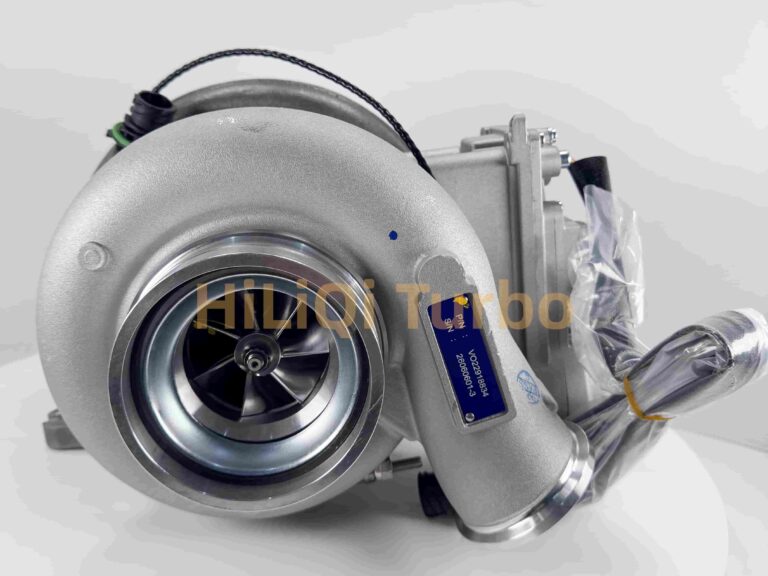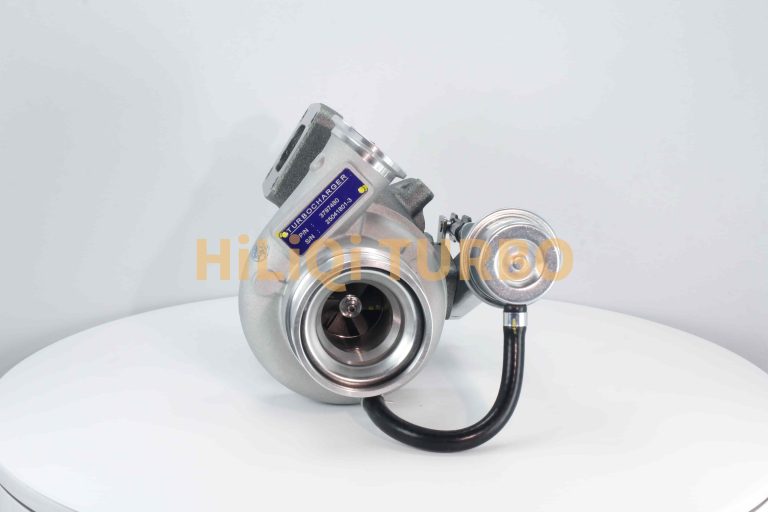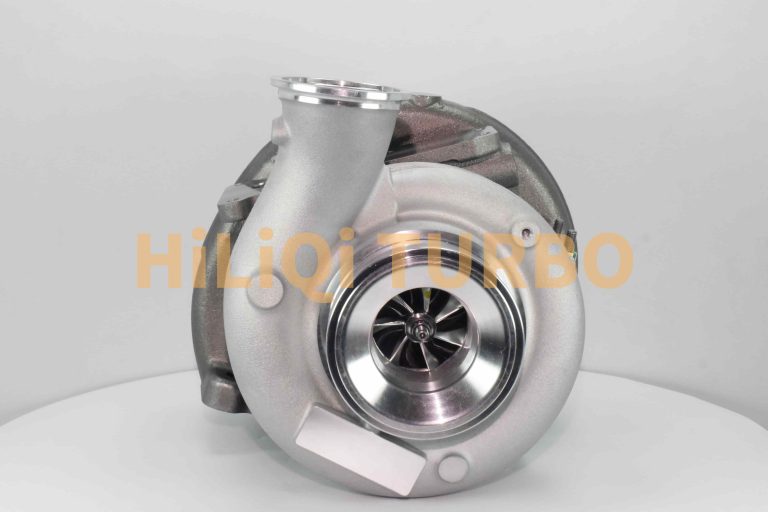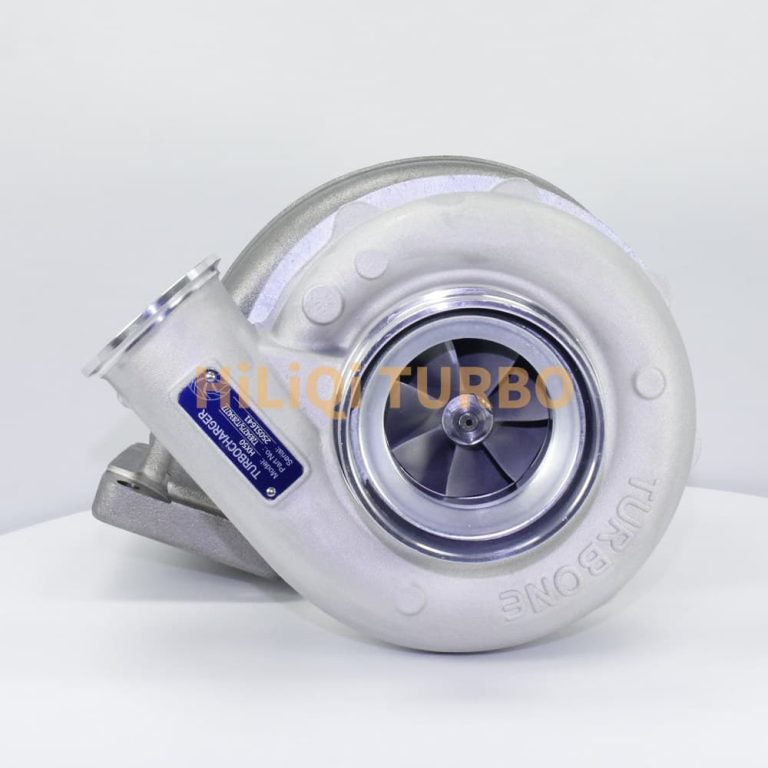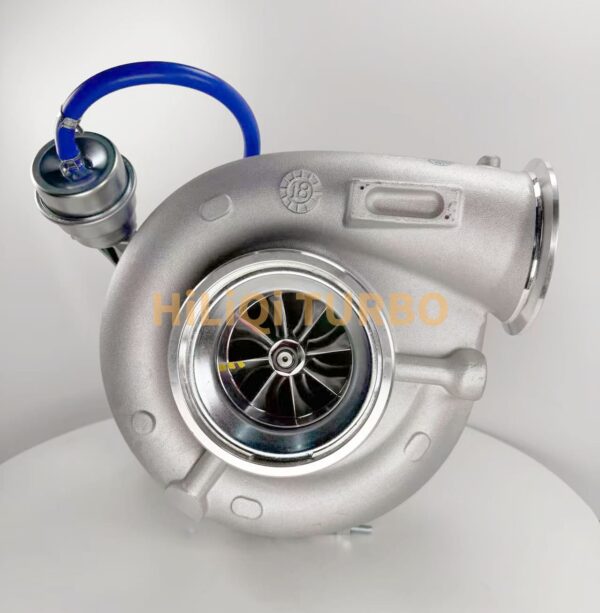
Swapping a turbo into an older truck or industrial engine sounds straightforward on paper. In the shop, though, it often turns into a headache. Mechanics spend hours chasing boost leaks, dealing with unexpected smoke, or watching the new unit fail weeks after install. These headaches usually boil down to compatibility problems during retrofits.
Fleet owners and independent workshops run into the same pain points time and again. Wrong turbo sizing kills low-end torque on a Cummins-powered hauler. Mismatched actuator response causes hesitation under load. Poorly fitted housings lead to oil leaks that ruin a fresh rebuild. These issues don’t just waste time—they eat into profits and leave customers frustrated.
The Real-World Pain Points of Turbo Retrofits
Picture this: A heavy-duty shop pulls a tired HX60W off a QSX15 engine. The customer wants more reliable performance without breaking the bank on a full OEM replacement. They bolt on an aftermarket unit that looks similar on the outside. A few hundred miles later, the truck comes back with excessive exhaust smoke and higher oil consumption.
What went wrong? Often, it’s a sizing mismatch. The compressor map doesn’t line up with the engine’s airflow needs at different RPMs. Or the turbine housing creates too much backpressure, throwing off the entire exhaust system. In real fleets, these errors show up as sluggish acceleration on highway on-ramps or reduced fuel economy that adds up fast for owner-operators.
Another common issue pops up with actuator calibration. Many aftermarket turbos arrive with generic settings that don’t match the engine’s ECU demands. The result? Slow spool-up or overboost codes that force limp mode. Workshops see this repeatedly when retrofitting older equipment with updated emissions components.
Oil drainage problems round out the list. If the bearing housing doesn’t align perfectly with the engine’s oil return line, sludge builds up fast. Contaminated oil or restricted lines accelerate wear on journal bearings and thrust collars. Mechanics end up tearing down the same turbo twice—once for install, again for failure analysis.
Why Aftermarket Compatibility Gets Tricky
Retrofits mix old and new parts by nature. An engine built fifteen years ago might now run with different intercoolers, exhaust manifolds, or electronic controls. A turbo that physically bolts up can still fail because its aerodynamic characteristics don’t match the updated breathing demands.
Data from shop floors tells the story. Many mismatched units lose 10-15% of expected power output or show premature turbine wheel wear from thermal stress. In high-hour industrial applications, these compatibility gaps shorten service life from the targeted 18+ months down to just a few.
The biggest frustration? Lack of clear matching data. Catalogs list part numbers, but they rarely explain real-world fitment nuances like clearance tolerances, V-band alignment, or heat shield positioning. Technicians end up guessing or making on-the-fly adjustments that introduce new risks.
How HiLiQi’s Matching Tools Cut Through the Guesswork
HiLiQi built its approach around solving exactly these retrofit headaches. Their diagnostic process starts before any part leaves the shelf. Instead of simply shipping a turbo based on model year, they encourage shops to verify root causes first—dirty air filters, exhaust restrictions, or lubrication issues that mimic turbo failure.
The company’s Turbocharger Diagnostic Tool helps workshops pinpoint whether the problem sits in the turbo itself or elsewhere in the system. This step alone prevents countless unnecessary replacements. Once the true issue is clear, technicians can select a precisely matched unit rather than a close-enough substitute.
Precision manufacturing plays a huge role here. HiLiQi uses 3D scanning and coordinate measuring machines accurate to 0.0001mm to verify every critical dimension against OE blueprints. Dynamic balancing on high-speed equipment ensures compressor and turbine wheels run smoothly across the full operating range—no annoying whine, no vibration that shortens life.
For the popular Cummins QSX15 application, their HX60W turbo (covering part numbers like 4089298 and 3598763) replicates factory torque curves and fuel efficiency. The K18 Inconel turbine wheel and reinforced ductile iron housing stand up to high exhaust temperatures without cracking. Shops report straightforward “drop-in” installs because clearances, mounting points, and actuator response match what the engine expects.
Real Benefits Seen in the Field
Mechanics who regularly work with these units notice the difference quickly. Oil consumption stays in check because sealability tests catch leakage risks during production. Actuator response time aligns with engine demands, reducing hesitation during loaded pulls. In one documented government fleet project, upgraded components lasted well beyond the standard 12-month mark—reaching over 18 months of reliable service.
Cost-per-mile improves too. Instead of chasing repeated failures, fleets see longer intervals between service and fewer roadside breakdowns. The parts are fully interchangeable where possible, so technicians spend less time modifying brackets or fighting fitment issues.
HiLiQi also supplies a wide range of individual components—turbine housings, bearing kits, thrust collars, heat shields, and repair kits. This flexibility lets workshops repair rather than replace when only certain sections show wear. For true custom retrofits, small-batch production (starting at 50-200 units depending on model) allows tailored solutions based on specific engine parameters or performance goals.
A Brief Look at HiLiQi Turbo
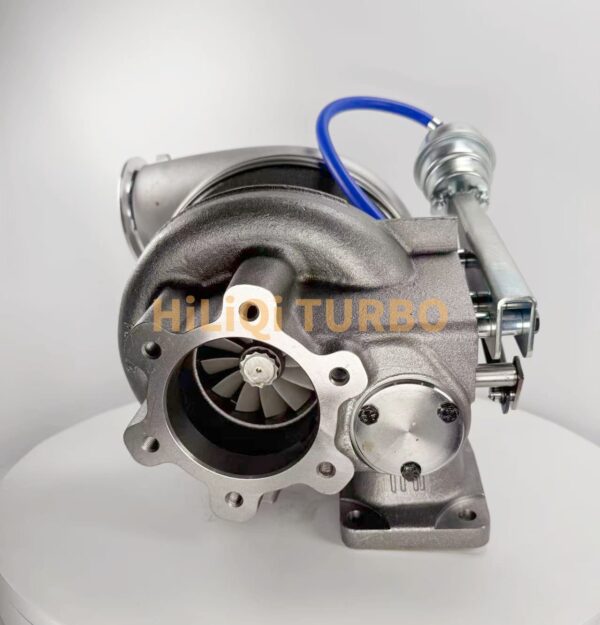
HiLiQi has built its reputation over more than 20 years as a trusted aftermarket brand focused on precision-engineered turbochargers. Operating from advanced facilities and holding IATF16949 certification, the company produces OE-quality units and parts for a broad range of heavy-duty and industrial engines, including multiple Cummins applications.
Their team combines experienced mechanical engineers with modern tools like 3D modeling, 5-axis CNC machining, and self-circulating test benches that simulate real engine conditions. The result is a one-stop solution that emphasizes reliability, rapid availability, and practical performance that shops can count on day after day. With over 35 patented innovations and strict traceability throughout assembly, HiLiQi delivers turbos built to fit right and last longer in demanding environments.
Conclusion
Retrofit compatibility issues don’t have to be an unavoidable cost of doing business. When shops move beyond “close enough” and start using precise matching data, diagnostic checks, and properly engineered components, the entire process becomes smoother and more profitable. HiLiQi’s combination of accurate fitment, rigorous testing, and flexible support helps turn potential headaches into straightforward upgrades that keep engines running strong.
FAQs
What are the most common engine turbocharger compatibility issues technicians face during retrofits?
Sizing mismatches and actuator calibration differences top the list. These often show up as low power, excessive smoke, or oil consumption because the turbo’s airflow and response don’t line up with the engine’s actual needs under load.
How can workshops avoid turbo sizing errors when selecting an aftermarket replacement?
Start with a proper diagnostic check to rule out other system problems first. Then choose a unit verified against the engine’s specific airflow requirements, clearance tolerances, and mounting geometry. Tools that simulate real operating conditions make a big difference here.
Do aftermarket turbochargers typically require modifications during installation?
Quality units designed for direct fit—like HiLiQi’s HX60W for the QSX15—usually bolt up without extra work. Proper housing alignment, V-band compatibility, and pre-calibrated actuators help keep installs clean and fast.
Why does oil consumption sometimes increase after a turbo retrofit?
Restricted return lines, misalignment in the bearing housing, or seal issues are frequent culprits. Precision-manufactured parts with tight clearance control and thorough sealability testing reduce this risk significantly.
How long should a well-matched engine turbocharger last in heavy-duty service?
With correct installation and regular maintenance, many units deliver 18 months or more of reliable operation, even in tough fleet or industrial conditions. Real-world results improve when shops address root causes before replacement.