When you manage a fleet of big rigs, heavy equipment, or industrial generators, that low price tag on a replacement turbo can sure look attractive. A dirt-cheap aftermarket unit might save you a few hundred bucks—or maybe even a grand or two—right away. But most folks in the field eventually figure out the tough truth: the least expensive turbo frequently ends up being the priciest choice in the long run.
We’re really talking about aftermarket turbocharger total cost of ownership (TCO). TCO goes way beyond the initial part cost. It pulls in every expense that follows: the labor to install it, the money lost while the machine sits dead, any drop in fuel economy, extra shop visits, and how quickly you face the same repair again. Sharp fleet operators and equipment buyers have mostly stepped away from the endless chase for the lowest bid. Instead, they hunt for real, lasting value. A tough, carefully built aftermarket turbo often brings lower overall costs. It cuts idle time, stretches the miles or hours between replacements, and helps the engine sip fuel more efficiently.
Let’s walk through it piece by piece. The actual dollars will start to make sense.
Why Upfront Price Alone Misleads Buyers
Imagine your Cummins-powered dump truck or genset suddenly loses power. The turbo quits. Now the driver’s parked, the job’s stalled, and late fees are already ticking. You’ve got to get rolling again—fast.
- A rock-bottom aftermarket turbo might cost $800–$1,200.
- A decent, OE-level aftermarket piece usually runs $1,800–$3,000.
- Straight-from-the-dealer OEM? You’re easily looking at $4,000–$6,000 or higher.
Most people’s first instinct is to snag the cheapest option. Yet stories from the field tell a different story. Those bargain turbos tend to give up early—often before the first year is up under real workloads.
You see the same problems pop up again and again:
- Oil seeping out because the seals aren’t tight enough
- Too much wobble on the shaft, so the wheels start scraping
- Overheating from weak turbine materials
- Shaking that chews up bearings or cracks housings
Every breakdown means more labor, maybe a tow bill, and serious lost income. Downtime hits hard in heavy-duty work. Plenty of operators say an unexpected stop can burn $800–$1,000 or more each day once you count missed hauls, driver pay, and recovery costs. In a 50-unit fleet, even a tiny 1% dip in uptime from repeated turbo trouble can wipe out tens of thousands of dollars over a year.
Breaking Down the True TCO Components
To figure out aftermarket turbocharger total cost of ownership, add up these pieces across the unit’s real working life:
- Initial Purchase Price— The obvious starting number.
- Installation & Labor— Often $500–$1,500, depending on the shop and the job.
- Downtime Costs— Hours or days the rig sits × your actual hourly or daily loss.
- Fuel Efficiency Impact— A sloppy turbo can cut fuel mileage by 5–10% from boost leaks or slow response.
- Maintenance & Related Repairs— Additional oil service, actuator swaps, or damage farther downstream.
- Replacement Frequency— How many times you buy and bolt on a new one over, say, five years.
- Resale or Residual Value— Reliable machines keep better value when it’s time to sell.
Here’s a straightforward side-by-side for a common Cummins QSB6.7 setup (you see these in generators, dozers, haul trucks, and more):
| Cost Element | Cheap Aftermarket (~$1,000) | Quality Aftermarket (~$2,500) | Expected Life (Heavy Duty) | Notes |
| Upfront Part + Labor | $1,800 | $3,200 | – | One-time |
| Average Downtime per Failure | 2–3 days @ $800/day | 0.5–1 day @ $800/day | – | Failures more frequent with cheap |
| Annual Fuel Penalty (5% loss) | +$1,200–$2,000 | Minimal | Per year | Efficiency drop compounds |
| Replacement Cycles (5 years) | 3–4 times | 1–2 times | – | Based on real fleet reports |
| Estimated 5-Year TCO | $12,000–$18,000+ | $6,000–$9,000 | – | Excludes major secondary damage |
The gap widens fast when one turbo keeps running strong. A solid unit that lasts 18–24 months (sometimes longer) versus one that dies at 8–10 months flips the entire equation.
Hidden Costs That Kill Budgets
Downtime isn’t just a line on a spreadsheet. One truck or machine parked can easily cost $500–$1,000 a day in missed work. Throw in a tow ($400–$800) and rush shipping for the next part, and a single weak turbo failure turns into a budget disaster.
Fuel losses creep in quietly too. A turbo with sloppy bearings or heavy carbon drag makes the engine labor harder. Drivers and fleet guys regularly notice half an MPG—or even a full MPG—vanishing. On high-hour routes, that adds thousands of dollars every year.
And don’t forget the chain reaction. Early failure puts stress on EGR valves, DPF systems, even engine internals. Repairing those extras sends the real TCO through the roof.
What Makes a Quality Aftermarket Turbo Worth the Extra Upfront?
Not every aftermarket turbo is the same. The better ones stand apart because of thoughtful engineering and stronger materials.
Pay attention to these details:
- Turbine wheels built from high-heat alloys (like K418) that shrug off 900°C exhaust without warping
- Rotating assemblies balanced on VSR machines so vibration stays low and bearings live longer
- Close tolerances on bearings and seals to stop oil from leaking
- Thorough testing—checking axial and radial play, running air-leak tests, and simulating full-load performance
Features like these add up. They deliver longer service stretches and far fewer surprise breakdowns.
HILIQI: A Trusted Name in Precision-Engineered Aftermarket Turbos
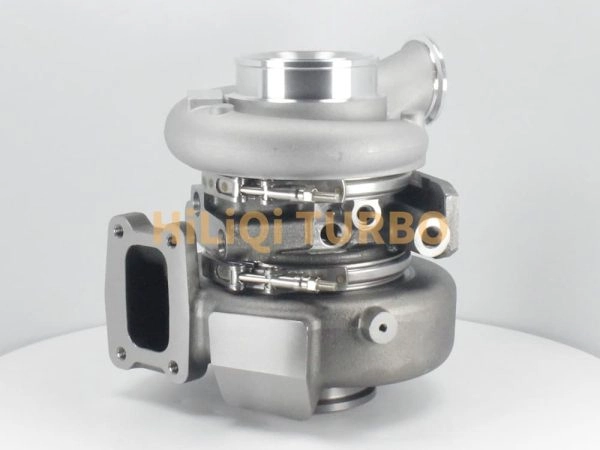
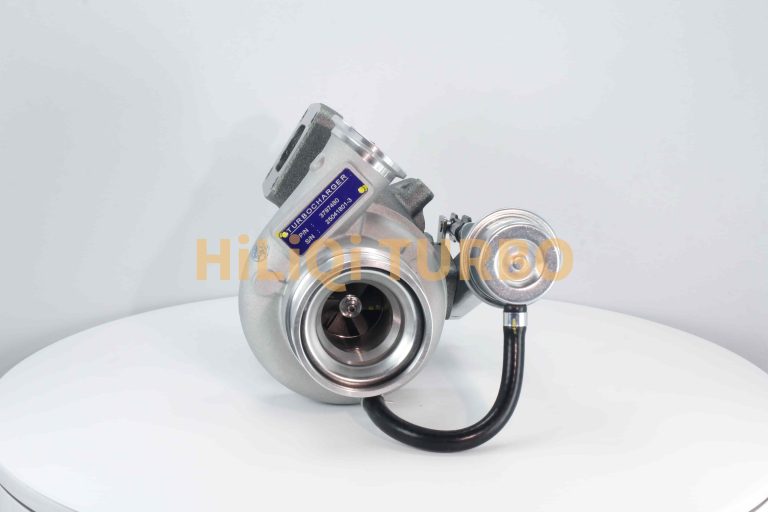
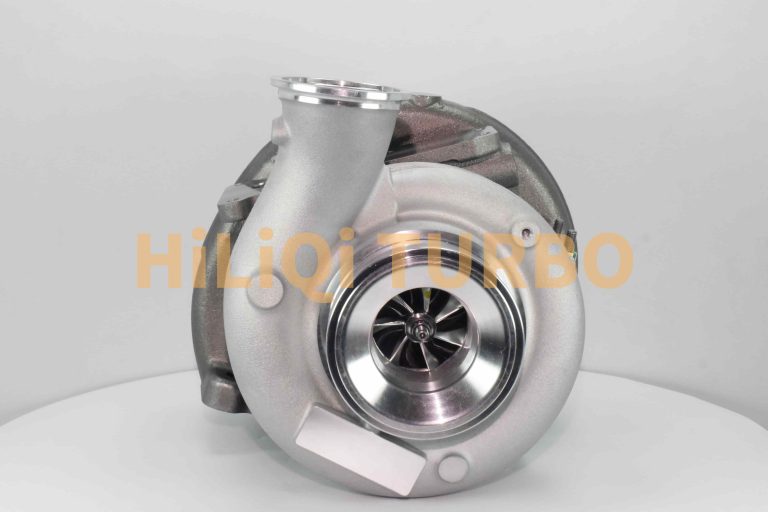
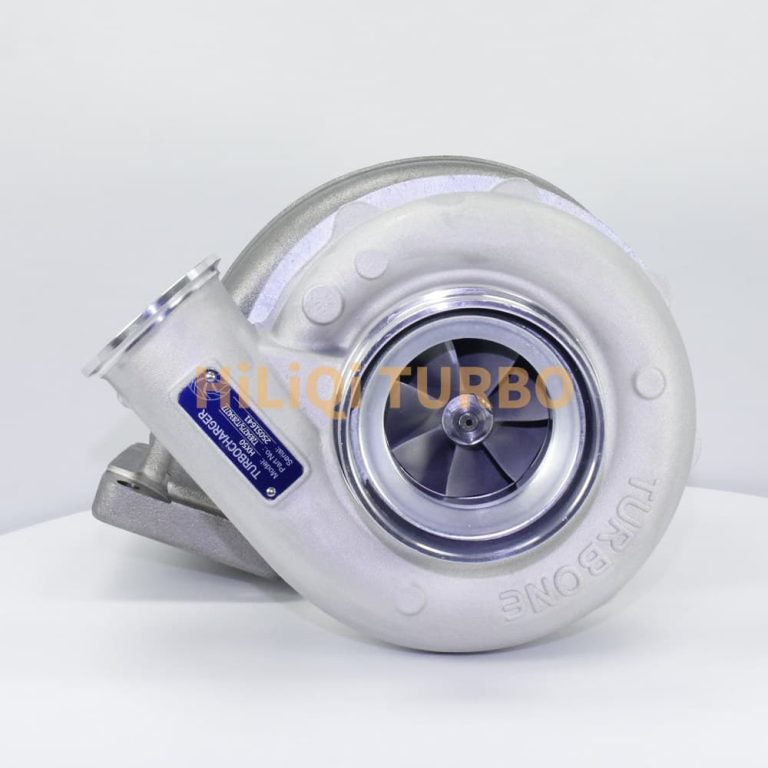
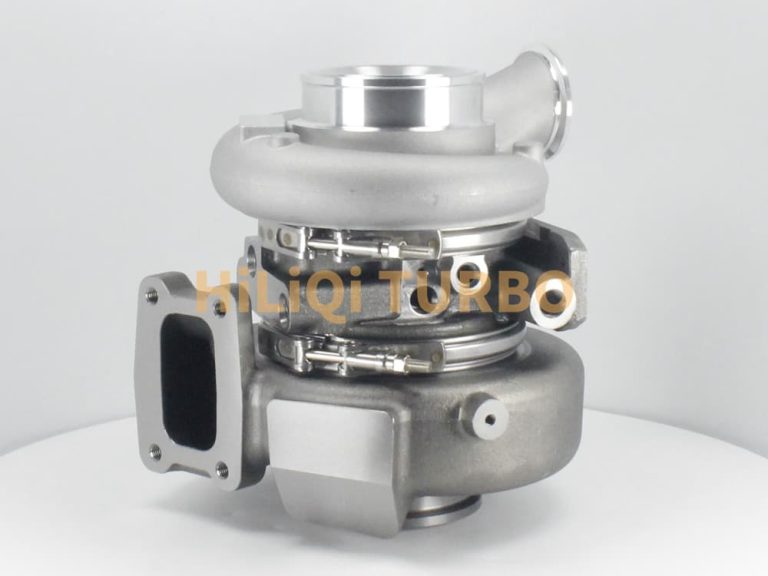
Before you make a choice, take a quick look at a brand that’s built a solid reputation over more than two decades. HILIQI Turbo focuses on precision-engineered turbochargers made to match OE performance. They started back in 2005 and now serve customers in over 70 countries. They use durable materials—think strong K418 turbine wheels and tight-spec bearings—paired with modern production methods (CNC machining, five-axis blade work, dynamic balancing) and strict checks (IATF16949 certified, very low warranty claims).
HILIQI covers key applications, including popular Cummins models such as the QSB6.7 HE300VG series. Their units drop in as direct replacements. They aim to bring back original power, hold up under punishing conditions, and help fleets keep machines running instead of sitting. With more than 35 patented improvements and a long history supporting tough industries, HILIQI has become a go-to option for people who want aftermarket prices without gambling on short life.
Conclusion
Grabbing the rock-bottom price on an aftermarket turbo feels good in the moment. But once you run the full numbers—lost uptime, wasted fuel, repeated labor, and shorter equipment life—the story changes. Aftermarket turbocharger total cost of ownership shows the whole picture, and it almost always points toward well-made units that last and perform steadily.
Smart operators in fleets and heavy industry have already moved that direction. They pick lasting value over the cheapest tag. Spending a bit more at the start on a carefully engineered turbo pays back through fewer headaches, higher availability, and lower total spend. When every running hour matters, that approach simply makes more sense.
FAQs
What exactly is aftermarket turbocharger total cost of ownership (TCO)?
Aftermarket turbocharger total cost of ownership covers the part price plus every follow-up cost: installation, lost production time, fuel economy hits, extra fixes, and how often you replace it. It shows the real expense over several years instead of just the starting number.
How much can downtime add to the TCO of a cheap turbo?
A lot. One failure can keep a truck or piece of equipment down for 2–3 days. At $800–$1,000+ per day in lost work and fees, those days pile up quickly. Multiple short-lived turbos make the total cost skyrocket compared with a dependable unit.
Does a quality aftermarket turbo really last longer than bargain options?
Yes. In tough, heavy-duty conditions, stronger materials and careful build quality often give 18–24 months or more versus 6–12 months for the cheapest ones. Longer intervals between replacements cut your overall spending.
Can switching to a better aftermarket turbo improve fuel efficiency?
Definitely. A turbo that holds proper boost and responds cleanly prevents MPG losses from leaks or sluggish spool. Many operators see noticeable fuel savings on machines that run long hours.
Is HILIQI a good choice for lowering aftermarket turbocharger total cost of ownership?
Plenty of fleet managers say yes. HILIQI builds their turbos with precision, solid materials, and strict testing. The focus stays on durability and correct fit. That helps reduce early failures, idle time, and repeat expenses while keeping the purchase price reasonable.