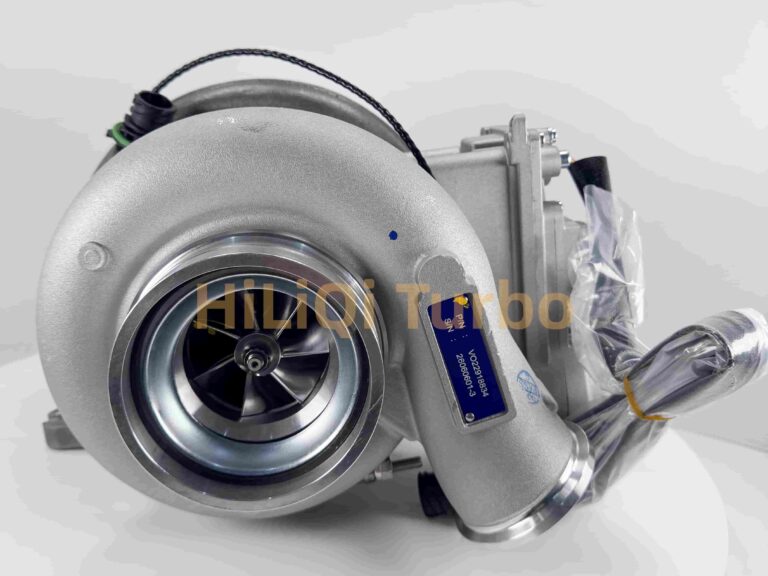
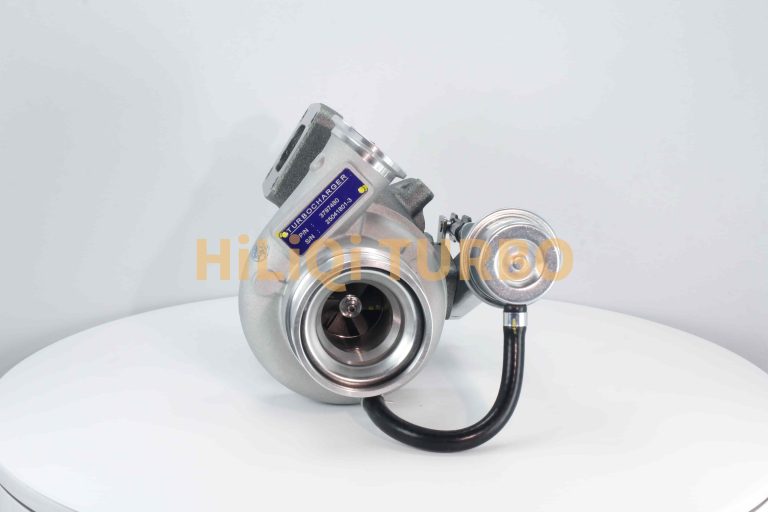
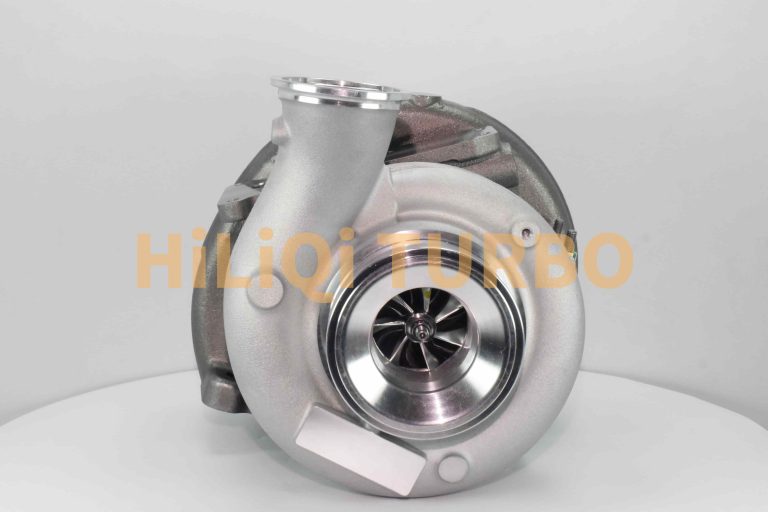
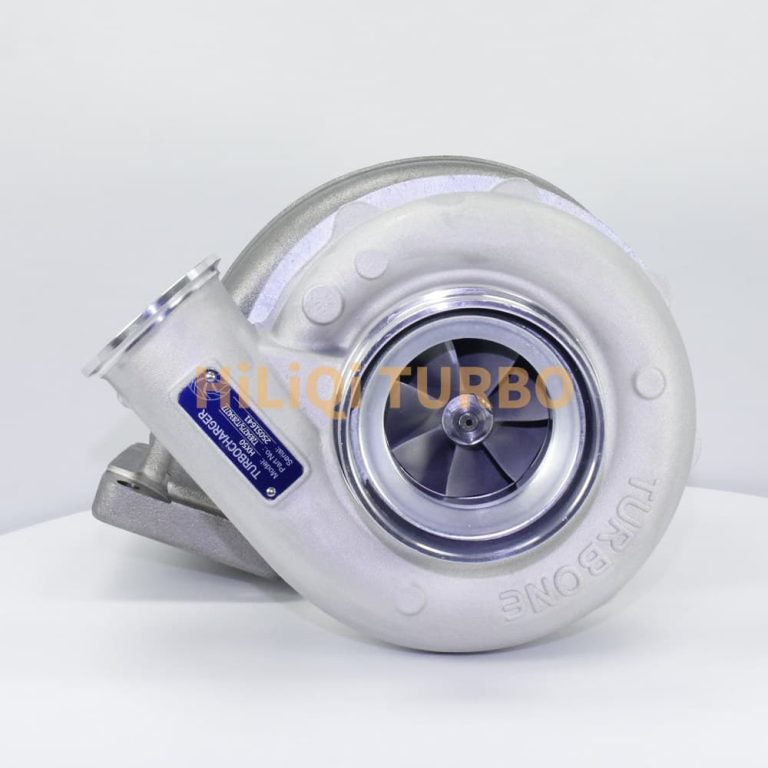
Caterpillar turbocharger applications are broad in scope, because a quarry truck, crawler tractor, excavator, generator set and marine engine are not loaded in the same manner. A replacement turbocharger must be selected to fit the engine configuration, air system, exhaust system, lubrication supply, control method and duty cycle.Similar housings or flange patterns do not prove interchangeability. The wrong unit may fit physically yet produce slow response, excessive exhaust temperature, oil leakage, smoke, overspeed, or repeated bearing damage. Buyers should identify the complete machine and engine configuration before comparing price or availability.
Why Is the Machine Application as Important as the Engine Model?
Heavy equipment engines often operate across related platforms, but their turbocharging requirements can differ because of rating, calibration, altitude package, emissions configuration, and installation space. A part selected from the engine family alone may miss an application-specific detail.
How Does the Duty Cycle Change Turbocharger Demand?
An excavator repeatedly moves between low load, rapid acceleration, and hydraulic demand. A loader sees frequent torque changes. A generator set may remain near a steady operating point for long periods. These patterns affect spool response, bearing temperature, turbine loading, and deposit formation.
A turbocharger suited to steady power generation may feel unresponsive in a machine that depends on fast transient torque. Conversely, a unit optimized for rapid response may not be appropriate for continuous high-load duty unless its flow capacity and thermal limits match the engine.
Which Identification Details Prevent Ordering Errors?
Begin with specifying the machine model, engine model, serial or arrangement number, current turbocharger identification number, and numbers on the center housing or actuator where applicable. Take photos of the compressor inlet, turbine outlet, oil ports, mounting flange, actuator, and associated pipework.
Do not attempt to identify a turbocharger based on appearance only.One housing family may use different compressor wheels, turbine wheels, nozzle assemblies, or actuator settings. Those internal differences determine airflow and boost behavior even when the outside dimensions appear nearly identical.
Which Turbocharger Design Should Match the Caterpillar Application?
Turbocharger selection involves more than choosing a complete assembly. The buyer needs to know whether the engine uses a fixed-geometry unit, wastegated design, variable-geometry system, or a specific air-management arrangement.
What Should Be Checked on the Compressor and Turbine Sides?
The compressor must supply the required air without operating too close to surge at low flow or choke at high flow. Wheel diameter, trim, housing geometry, and inlet condition all influence the usable range.
On the turbine side, housing size and nozzle geometry determine how much exhaust energy drives the shaft. A restrictive turbine may improve response but raise backpressure and exhaust temperature. A larger flow path may reduce restriction yet respond slowly at low engine speed. The correct balance depends on the original engine calibration and duty.
How Do Wastegates and Variable Geometry Affect Replacement Choice?
A wastegate controls boost by bypassing part of the exhaust flow. Its actuator pressure, rod length, preload, and opening behavior must match the intended setting. Adjusting the rod to solve an unrelated boost problem can create overboost or delayed control.
Variable-geometry turbochargers add movable vanes and an actuator system. Carbon buildup, vane wear, linkage resistance, sensor faults, and calibration errors can produce symptoms similar to a failed center housing. Replacing only the CHRA may not correct a sticking nozzle mechanism.
What Usually Causes Repeat Turbocharger Failure on Heavy Equipment?

A failed turbocharger is often the final component in a longer failure chain. Installing a replacement without correcting the original cause can damage the new unit quickly.
Which Oil and Air Problems Should Be Investigated First?
Restricted oil supply, contaminated oil, incorrect viscosity, delayed oil pressure, blocked drain lines, and excessive crankcase pressure can damage bearings or force oil past the sealing system. A clean-looking feed line may still contain carbon or internal restriction.
On the intake side, damaged filters, loose clamps, cracked hoses, and dust leakage erode compressor blades. Abrasive wear on blade tips or the housing usually points to dirty-air entry, not normal aging. The complete intake tract should be inspected before installation.
What Do Common Failure Patterns Suggest?
Heavy radial or axial shaft movement may be caused by bearing wear, oil starvation, contamination, or thrust overload. Blue smoke could be caused by turbocharger oil leakage, but it also could be caused by engine wear, drain restriction, or crankcase pressure. Black smoke and low boost could be caused by air leaks, fuel problems, exhaust restrictions, or actuator issues.
A broken turbine wheel may follow foreign-object impact, overspeed, or prolonged thermal stress. The useful diagnosis is not simply “the turbo failed,” but what operating condition produced the damage pattern.
How Should a Replacement Turbocharger Be Installed and Verified?
Good installation practice protects the replacement during its first minutes of operation, when dry bearings, trapped debris, or forgotten restrictions can cause immediate damage.
Which Preparation Steps Matter Before Startup?
Flush or replace the lines with new ones if they were contaminated, ensure free draining of oil, new filters, and intake/exhaust leaks repaired. After removal and cleaning, flush the intercooler and associated plumbing if the malfunction involved discharge of oil or other contaminants. Check that the openings are compatible with the ports and not restricted by the gasket.
Prime the turbocharger with clean oil and rotate the shaft by hand to ensure freedom of movement. Do not apply sealer on the parts where it could be forced into oil passages. Fasteners, clamps, and brackets should be installed in such a way that they do not induce a strain on the housing.
What Should Be Checked After Installation?
Build oil pressure according to the service procedure before sustained operation. Watch for leakage, abnormal noise, smoke, slow response, or excessive temperature. Confirm boost and actuator behavior under controlled load rather than revving the engine without load.
After the initial run, inspect connections again. A loose charge-air clamp can create a low-boost complaint that is mistakenly blamed on the turbocharger. Oil seepage at the drain flange may also worsen once the engine reaches operating temperature.
How Should Buyers Evaluate Turbocharger Quality and Supplier Capability?

The lowest quotation is difficult to evaluate unless the proposal clearly identifies what is being supplied. A complete turbocharger, CHRA, actuator, housing, and repair kit carry different responsibilities and inspection requirements.
Which Product Details Should Appear in the Quotation?
The supplier should confirm the reference number, application information, configuration, included actuator, flange arrangement, oil and coolant ports, and supplied gaskets or mounting parts. For a CHRA, compatibility with the existing compressor housing, turbine housing, and balancing requirements must be clear.
Buyers should ask how shafts, wheels, bearings, thrust parts, housings, and actuators are inspected. Dimensional control, rotor balance, actuator verification, cleanliness, and packaging are more meaningful than broad quality claims.
Which Controls Reduce Risk on Repeat Orders?
Approve a physical sample or detailed drawing before volume purchasing. Record part markings, housing shapes, actuator details, port orientation, and supplied accessories. Incoming inspection should check rotation, end play within the approved method, visible damage, cleanliness, threads, flange surfaces, and packaging.
Changes to wheel design, bearing system, actuator source, housing machining, or balancing process should require notice. A visually similar substitute can alter response, durability, or compatibility with the original engine calibration.
How Can a Turbocharger Manufacturer Support Heavy Equipment Buyers?
شركة بكين هيليكي لتصنيع الشواحن التوربينية المحدودة supplies turbocharger products for diesel engine and heavy-equipment replacement applications. A purchasing inquiry can include machine model, engine model, serial or arrangement data, existing turbocharger number, operating duty, altitude, failure symptoms, and photographs of all connections. Product review should confirm compressor and turbine housings, CHRA, actuator type, oil and coolant ports, flange orientation, and included mounting parts. Quotations should identify the approved configuration, inspection items, packaging, lead time, and warranty process. Before production or repeat ordering, buyers should approve samples, drawings, identification marks, dimensional requirements, actuator settings, and change-notification terms for purchasing review and future field support.
خاتمة
Choosing an alternative for Caterpillar turbocharger applications is not a process based on a simple fit to the engine family or housing geometry. The level of duty cycle, airflow capacity, turbine size, actuation method, lubrication, installation practices, and diagnostic capabilities should also be taken into consideration. Buyers should document identification details, correct the original cause of failure, and verify the replacement under load. Controlled specifications and supplier change management help prevent repeated downtime caused by incorrect or inconsistent turbocharger assemblies.
الأسئلة الشائعة
1. Can Two Caterpillar Engines With the Same Model Use Different Turbochargers?
Yes. Rating, machine application, arrangement, emissions package, altitude specification, and production revision can change the turbocharger. Confirm serial data and the existing unit number before ordering.
2. Is Replacing the CHRA Enough After a Turbocharger Failure?
Only when the housings, actuator, nozzle mechanism, and related systems remain serviceable. Foreign-object damage, cracked housings, sticking vanes, or incorrect actuator behavior may require a complete assembly.
3. What Causes a New Caterpillar Turbocharger to Fail Quickly?
Common causes include oil starvation, contaminated oil, blocked drain lines, crankcase pressure, intake dust, foreign objects, air leaks, overspeed, overheating, and failure to clean connected piping.
4. Should a Wastegate Rod Be Adjusted During Installation?
Not unless the approved specification requires it. Changing rod length or preload can alter boost control, exhaust temperature, and engine response while masking leaks or other underlying faults.
5. What Information Should Buyers Send a Caterpillar Turbocharger Supplier?
Send the machine model, engine model, serial or arrangement information, turbocharger number, application duty, altitude, failure symptoms, and clear photographs of housings, ports, actuator, and flanges.