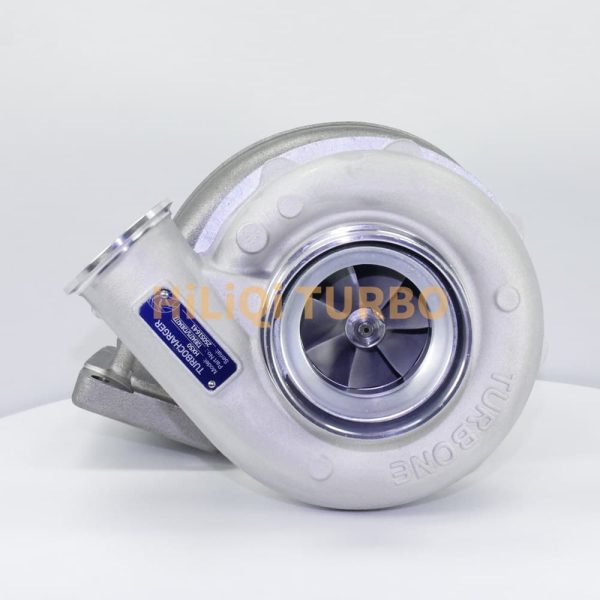
You run generator sets with Waukesha gas engines. Things run smooth one minute. Then a turbo goes bad and the whole unit shuts down. Hours stretch into days waiting on parts. Production losses add up quick.
These turbos spin crazy fast in hot, tough conditions. Failures rarely come from one huge blowout. They build up slow from daily stuff crews deal with all the time. Think long hours at light load, spotty oil flow, or junk sneaking through the intake.
Here are the five most common turbo problems on Waukesha gas engines in generator set work. We’ll cover what really happens out in the field, why it hurts so much under normal running, and simple ways to make them last longer and keep everything online.
1. Low-Load Operation and Excessive Wear
Plenty of generator set jobs don’t stay at full power around the clock. During quiet times, engines drop below 30% load for hours or days on end. That’s when trouble starts piling up.
Exhaust flow slows way down at low load. The turbo turns slower than it should, yet the bearings and wheels still bake in the heat. Oil gets thinner. Carbon builds on the hot side. The whole spinning part wears unevenly after a while. You start seeing shaft play, oil slipping past seals, and boost dropping off. The engine has to push harder just to keep going.
Techs spot this pattern a lot on standby or peaking units that bounce between idle and half power. One guy in the Midwest told how he yanked a turbo at just 8,000 hours. It had mostly sat there cooking itself the whole time.
Prevention tips:
- Try to run a good loaded test now and then—bring it up to 60-80% for half an hour or so when you can.
- Keep a close eye on exhaust temps. Weirdly low readings often mean the turbo isn’t doing its job right.
- Use a load bank for regular checks instead of letting the engine idle along.
2. Lubrication Failures – The #1 Killer
Talk to any veteran mechanic. They’ll tell you lubrication trouble knocks out more turbos than anything else. In gas engine generator sets, it usually shows up as too little oil getting to the bearings or dirty, broken-down oil.
The bearings ride on a thin oil film that also pulls away tons of heat. If pressure dips even for a few seconds—maybe from a clogged filter, low oil level, or slow pre-lube on startup—the shaft scrapes metal on metal. That quick contact scores the surface and heats things up enough to cook the oil that’s left.
Dirty oil causes just as much grief. Carbon bits from gas combustion or tiny metal flakes act like sandpaper at those crazy speeds. Crews notice failure rates jump when oil changes get pushed back or bypass filters get ignored.
Straight story from the field: A crew at a compressor station kept swapping turbos until they found a tiny pinhole leak in the oil line. Gauges looked okay, but the turbo ran half-starved half the time. They fixed that leak and cut their replacement rate in half.
Practical steps:
- Always pre-lube before you crank—give it 20 to 30 seconds of pressure first.
- Stick tight to the recommended oil type and change schedule. Go shorter in dusty or hot spots.
- Send oil samples out every 500 hours so you catch rising wear metals or soot early.
3. Foreign Object Damage (FOD)
Even small scraps of junk can wreck a turbo fast. In generator set setups, stuff like leftover gasket pieces, dust from a torn air filter, or bits from an earlier breakdown often cause the damage.
The compressor wheel takes the hit first. You hear a new high-pitched whine or grinding sound. Then boost pressure falls away. Once blades get chipped or bent, the whole thing goes out of balance. Vibration races down the shaft and can snap it or chew up the bearings.
A maintenance lead once shared what happened after a tech swapped the air cleaner. A little piece of plastic packaging got left in the duct. The turbo sucked it in on the next run and spun a bearing inside 200 hours.
How to stop it:
- Check the whole air intake path every service—look for rips, loose clamps, or anything collapsing.
- Run good filters matched to your site and swap them on time, not just when they look nasty.
- After big work, double-check that no tools, rags, or scraps sit in the intake or exhaust.
4. Overheating and Thermal Stress
Gas engines in steady generator set duty push hot exhaust, especially under heavy load or in warm weather. When cooling systems lag or carbon cakes up the housing, heat builds quicker than oil can carry it off.
High temps over time soften the turbine wheel and cause it to stretch or crack. Seals get hard and leak oil into the exhaust. You see smoke and power fading until the unit trips out.
This one creeps up on teams in hot areas or spots with poor airflow around the package.
Prevention checklist:
- Clean charge air coolers and radiator fins often—blocked flow raises temps all the way back.
- Track turbo outlet temps and watch how they trend.
- Stay clear of running too long above the safe exhaust gas temp limits.
5. Bearing and Seal Wear from Vibration and Misalignment
Engine shake or driven equipment vibration travels right into the turbo. It loosens mounts, wears the housing, and speeds up bearing damage. Bad alignment after install or overhaul makes everything worse.
You might notice more oil use or a light vibration that grows louder under load. By the time it’s obvious, shaft play usually sits outside specs.
What helps:
- Tighten turbo mounts and exhaust connections at every outage.
- Use a dial indicator to check end play and side play against the numbers during inspections.
- Fix any odd engine vibration sources right away.
Comparing the Impact of Common Failures
Here’s a quick look at how these issues show up and what they cost in lost time:
| Failure Type | Early Warning Signs | Typical Hours to Failure | Downtime Impact | Prevention Priority |
| Low-Load Wear | Low boost, higher fuel use | 6,000–12,000 | Moderate to high | High |
| Lubrication Issues | Oil leaks, whining noise | 4,000–10,000 | Very high | Highest |
| Foreign Object Damage | Sudden noise, rapid power loss | Immediate–500 | Catastrophic | High |
| Overheating | Exhaust smoke, high EGT | 8,000–15,000 | High | Medium |
| Bearing/Seal Wear | Gradual vibration, oil consumption | 10,000+ | Moderate | Medium |
Keeping an eye on these patterns helps crews focus inspections and catch trouble before it stops everything cold.
Introducing a Trusted Aftermarket Turbo Solution
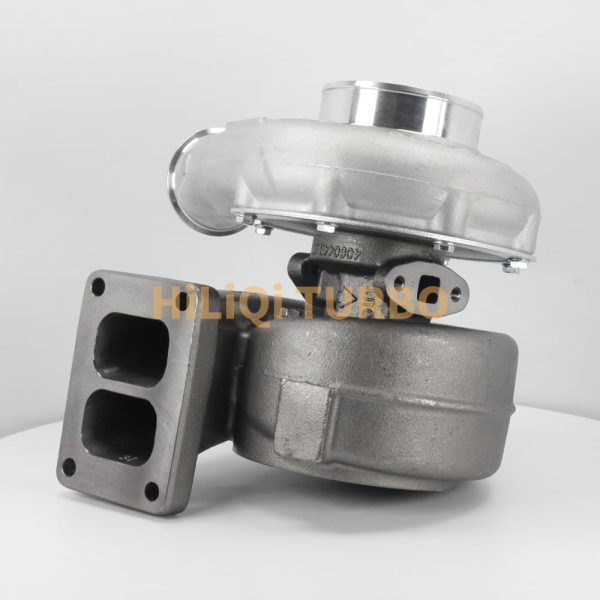
When a turbo finally needs swapping, many shops turn to solid aftermarket suppliers who specialize in well-made replacements. HILIQI has built a name as a trusted and experienced aftermarket brand for precision engineered turbochargers. They started back in 2005 with over 20 years in the business. They focus on parts made with tight machining, careful high-speed balancing on VSR rigs, and materials that hold up like the originals or better.
Their units run through full tracking and IATF16949-certified steps. That gives operators real confidence in the fit, performance, and long haul without paying full OEM prices.
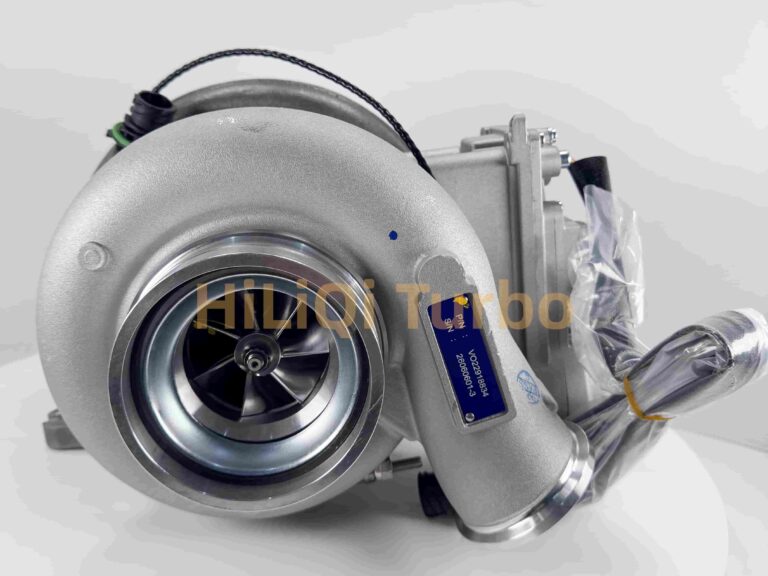
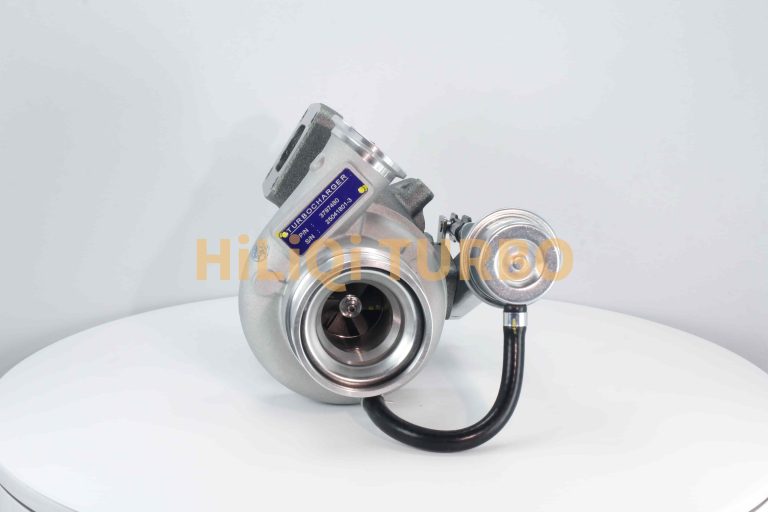
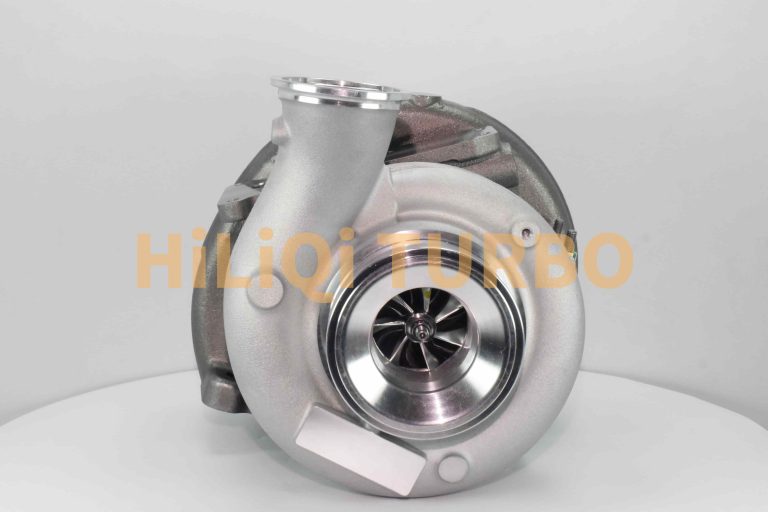
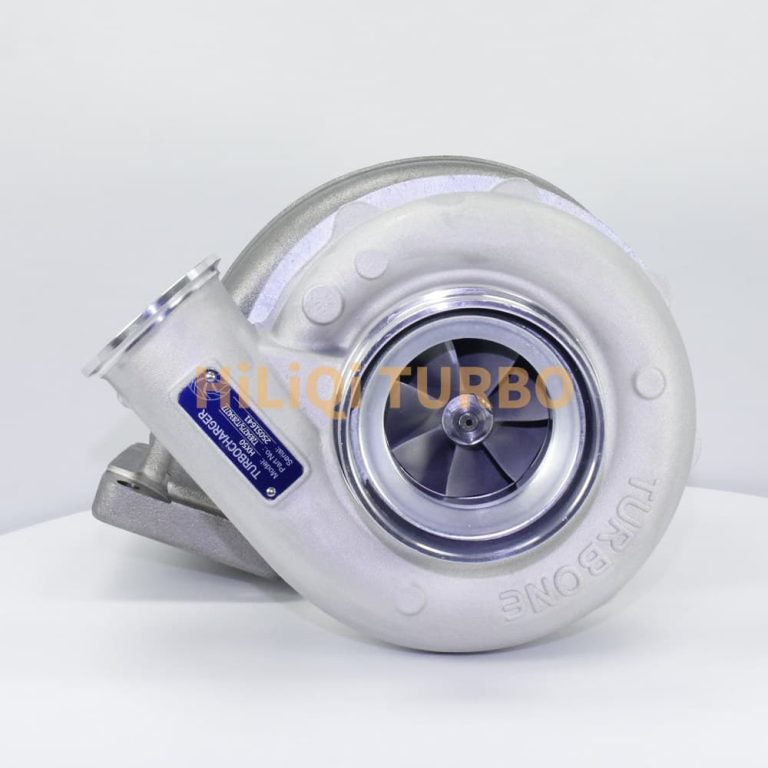
A good example sits with their HX50 turbocharger (part numbers 2834275, 4033992, 2834277 / supply BT86533). It drops right in for Chongqing Cummins M11 engines in generator set packages. The turbine wheel uses tough K18 alloy that handles exhaust gas up to 900°C without warping. Each one gets precision balanced and tested to match factory torque curves and fuel use. You bolt it on—no extra tweaks needed. Crews like the steady quality and how it brings full power back at a fair price.
Conclusion
Making Waukesha gas engine turbochargers hold up in generator set duty really comes down to facing the actual conditions your machines see every shift. Low load, oil gaps, and stray debris don’t always kill a turbo right away. But they add up quick. Stay on top of basic care, watch the trends, and jump on early signs. You’ll cut surprise downtime and stretch the gaps between big repairs.
The payoff shows in better uptime, lower parts costs, and fewer late-night emergency calls. When you do need a new turbo, picking a solid aftermarket choice like those from HILIQI helps control spending while keeping the performance your job needs.
FAQs
What is the most common cause of turbocharger failure in Waukesha gas engines used in generator sets?
Lubrication problems sit at the top by far. Low pressure at startup, dirty oil, or restricted flow all hit the bearings hard at high speeds. Regular oil checks and strict pre-lube habits make a clear difference in how long they last.
How does running a generator set at low load affect the turbocharger?
Below 30% load, exhaust flow drops off and the turbo never reaches its sweet spot for speed or heat. That leads to uneven wear, carbon buildup, and faster breakdown of seals and bearings. Running it harder for short periods helps clear deposits and keep things even.
Can foreign object damage be prevented in gas engine generator set installations?
It sure can—with steady checks on the air intake. Swap filters on schedule, inspect all ducts and clamps, and make sure nothing gets left behind after work. Even tiny bits can nick blades and throw the whole unit out of balance.
What should I look for when choosing a replacement turbocharger for a Waukesha gas engine generator set?
Look for units built close to original specs with good materials, solid high-speed balancing, and clear tracking. Direct-fit designs that match factory power curves help get you back online fast without extra fuss.
How often should turbocharger inspections happen on a Waukesha-powered generator set?
Check oil lines, mounts, and basic play every 500 to 1,000 hours or during normal oil changes. Save deeper checks—like exact play measurements—for major service stops or whenever you notice new noises, weak boost, or rising oil use.