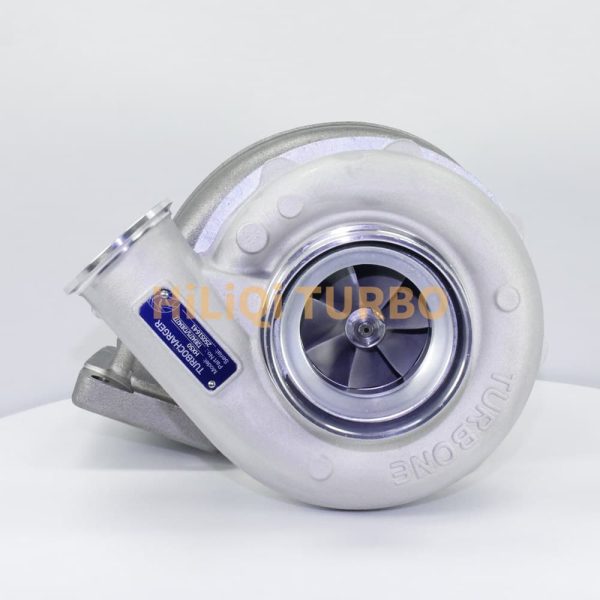
A turbo failure on your Cummins M11 generator set rarely happens overnight. It usually starts with small warning signs that most operators miss until it’s too late. One day the unit runs fine under load. The next, you hear a high-pitched whine or see blue smoke pouring out. Then comes the worst-case scenario — a seized rotor that sends metal shards through the engine.
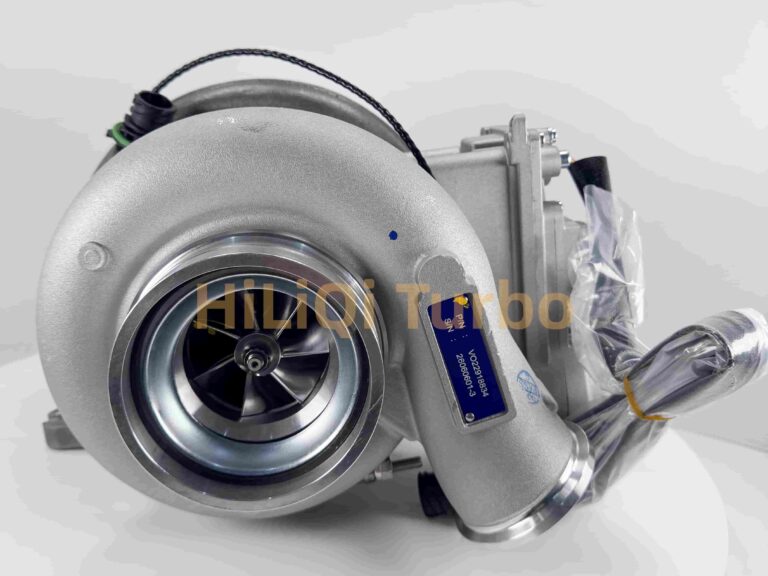
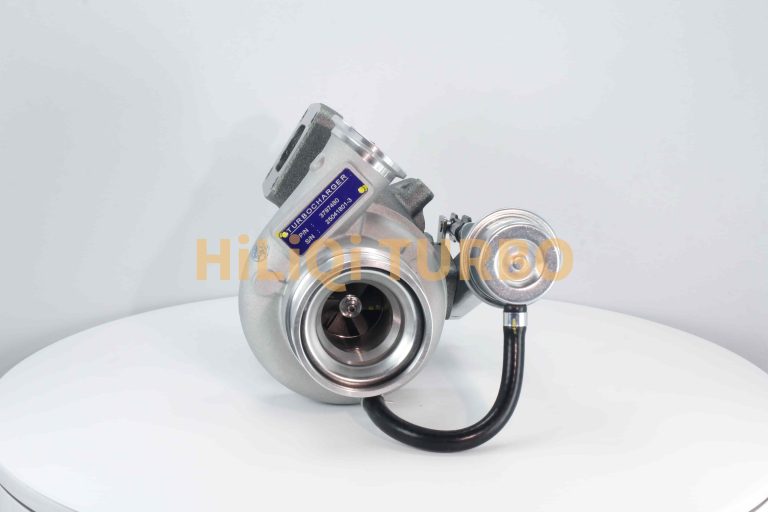
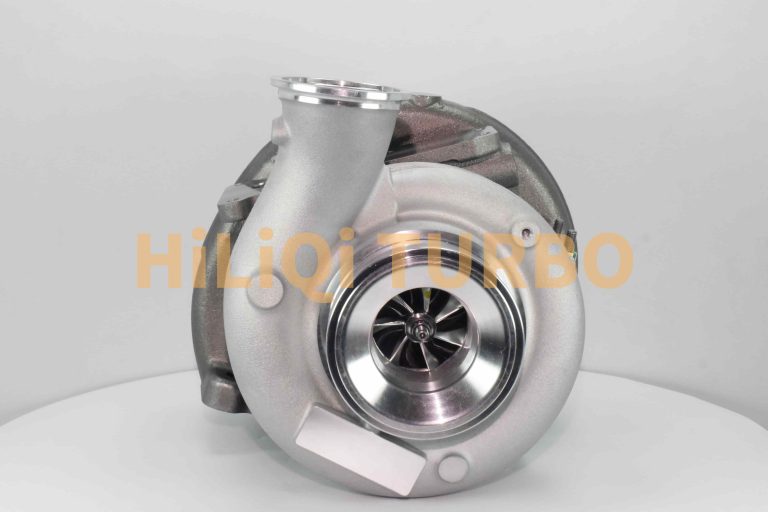
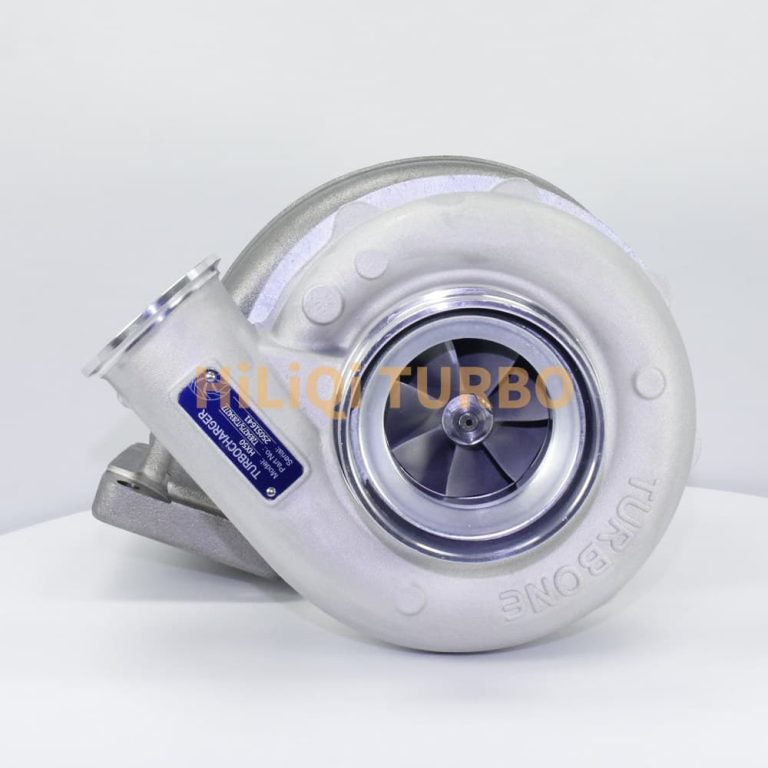
For power plant teams, data center operators, and field engineers running standby Cummins M11 gensets, catching turbo trouble early saves thousands in repairs and prevents unplanned downtime. The HX50 turbo, with its part numbers like 2834275, 4033992, and 2834277, powers many Chongqing Cummins M11 generator sets. Knowing what to watch for can keep your backup power reliable when you need it most.
Why Turbo Failures Turn Serious So Fast
Turbos spin at incredible speeds — over 100,000 rpm under full load. The bearings ride on a thin film of oil for both lubrication and cooling. When that film breaks down from dirty or low oil, things go south quickly.
Industry data shows oil-related problems cause more than half of all turbo failures. Contaminated oil scores the bearings. Starved oil leads to overheating. Once the shaft starts wobbling, the compressor wheel or turbine can break apart and send debris straight into the engine. In genset applications, this often results in a runaway engine if oil leaks past the seals and gets sucked into the intake.
Field mechanics who service remote oilfield or mining gensets see this pattern all the time. A unit runs for months with slightly higher oil consumption. Then one overload event pushes the damaged turbo over the edge.
Common Failure Modes on the HX50 Turbo
Here are the main ways the HX50 turbo fails on M11 engines:
- Oil starvation or contamination— Dirty oil or low pressure scratches the journal bearings and thrust surfaces. This accounts for the majority of cases.
- Foreign object damage— Small debris from a dirty air filter or loose intake hose chips the compressor wheel.
- Oil seal leaks— Worn seals let engine oil enter the intake, which can cause the engine to overspeed.
- High exhaust temperatures— Prolonged overloads can overheat the turbine wheel, even with strong K18 alloy material that handles up to 900°C.
The HX50 uses precision-balanced components and high-quality materials, but it still needs clean oil and proper maintenance to last.
Three-Level Diagnostic Checklist You Can Use in the Field
Experienced techs follow a simple three-step process during routine inspections. It takes just minutes but catches most problems early.
Level 1: Listen for Unusual Noises
Start the genset and let it idle for a few minutes. Then bring it up to load.
- A light whining or whistling sound that gets louder under boost often points to bearing wear.
- Grinding or rattling noise usually means the shaft has too much play.
- Chirping that changes with rpm can signal a damaged compressor wheel.
Use a mechanic’s stethoscope or even a long screwdriver against the turbo housing to pinpoint the sound. Compare it to a healthy unit if you have one nearby.
Level 2: Check Smoke Color and Look for Leaks
Watch the exhaust closely during startup and load changes.
- Blue smoke at idle or under light load often means oil is leaking past the seals into the intake.
- Black smoke under load can indicate the turbo isn’t delivering enough air.
- White smoke might point to coolant issues, but check the turbo area anyway.
Walk around the unit with a flashlight. Look for oil residue around the compressor housing, turbine inlet, or oil drain line. Wet spots near the center housing are a red flag for seal failure. Also check the air intake piping for oil film — that’s a classic sign of leaking seals on M11 gensets.
Level 3: Measure Boost Pressure and Oil Conditions
Use a boost gauge or the genset’s monitoring system.
- Normal boost on a healthy HX50 under full load should match the engine’s rated performance.
- Lower than expected boost with high exhaust gas temperature suggests the turbine side is struggling.
- Sudden drop in boost pressure during a run often means bearing damage has started.
Check the engine oil. If it looks milky, has metal particles, or the level drops faster than normal, the turbo may be the culprit. Change the oil and filters if they’re overdue — dirty oil is the number one killer.
Here’s a quick reference table for common symptoms:
| Symptom | Likely Cause | What to Check First | Action Needed |
| High-pitched whine | Bearing wear | Oil pressure and condition | Inspect shaft play |
| Blue smoke | Oil seal leak | Intake piping and center housing | Replace seals or turbo |
| Loss of power | Compressor wheel damage | Air filter and intake for debris | Check for foreign object damage |
| Grinding noise | Shaft play or thrust bearing failure | Axial and radial clearance | Immediate shutdown and inspection |
| Rapid oil consumption | Seal failure | Oil drain line and return | Pressure test system |
Real-World Example from the Field
A data center in the Midwest ran three Cummins M11 gensets for backup power. One unit started showing slight blue smoke during monthly tests. The maintenance team ignored it at first because power output still looked normal.
Two months later, during a real outage, the turbo bearings seized. Metal fragments went through the engine, scoring the cylinders. The repair bill topped $18,000 and took the unit offline for weeks. A simple boost check and oil inspection during the previous test could have caught the failing HX50 early.
Teams that follow a strict 250-hour inspection schedule on their HX50 turbos report far fewer surprise failures.
Brief Introduction to HILIQI Turbo
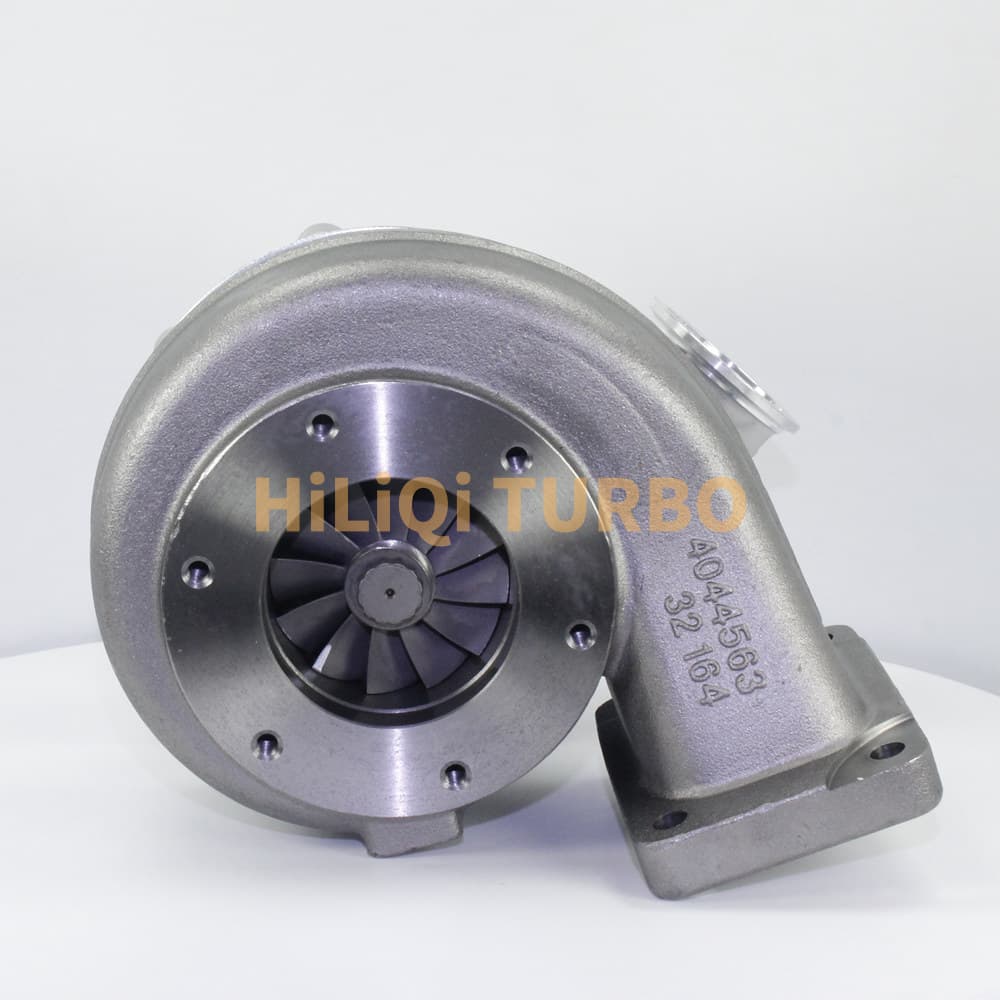
HILIQI Turbo is a trusted and experienced aftermarket brand for precision engineered turbochargers. Founded in 2005 in Beijing, the company has over 20 years in the industry and holds more than 35 patents. They manufacture in modern facilities with advanced testing equipment, including VSR balancing machines and three-coordinate measuring systems. HILIQI specializes in high-quality replacements for engines like Cummins, focusing on direct-fit parts that match OEM performance. Their turbos, including the HX50 series for M11 gensets, use strong materials such as K18 alloy turbine wheels and go through strict quality checks to deliver reliable service in demanding generator set applications.
Conclusion
Catching a failing HX50 turbo early on your Cummins M11 genset comes down to paying attention to small clues — unusual noises, smoke color, oil leaks, and boost pressure. These signs almost always appear before major damage happens. A few minutes of checking during routine service can prevent a costly engine overhaul and keep your critical power systems running when they’re needed most.
Don’t wait for the turbo to fail completely. Download the free HILIQI Turbo Failure Diagnosis Checklist today and add it to your maintenance routine.
FAQs
What are the early warning signs of a failing HX50 turbo on a Cummins M11 generator set?
Listen for whining or grinding noises, watch for blue smoke from the exhaust, and check for oil around the turbo housing. Lower boost pressure under load is another common clue.
How does oil contamination damage the turbo in Cummins M11 gensets?
Dirty or low oil scratches the bearings that support the high-speed shaft. Once the bearings wear, the shaft wobbles and can destroy the compressor or turbine wheel.
Can a leaking oil seal on the HX50 turbo cause engine runaway?
Yes. If oil gets past the seals and enters the intake, the engine can burn it and overspeed. This is especially risky during sudden load changes on generator sets.
How often should I inspect the turbo on my Cummins M11 genset?
Check for noise, smoke, and leaks every 250 hours or during monthly load tests. A full boost and oil condition inspection should happen at every oil change.
Where can I get a reliable replacement HX50 turbo for my Cummins M11 generator set?
HILIQI offers direct-fit aftermarket HX50 turbos with part numbers matching 2834275, 4033992, and 2834277. They are built to OEM standards and come precision balanced for smooth operation.