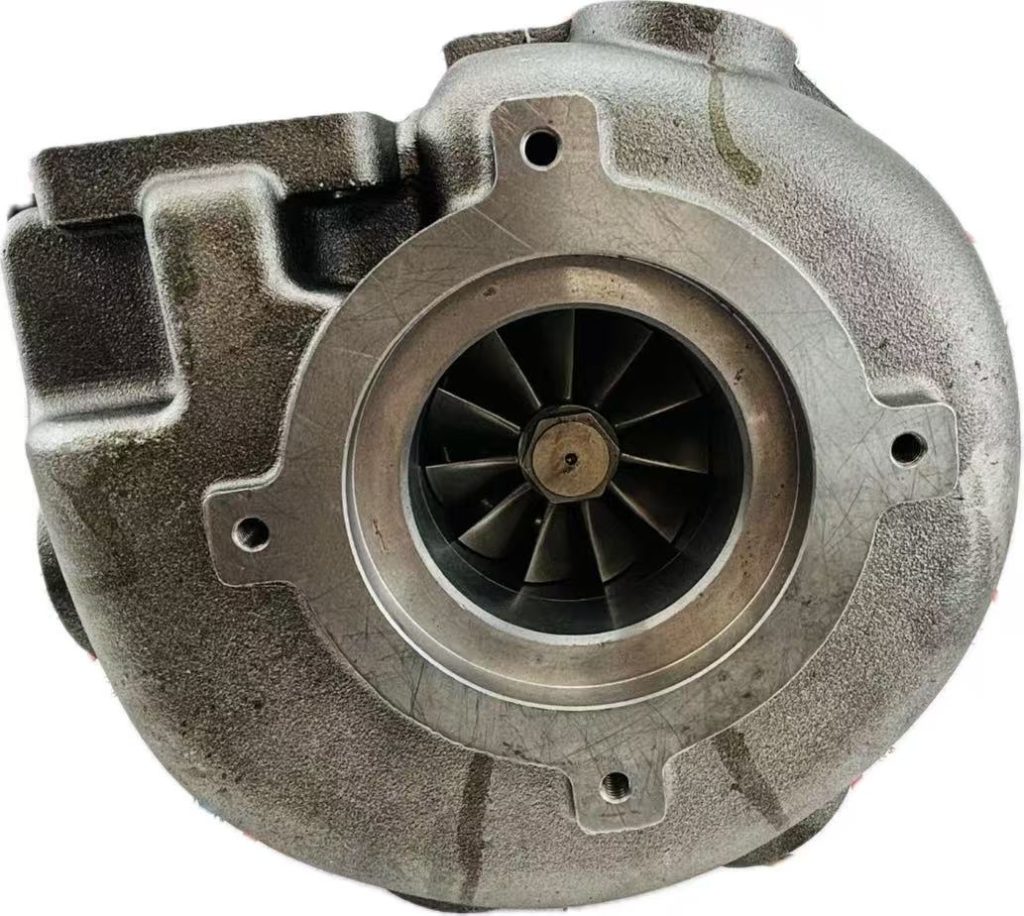
You push the throttle forward on a long run. You expect that old strong pull. Instead the engine feels flat. RPMs climb slower than before. Fuel burn goes up while your speed stays down. For many owners of Cat 3408 and 3508 marine diesels, this story sounds all too common after thousands of hours at sea.
The main trouble often hides inside the turbocharger. Years of salt air, high exhaust heat, and steady heavy load wear down the insides. Boost pressure drops off. Horsepower fades away. What once ran like a solid workhorse now struggles to keep pace.
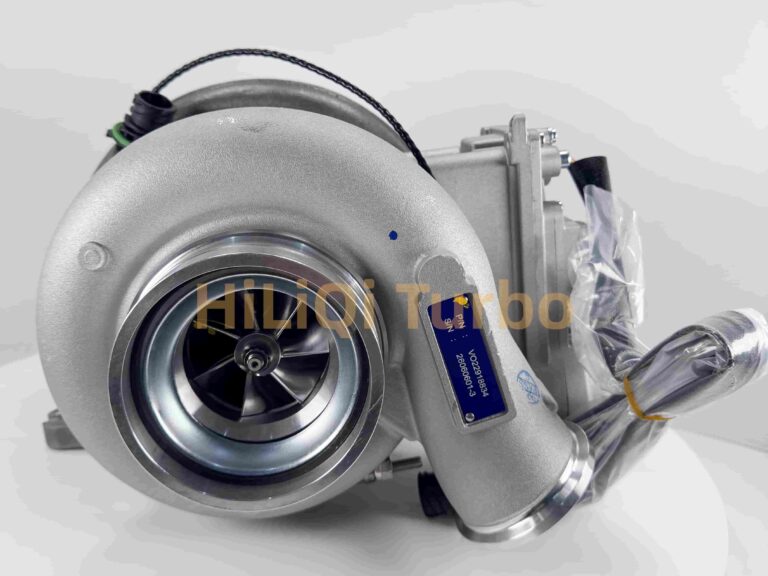
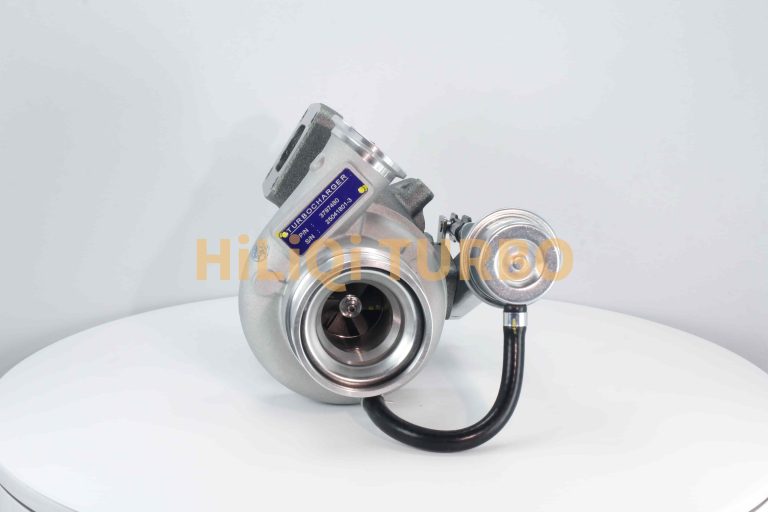
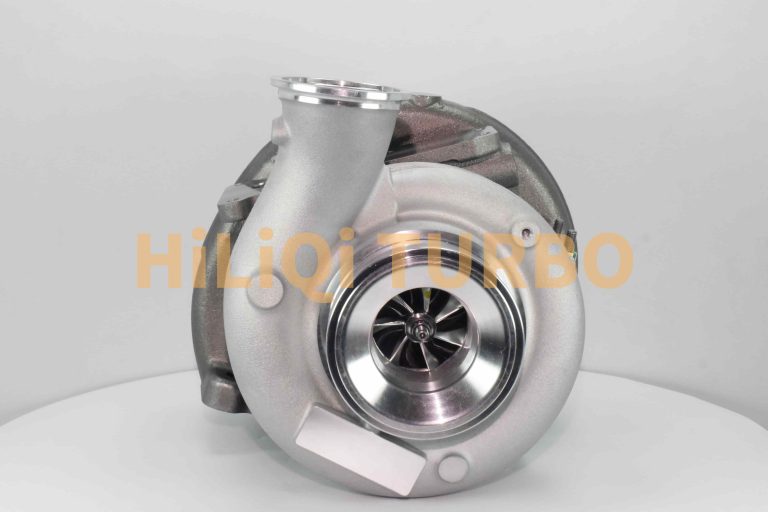
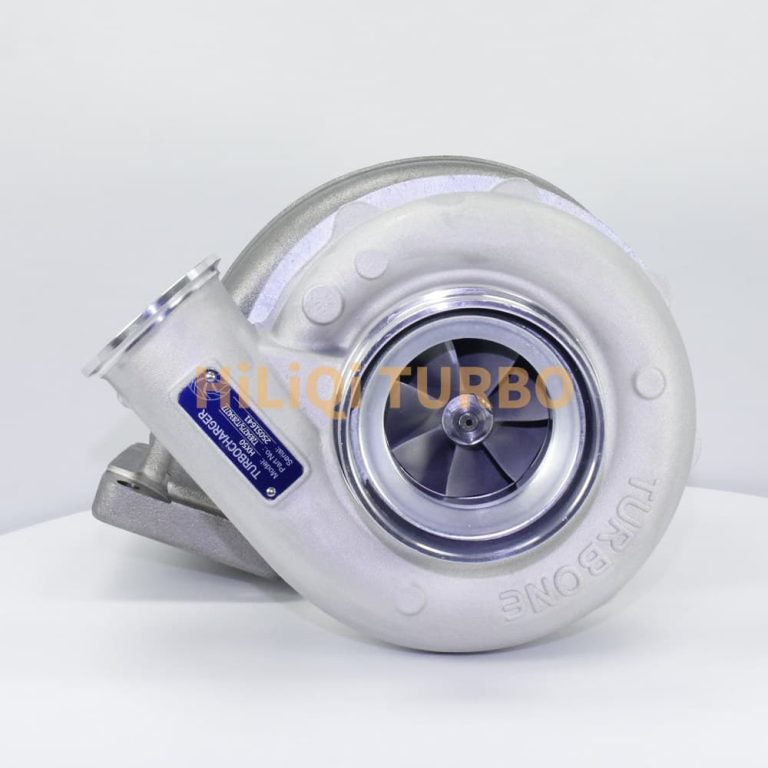
A high quality replacement Caterpillar turbo match with marine engine can turn things around. These carefully built units bring back the boost and restore the performance you counted on from the start.
Why Marine Cat 3408 and 3508 Engines Lose Power Over Time
These big V8 and V12 diesels push everything from commercial fishing boats and tugboats to yachts and offshore supply vessels. They work hard for long stretches. Heat cycles stress the turbo housing and wheels. Saltwater corrosion eats at seals and bearings. Carbon piles up and slows the shaft.
When boost falls, you notice it right away. The engine works harder just to hold the same speed. Fuel economy suffers because combustion runs less clean. Black smoke shows up under load. In some cases, crews see a 10-15% drop in real horsepower after 8,000 to 12,000 hours.
Take a 3508-powered crew boat, for instance. Captains often mention slow response when fighting head seas. Trips take longer. Fuel stops add up. A worn-out turbo just cannot feed the engine enough air for strong, clean combustion.
How a Quality Turbo Upgrade Restores Performance
Swapping in a high quality direct-fit unit wakes the engine up again. The right replacement matches the original specs for flow, pressure ratio, and mounting points. No big changes needed. You bolt it on and start the engine.
Many operators watch boost pressure climb back to factory levels or even a bit higher. That extra air burns the fuel more completely. Power comes back. Throttle response comes alive. Fuel consumption often drops 5-8% under normal cruising loads. The engine no longer fights to make up for weak boost.
In actual service, a well-matched turbo upgrade on a Cat 3408 can bring back 40 to 60 horsepower that had slowly slipped away. On bigger 3508 setups, the gain sometimes reaches 80 horsepower or more. It all depends on the engine’s condition and typical load. The engine runs cooler too, since cleaner combustion keeps exhaust gas temperatures steadier.
Signs It’s Time for a Cat 3408 Turbo Upgrade
Mechanics and captains keep an eye out for these usual clues:
- Clear hesitation when you accelerate from idle
- Higher exhaust temps when you push the load
- More fuel used for the same speed and sea conditions
- Blue or black smoke during heavy throttle
- Odd whining or grinding noises from the turbo area
If you hear whistling that changes with RPM or spot oil in the intake, the bearings or seals may be giving out. Catching it early helps avoid bigger headaches later.
For marine work, the upgrade needs to handle constant high exhaust heat and possible water spray. A good replacement includes a water-cooled bearing housing built for these rough conditions. It keeps the oil cooler and stretches service life even in salty air.
Key Benefits of Proper Turbo Boost Recovery
Beyond raw horsepower, fixing the boost delivers several handy advantages at sea:
- Better fuel economy gives you longer range between fills
- Stronger low-end torque helps when maneuvering in tight harbors or pushing heavy tows
- Cleaner combustion cuts visible smoke and eases port rules
- Smoother running reduces vibration and eases stress on the drivetrain
One commercial operator ran a pair of 3508-powered workboats. He replaced both turbos during regular downtime. He saw a clear drop in daily fuel use. The boats held cruising speed easier in choppy water. The engines simply felt stronger again.
Technical Details That Matter in Marine Service
A high quality replacement Caterpillar turbo match with marine engine matches the original bolt pattern. It uses tough materials that stand up to repeated heat cycles. Precise balancing keeps vibration low even at high shaft speeds.
Pay attention to details like an improved thrust bearing and tight machining tolerances. These small things help hold steady boost across a wide RPM range without sudden surge or long lag.
Here’s a quick comparison of typical performance before and after a quality turbo upgrade on these engines:
| Aspect | Worn Turbo Condition | After High-Quality Replacement |
| Boost Pressure | 18-22 psi (dropped) | 25-28 psi (restored) |
| Horsepower Output | 10-15% loss | Full rated power recovered |
| Fuel Consumption | Higher by 6-10% | Improved 5-8% at cruise |
| Exhaust Gas Temp | Elevated under load | Lower and more stable |
| Throttle Response | Sluggish | Quick and linear |
These figures come from field reports on vessels working coastal and offshore routes. Results vary with maintenance history and exact tune, but the pattern stays consistent.
Real-World Marine Scenarios Where the Upgrade Pays Off
Picture a fishing trawler grinding through long seasons in the North Pacific. The Cat 3408 drives the main winch and propulsion. As the original turbo aged, the skipper had to run higher RPMs just to push against currents. Fuel costs climbed. After fitting a precision replacement turbo, the boat regained its strong pull. The crew could troll at efficient speeds again without overworking the engine.
On a 3508-powered supply vessel, the team noticed slower pickup when leaving the dock fully loaded. The new turbo brought back the quick low-end response they needed for safe handling in busy ports.
These swaps really shine when downtime hurts the wallet. A fast turbo change during haul-out keeps the vessel working and earning instead of sitting tied up.
Introducing HILIQI Turbo
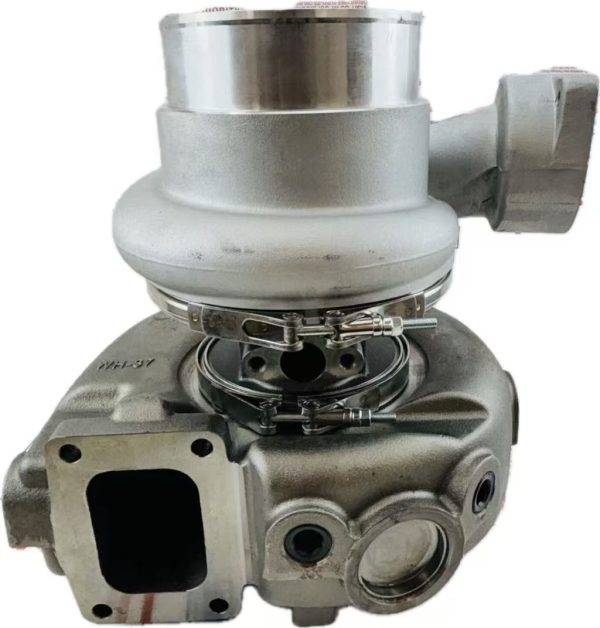
HILIQI Turbo stands as a trusted and experienced aftermarket brand for precision engineered turbochargers. With over 20 years in the business, the company specializes in high-quality replacements that match demanding applications, including marine diesel engines. Their turbos feature robust construction, strict quality control, and designs proven in tough real-world conditions across global markets.
Conclusion
Lost horsepower doesn’t have to stay gone for good. A high quality replacement Caterpillar turbo match with marine engine can bring your Cat 3408 or 3508 back to strong, efficient running. You regain solid boost, quicker response, and better fuel economy without tearing the whole engine apart.
If your marine diesel feels like it’s lost its edge, check the turbo closely. The right upgrade often gives you the biggest improvement for the money when you want to restore power at sea.
FAQs
What is a high quality replacement Caterpillar turbo match with marine engine?
It is a precision-engineered aftermarket turbocharger built as a direct-fit replacement for Cat 3408 and 3508 marine diesels. These units restore original boost levels and help recover lost horsepower caused by wear.
How much power can a Cat 3408 turbo upgrade actually restore?
Many owners see 40 to 60 horsepower return on a 3408 once boost pressure comes back to spec. On 3508 engines the gains can reach 70-80 horsepower depending on the vessel’s load and operating conditions.
Will a new turbo improve fuel economy on my 3508 marine engine?
Yes. Better boost leads to more efficient combustion. Operators commonly report 5-8% better fuel burn at cruising speeds after a quality turbo replacement.
Is the installation of a high quality replacement Caterpillar turbo match with marine engine difficult?
Most experienced marine mechanics handle it as a standard job. The units bolt on without major modifications when you choose the correct direct-fit model designed for these engines.
How long does a precision replacement turbo last in marine service?
With proper oil changes and regular inspections, these turbos deliver reliable service for many thousands of hours. The water-cooled designs help them handle the heat and salt air common in marine duty.