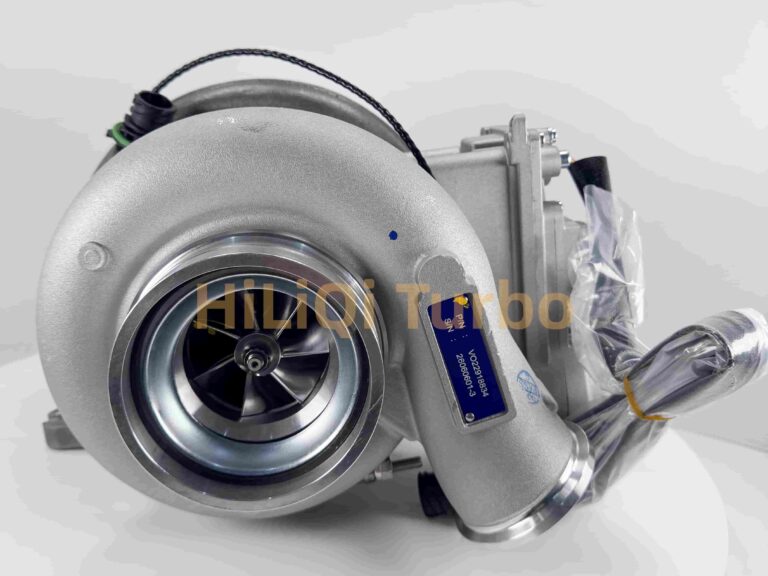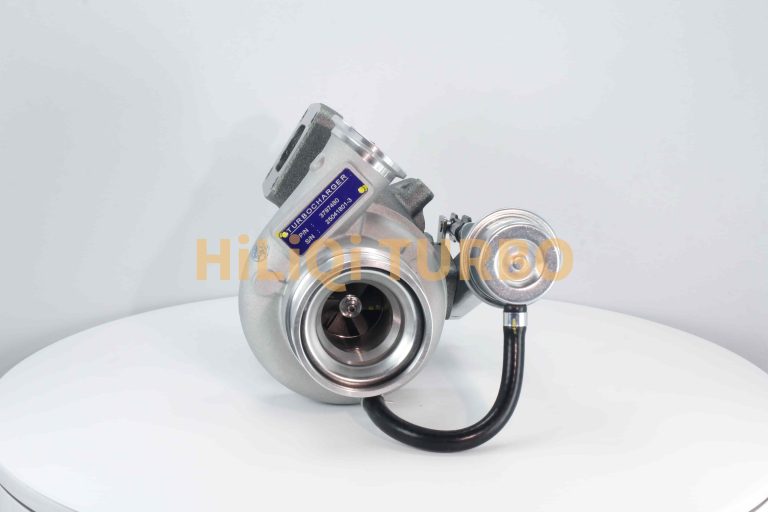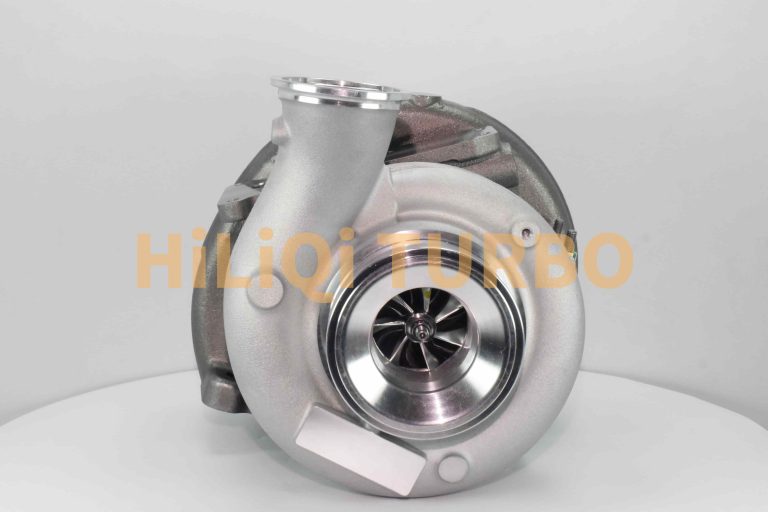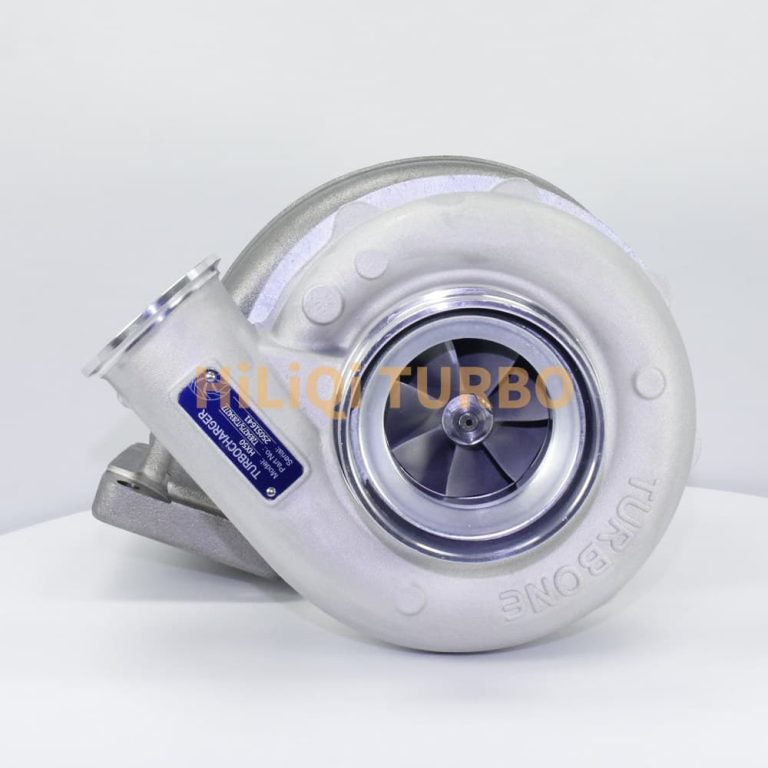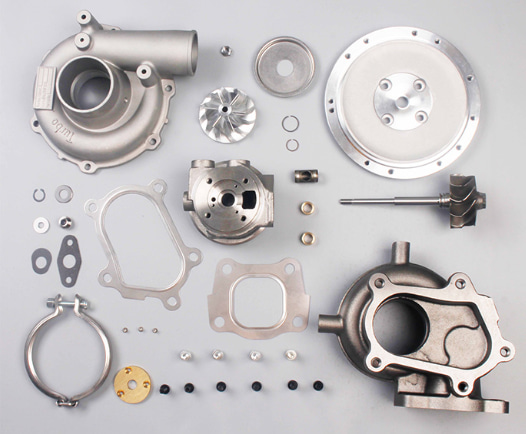
A turbocharger is a smart forced induction tool. It uses waste gas energy to spin a turbine. This turbine squeezes fresh air into the engine’s intake area. The goal is to pack more oxygen for burning fuel. As a result, the engine gains better power and saves fuel. In today’s car design, turbochargers help small engines perform strongly. They also help meet tough rules on pollution. Spotting a weak turbo early matters a lot. If ignored, problems grow fast. This can lead to big repair costs, worse gas use, and less dependable driving.
What Are the Common Signs of a Failing Turbocharger?
Spotting signs of a bad turbo early can stop extra harm to the engine setup. Let’s look at the main clues.
Smoke Emissions and Their Indications
Smoke from the tailpipe is one of the clearest signs of turbo trouble. Blue smoke often means oil is slipping into the exhaust due to old seals or hurt bearings inside the turbo. When oil burns with gas, it makes that blue color. Black smoke happens from a poor mix of fuel and air. This can come from a weak compressor wheel or blocked air flow. It leads to fuel not burning fully. White smoke might show coolant leaking into the burn area or broken inner seals. This points to serious wear inside.
Power Loss and Reduced Engine Efficiency
A weak turbo often shows as less power when speeding up. If the compressor wheel or turbine parts get worn or off-balance, the pressure drops. This cuts the engine’s overall work. The ECU, or engine control unit, might try to fix it by changing fuel settings for a bit. But running like this for long hides the real mechanical problems. Soon, the failure shows clearly.
Unusual Noises from the Turbocharger System
Strange sounds are another big clue of turbo issues coming. A high-pitched whine or whistle can come from air leaks in the intake or bent turbine blades. Grinding sounds suggest bearing wear or a crooked shaft in the main part. Tools like a mechanic’s stethoscope or digital listeners can pinpoint these noises well. This helps before big damage hits.
How Do Mechanical and Operational Factors Contribute to Turbo Failure?
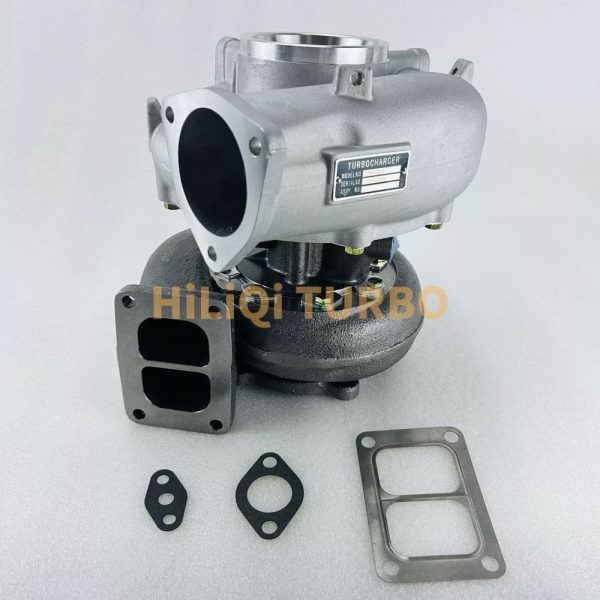
Turbochargers work in harsh settings. So, mechanical issues and how you use them affect how long they last. Now, we’ll cover the key causes.
Causes Related to Lubrication Issues
Good oil flow is key to keeping bearings strong in a turbo. Oil shortage can happen from blocked oil lines or late oil swaps. This wears bearings quickly and can lock them up. Dirty oil brings in grit that scratches bearing surfaces and seals. It speeds up the breakdown. To avoid this, stick to the maker’s oil type and change times. This keeps oil clean and flowing right.
Thermal Stress and Overheating Effects
Heat strain is a top reason for turbo breakdowns. High exhaust heat slowly harms turbine parts. It can cause splits or bends in bad cases. Wrong shutdown steps, like killing a hot engine right after hard work, lead to heat soak. Leftover heat hurts parts that aren’t moving. To help, let the engine idle a short time before turning off. This evens out the heat better.
Foreign Object Damage in Turbo Components
Bits of junk sucked into the air intake can badly erode compressor blades or chip turbine wheels. Even tiny pieces mess up air flow and unbalance the spinning parts. A strong filter system is vital to block dirt. Check air filters and intake paths often. Make sure there are no gaps or loose spots that let stuff in.
How Can Diagnostics Confirm Turbocharger Deterioration?
Smart checks are key to prove turbo problems before deciding to swap it out. These steps help confirm issues clearly.
Visual Inspection Techniques for Early Detection
Looking over the turbo by eye is a basic but strong way to spot trouble early. Check for oil spots near the compressor cover, cooler pipes, or exhaust ends. These hint at bad inner seals. Test the shaft for wobble to see bearing health. Too much side-to-side or in-out play means wear that needs quick fixes. Watch the actuator move to check wastegate work or adjustable geometry, based on the turbo type.
Advanced Diagnostic Tools and Testing Methods
New tech tools make checking turbo work more exact. They help spot issues with care.
Boost Pressure Testing Procedures
Boost tests measure real pressure under work loads against what the maker says. A big difference means less work from leaks inside or part wear.
Exhaust Gas Analysis Indicators
Checking exhaust gases shows how well fuel burns. High hydrocarbon amounts often mean poor burning from low boost pressure.
Vibration Analysis Applications
Vibration checks find uneven patterns from bad bearings or hurt turbine wheels. It tracks sound waves while running.
What Are Effective Maintenance Practices to Prevent Turbo Failure?
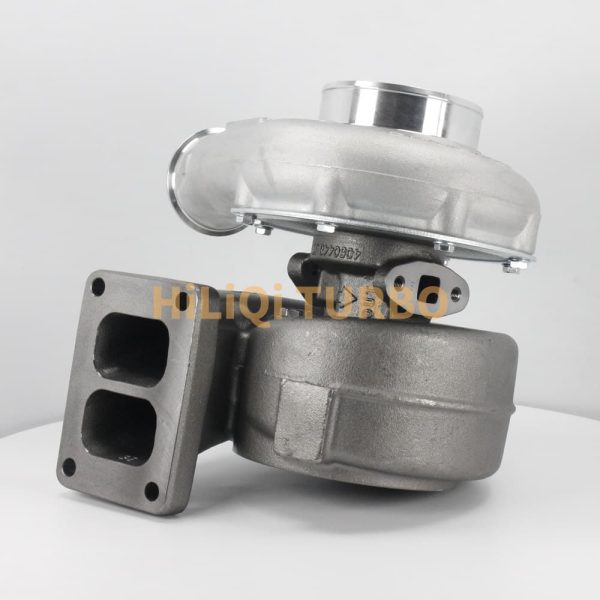
Steady care keeps a turbo reliable and working well over time. Good habits make a difference.
Routine Maintenance Intervals and Checks
Set care times are the base of turbo upkeep. Use approved oils during regular changes to stop gunk in oil paths. Swap air filters on schedule to cut dirt risks. This keeps air flow smooth through the compressor.
Proper Driving Habits That Extend Turbo Life
How you drive affects turbo life directly. Warm up slowly before pushing hard on the gas. This lets oil reach spinning parts at the right thickness. Also, idle a bit before shutting down. It steadies heat across hot parts and avoids heat soak harm.
Why Choose Beijing HiLiQi Turbocharger Manufacturing Co., Ltd.?
Picking a solid maker gives steady quality and help for your turbo needs.
Company Overview and Product Reliability
Beijing HiLiQi Turbocharger Manufacturing Co., Ltd. stands out as a skilled firm. It focuses on strong turbochargers for many vehicle types around the world. The team uses exact building methods and strict checks. They rely on modern making tools that match global rules.
Commitment to Performance and Customer Support
Beijing HiLiQi goes further than just making. They offer tough, smart fixes that fit various engines. These range from small cars to big trucks. Their worldwide help covers original part deals and after-sale buyers. You get solid swaps with pro advice.
Conclusion
Main signs of a failing turbocharger cover smoke types like blue, black, and white. They also include clear power drops, odd sounds while running, oil flow problems, heat strain, and junk damage to spinning parts. Quick checks with eye looks and high-tech tests let you act early. This stops major breakdowns. Steady care plus smart driving stretches the turbo’s life. It keeps the whole engine healthy. Working with proven makers like Beijing HiLiQi Turbocharger Manufacturing Co., Ltd. gives top-quality swaps. These are built for strength and great work in different settings.
FAQs
What causes blue smoke from a turbocharged engine?
Blue smoke usually results from oil leaking past worn seals into the exhaust system, indicating internal turbo wear or lubrication issues.
Can a failing turbocharger damage the engine?
Yes, severe turbo failure can lead to oil contamination, debris entry into combustion chambers, or excessive exhaust backpressure affecting overall engine health.
How long does a well-maintained turbocharger typically last?
With proper maintenance—regular oil changes, clean air filtration, and correct operating practices—a turbocharger can last over 150,000 kilometers or more depending on usage conditions.