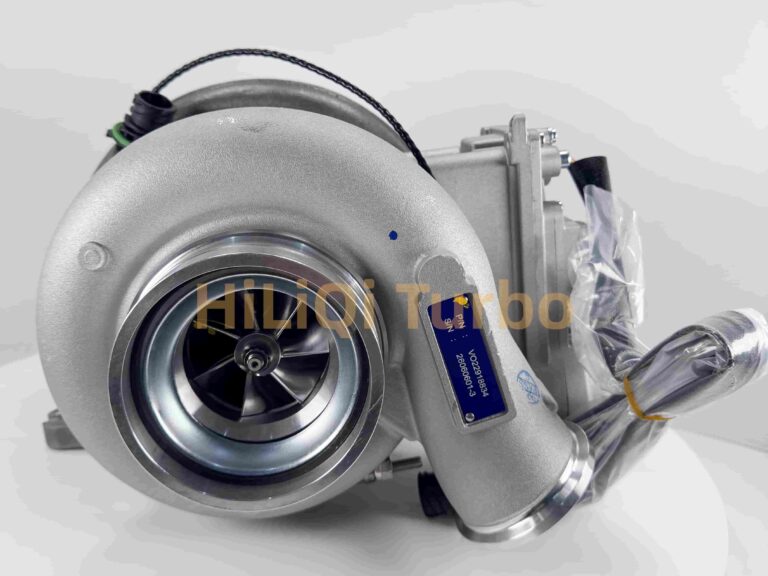
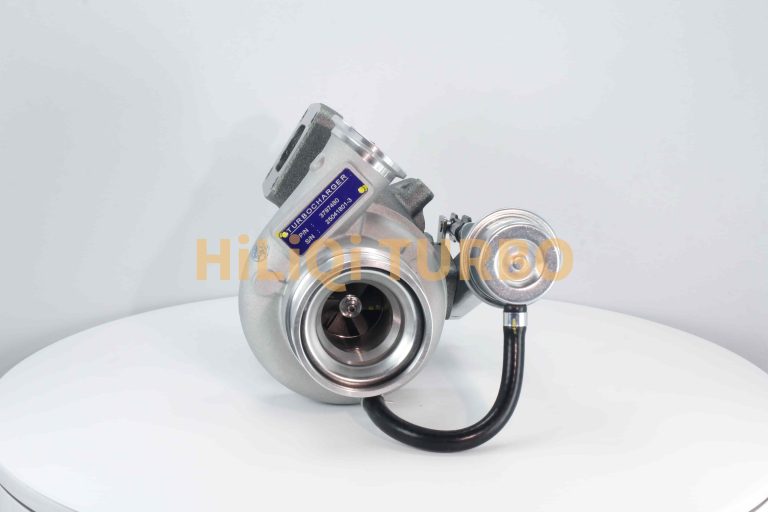
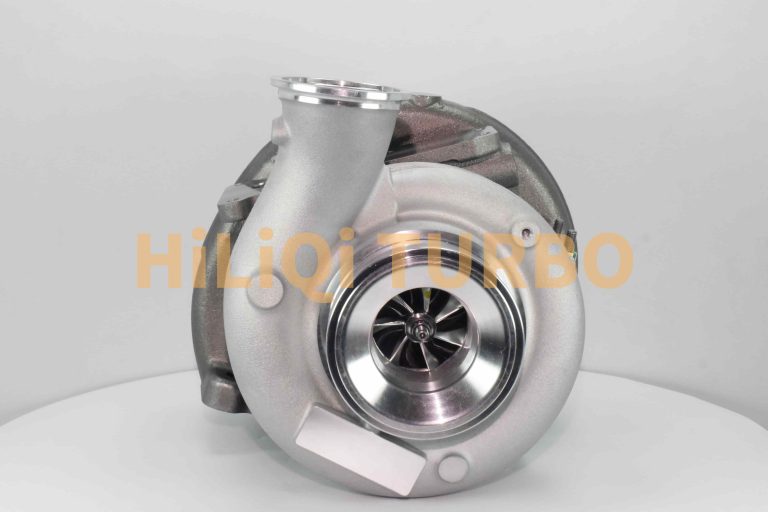
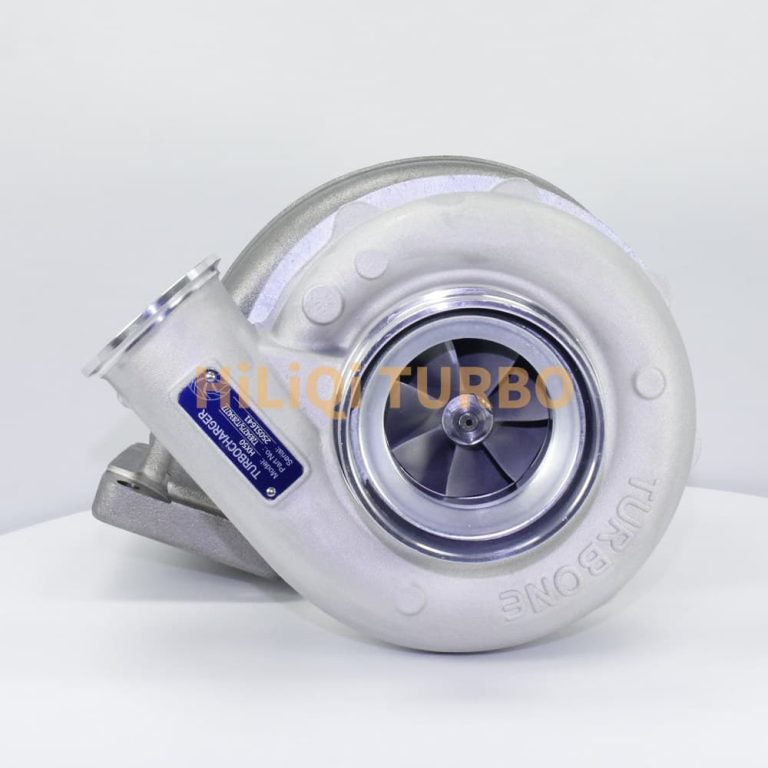
Cummins engines can power a wide range of equipment that is likely to have very different operating cycles. A haulage truck, for example, will see more variable and intense conditions than a generator set. Therefore, compressors, turbine housing, lubrication, cooling, and maintenance regimes will differ depending on the application. In this regard, a turbocharger applications guide for Cummins engines should go beyond general engine families and relate specific turbochargers to particular engines and installation conditions instead of focusing on the families and fuel types only.
How do Cummins turbocharger applications differ across industries?
Turbochargers may perform the same general function, but often have widely differing requirements depending on the application. Mining, construction, transport, marine and power generation engines each have unique demands relating to boost response, heat rejection, contamination control and serviceability.
What changes in mining and construction equipment?
Mining and earthmoving machinery involve heavy-duty equipment subjected to high loads, frequent starts and stops, dusty environments, and prolonged operating cycles. Therefore, the turbocharger has to be compatible with the engine’s calibration and able to withstand demanding air-filtration and exhaust conditions. Particular attention should be paid to the compressor’s efficiency, turbine housing, bearing support, oil cleanliness, and inlet restriction. Moreover, a suitable replacement should also consider the location of oil lines, coolant connections if present, mounts, and exhaust systems.
Why are generator applications different?
Generator engines typically have a narrow operating speed range, but they still often need to handle long-term overload or sudden load changes. The turbocharger on such engines must provide the necessary amount of air without creating excessive exhaust backpressure or sluggish response to the changes in load. For standby generators, the storage conditions and the ability to handle occasional use are also significant. Therefore, the oil quality, pre-start checks, and protection against corrosion can be as important as the ability to deliver the maximum power in these cases.
Which specifications must buyers verify before ordering a replacement turbocharger?
The engine model alone is not enough. Cummins engines may use different turbochargers across ratings, emissions configurations, production years, and equipment manufacturers. A visually similar unit can have a different compressor wheel, turbine housing, actuator, or oil connection.
How should OEM matching be handled?
Buyers should provide the engine serial number, turbocharger part number, equipment model, power rating, and photos of the installation. The identification plate and casting numbers may be helpful; however, they should be compared to the entire specification. For electronically controlled or variable-geometry turbochargers, a match of the actuator type, connection, calibration, and control strategy is required. A turbocharger selected according to the flange dimensions only often provides insufficient boost pressure, increased exhaust temperatures, and poor response.
Which internal components affect performance?
The CHRA contains the rotating assembly, bearings, seals, compressor wheel, and turbine shaft. Its balance and dimensional control influence speed stability and oil control. The turbine housing determines exhaust flow characteristics, while the compressor housing and wheel affect air delivery. Wastegate settings, nozzle mechanisms, and actuator travel also matter where fitted. Buyers should request a clear specification for the complete unit rather than accepting a generic “compatible” description.
What failure modes are common in heavy-duty Cummins turbocharger service?

Turbocharger damage is often a symptom of another engine or installation problem. Replacing the unit without correcting the root cause can lead to another failure soon after installation.
How do oil and air problems damage the turbocharger?
It is important to remember that such problems as oil starvation, improper oil, restricted drain lines, or improper shutdown may affect bearings and seals. At the same time, the intake side may experience improper filtration, which results in dust and foreign matter damaging the compressor wheel. In addition, a bad air filter may cause excessive work of the compressor, as well as improper operation of the engine. Prior to installing the turbocharger, it is vital to check and make sure that the oil supply and return, intake piping and filter, breather, and exhaust have been properly installed.
What do noise, smoke, and power loss indicate?
Whistling, scraping, blue smoke, black smoke, slow boost response, or falling engine power may point to several causes. These include boost leaks, damaged wheels, actuator faults, oil leakage, exhaust restriction, fuel-system issues, or worn engine components. Shaft movement and housing damage should be checked, but diagnosis should not stop there. A structured inspection prevents a healthy turbocharger from being blamed for problems elsewhere in the engine system.
How should buyers inspect and qualify turbochargers before installation?
Incoming inspection should confirm identity, condition, and interface details before the unit reaches the workshop. This is especially important for remote sites, where an incorrect part can keep equipment out of service while another unit is sourced.
What should be checked on arrival?
Inspect the part number, housings, flanges, threads, oil ports, actuator, wheel condition, and packaging. The compressor and turbine wheels should rotate freely without contact, and open ports should be protected from contamination. Buyers should compare the unit with approved drawings, photographs, or a retained sample. Any damage, missing accessories, or unexplained design difference should be resolved before installation.
What installation controls reduce early failure?
The technicians should use clean oil lines, check the return of oil without restriction, install new filters that are free from contamination, and prime the turbocharger following the service instruction. Sealing the intake and exhaust connections together with the removal of any foreign matter from the piping is necessary. Checking for oil, air, coolant, and exhaust leaks should be done after start-up, and the engine should not be accelerated to full load before observing the overall behavior of the system.
How can procurement teams evaluate a turbocharger supplier?

A suitable supplier should provide application-specific identification support, technical documentation, inspection standards, and clear warranty terms. Broad claims of fitment are less useful than traceable part-number matching and practical communication.
Which documents reduce sourcing risk?
Buyers should request product identification, dimensional information, application references, installation guidance, and packaging details. For actuated units, control compatibility should be documented. Warranty coverage should define the period, exclusions, evidence required, and how returned parts are evaluated. A warranty does not replace correct installation or root-cause diagnosis, so both responsibilities should be clear.
Which commercial factors matter for fleet and project buyers?
Lead time, spare-parts availability, minimum order quantity, batch traceability, and change notification affect long-term support. Buyers managing several engine models should maintain an approved cross-reference list linked to serial numbers and equipment records. This prevents similar-looking units from being mixed in inventory and makes repeat orders easier to verify.
How can a turbocharger manufacturer support Cummins applications?
Пекинская компания по производству турбокомпрессоров HiLiQi. supplies turbochargers for buyers serving industrial engines and heavy-duty equipment. For a Cummins application, purchasers can provide the engine serial number, existing turbo part number, equipment model, power rating, actuator details, and installation photographs. The supplier is then able to provide identification of a given product, specifications comparison, sample analysis, packaging assistance, and order planning. It is for the buyer to check if the proposed unit has been correctly identified according to the intended application prior to installation, which also includes clarification of the accessories provided, warranty policy, delivery schedule, and inspection requirements. If multiple purchases are planned, the buyer should ensure that part numbers, reference images, and change notification rules have been standardized to avoid confusion between the different suppliers. In this regard, purchasing documentation will remain standardized for different fleets or projects.
Заключение
The supplier is then able to provide identification of a given product, specifications comparison, sample analysis, packaging assistance, and order planning. It is for the buyer to check if the proposed unit has been correctly identified according to the intended application prior to installation, which also includes clarification of the accessories provided, warranty policy, delivery schedule, and inspection requirements. If multiple purchases are planned, the buyer should ensure that part numbers, reference images, and change notification rules have been standardized to avoid confusion between the different suppliers. In this regard, purchasing documentation will remain standardized for different fleets or projects.
Часто задаваемые вопросы
1. Can one turbocharger cover several Cummins turbocharger applications?
Sometimes, but fit should never be assumed. Engines with similar displacement may use different housings, wheels, actuators, oil connections, or calibrations. Verify the serial number and original turbo part number.
2. What information should I send when requesting a Cummins turbocharger?
Provide the engine serial number, turbocharger part number, equipment model, power rating, application, actuator details, and clear photographs of the nameplate, housings, flanges, and connections.
3. Why did a replacement turbocharger fail soon after installation?
Common causes include oil starvation, contamination, blocked drain lines, intake debris, boost leaks, exhaust restriction, incorrect fitment, or an unresolved engine fault. Root-cause inspection is essential.
4. Is replacing only the CHRA a practical option?
It can be suitable when the housings, actuator, and related components remain serviceable and the CHRA matches the original specification. The complete assembly should still be inspected before reuse.
5. How should a mining company stock spare turbochargers?
Maintain a controlled list linked to equipment serial numbers, keep ports sealed during storage, protect units from moisture and impact, and separate similar models with clear part-number labeling.