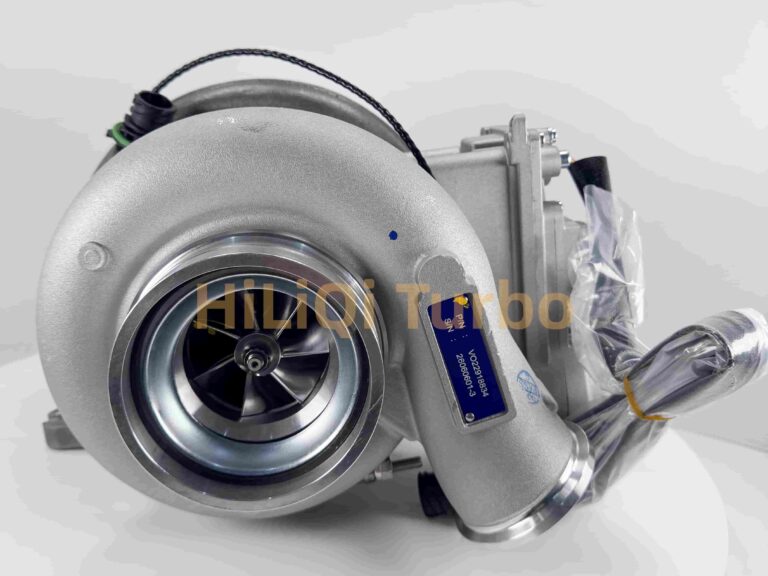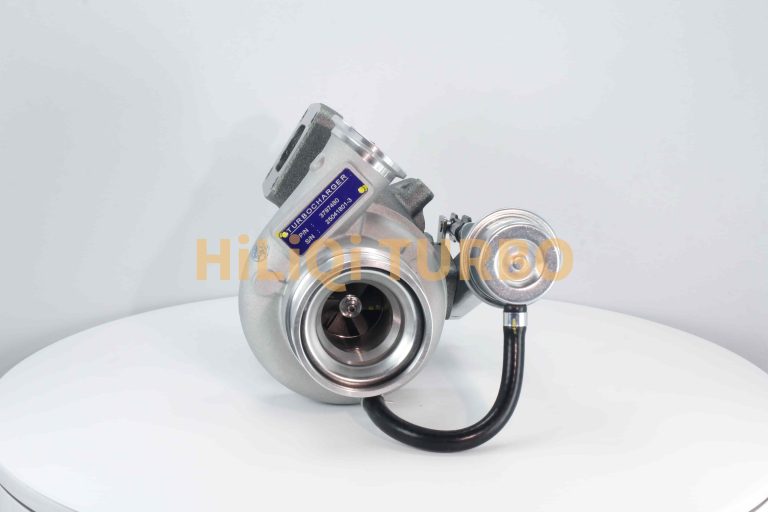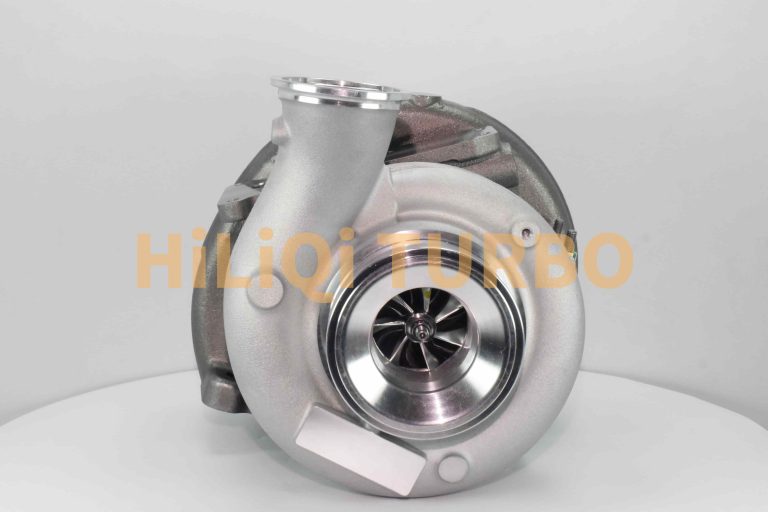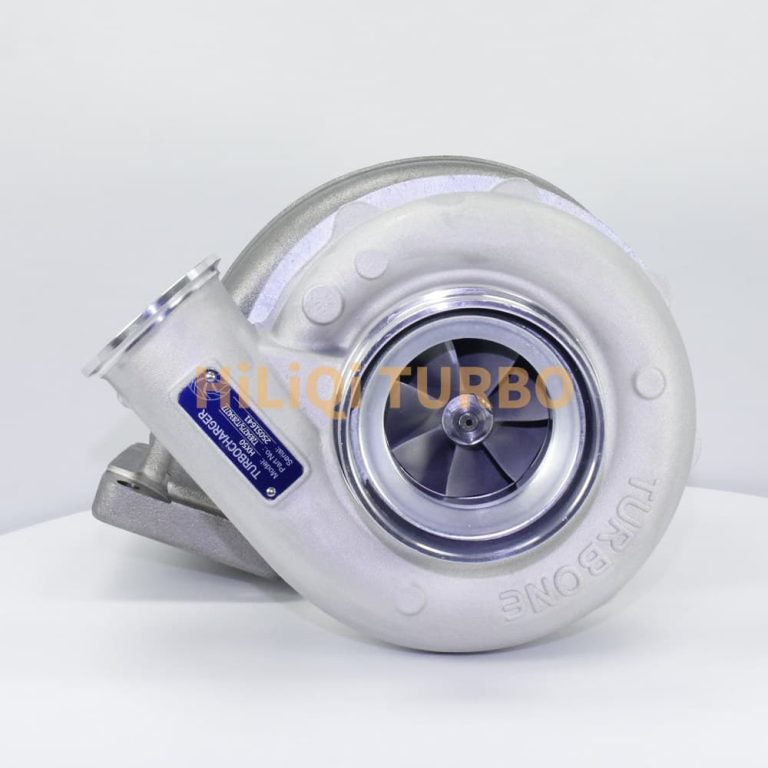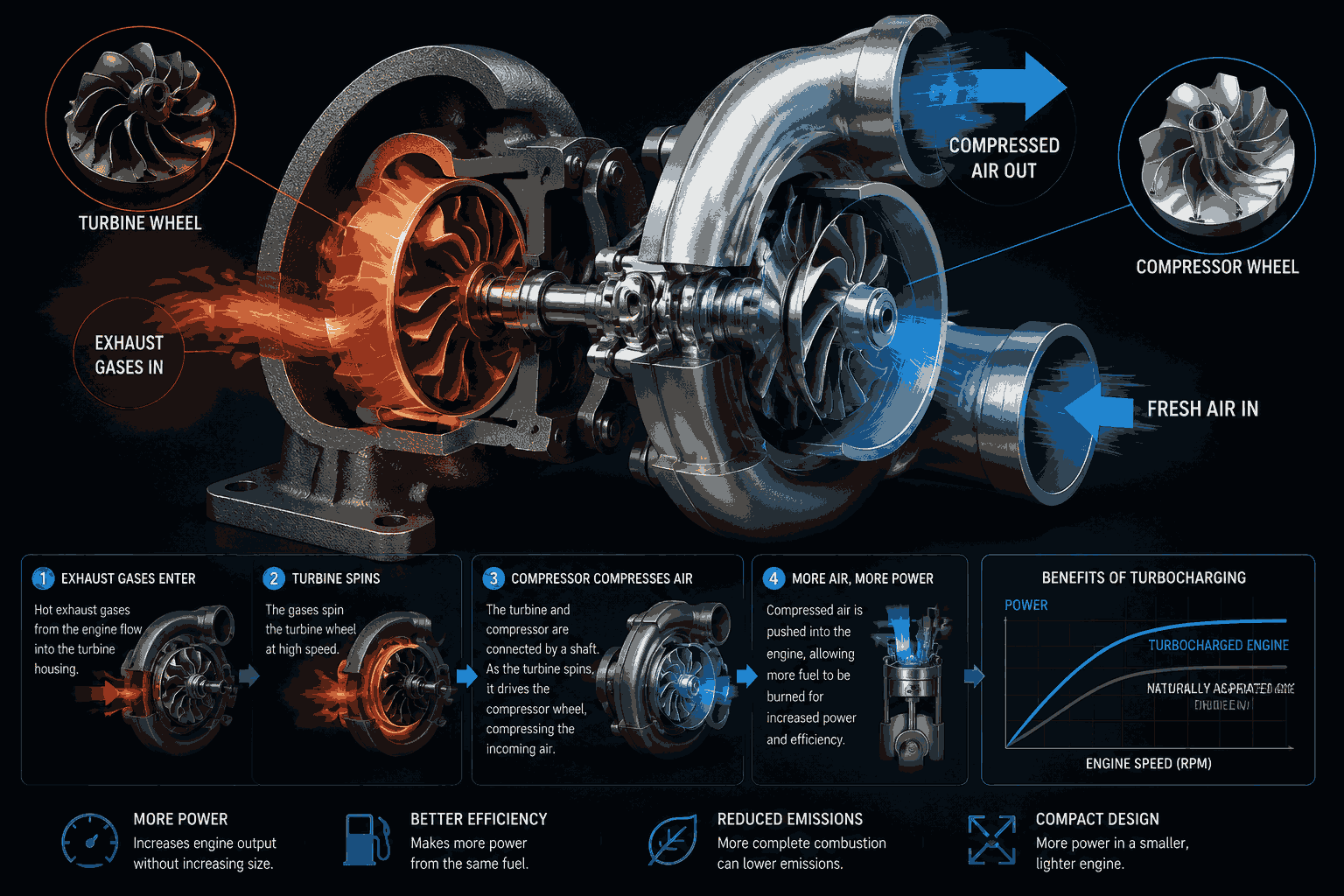
The turbocharging technology for internal combustion engines has found wide spread application and has become a mainstay for increased performance and efficiency of engines. The turbocharger uses the exhaust gas flow of the engine to drive a turbine, which is connected to a compressor. This compressor is driving forced air into the individual cylinders of the engine. Due to the increased air volume, the combustion process is more efficient. Thus, by using a turbocharger, an increase in performance is achieved without an increase in the size of the engine. Today, turbochargers are used in all types of engines for cars, boats as well as for industrial applications. The key criteria are the ever increasing environmental issues as well as the energy efficiency.
Overview of Turbocharging Technology
The turbocharger is a forced induction device which increases the air supply to the engine’s combustion chamber. By compressing the ambient air before it is admitted to the engine’s cylinders, the turbocharger allows for a higher amount of oxygen molecules to mix with the fuel which leads to a more powerful explosion during combustion. As a result of this process higher torque and more horsepower at engine’s normal operating conditions can be achieved. This is the reason why more and more forced induction devices are being used in contemporary engine designs as they are well balanced between performance and environmental issues.
Historical Development of Turbochargers
The back in the early 20th century. As for the turbochargers, which are now far art of forced induction has been around for nearly a century; mechanical superchargers appeared on the market more popular, they were first introduced to the mass market by car makers in the 1960s of metallurgy and aerodynamics led to the mass production of high-quality, light-weight turbine wheels made from heat-resistant cast iron and precise rotating parts that were suitable for wide spread use in cars. All of this has enabled the modern turbocharger to be small, efficient, extremely robust and reliable enough to handle even the most demanding operating conditions.
What Is the Basic Principle Behind a Turbocharger?
The turbocharger operates based on the forced induction principle. This principle is used to increase the engine’s efficiency by utilizing the exhaust gases for the air charge increase.
The Concept of Forced Induction
Forced induction increases the density of the air in the intake manifold by forcing it, before it reaches the cylinder, and thus allowing a greater amount of fuel to be burned for each power stroke of the engine, thus producing more power. Natural induction increases air pressure in the intake manifold only by atmospheric pressure. So, for example, a turbocharged engine can produce more power and better throttle response than a naturally aspirated engine of greater displacement, and do so without increasing displacement.
Components That Make Up a Turbocharger System
The main components of a turbocharger are the turbine, the compressor and the center housing rotating assembly (CHRA). Together these components form a complete system to enable exhaust energy to be used to drive an increased amount of air through the intake system after compression.
The Turbine Section
The turbine section is extracting energy from the exhaust gasses leaving the engine. The hot gasses flowing through the turbine housing drive a wheel attached to the shaft that drives the compressor section. The designer has to create a structure able to stand extremely high temperature while at the same time rotating at speeds of more than 100,000 RPM and in the mean time keeping the losses by friction as low as possible.
The Compressor Section
At the opposite side of the engine, the air is drawn in from the ambient temperature and then compressed before being introduced into the intake manifold. A compressor map is used by engineers to plot out a number of performance characteristics, including the pressure ratio and efficiency of the compressor over a grid defining a range of engine operating conditions.
The Center Housing Rotating Assembly (CHRA)
The CHRA joins the turbine wheel and the compressor wheel on the same shaft which is supported by high precision bearings. Also included in the CHRA are lubrication passages which supply high pressure oil for cooling and for lubrication purposes to ensure long lasting operation at high speed.
How Does a Turbocharger Operate Within an Engine System?
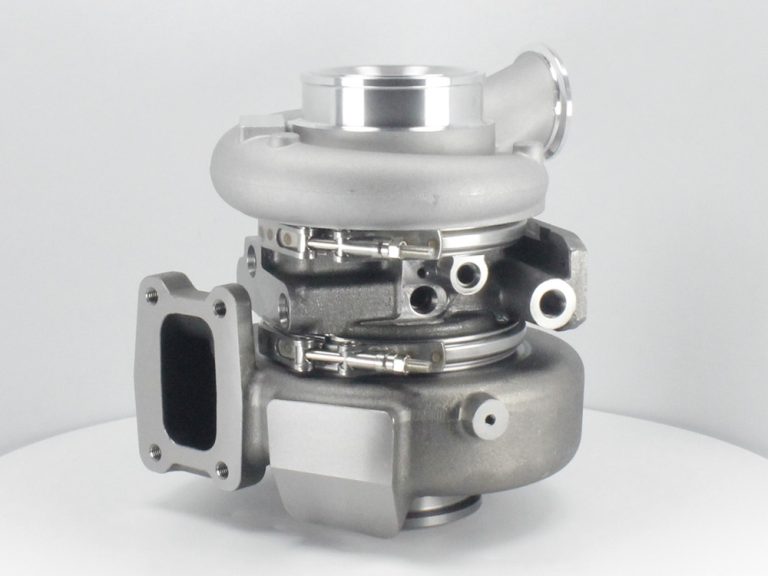
The flow of energy in a turbocharged system and how it helps to recover lost energy from the exhaust.
The Flow of Energy Through the System
The exhaust gasses from the combustion chamber are expelled through the turbine housing, where the exhaust gases are expanded through the turbine blades, producing rotation. This rotation is transferred to the compressor wheel on the intake side of the engine via the shaft. As the air is now being forced into the cylinders at much higher pressure ratios than with a non-turbocharged engine, the air is enabled to have a much more complete combustion yielding greater power for a given amount of fuel.
Boost Control Mechanisms in Turbocharged Engines
Modern systems incorporate various control systems in order to maintain safe operating pressures as well as prevent increased boost pressure that could potentially cause damage to various components.
Wastegate Functionality
A wastegate is used to control the amount of exhaust gas flowing through the turbine. It bypasses the turbine when the target boost pressure has been reached. Internal wastegates are a type of wastegate that is built into the turbine housing. External wastegates are separate valves that are attached to the exhaust manifold. These types of wastegates offer better control of boost in high performance engines
What Factors Influence Turbocharger Efficiency?
The performance of a turbocharger is not only a function of several thermodynamic properties but also of proper lubrication and thermal management.
Thermodynamic Considerations
Efficiency is influenced by several parameters such as intake air temperature, pressure ratio and mass air flow rate.Eff Operating in areas outside of the optimal compressor map zones can lead to conditions of surge or choke, which are not only detrimental to long term performance but can also cause damage to associated components.
Lubrication and Cooling Requirements
The reliable lubrication of piston rings prevents wear even at highest rotation speed. The cooling systems cool down the heat which is produced by the compression.
Oil Supply Systems
Pressurized oil is circulating through the bearing housings within the CHRA to reduce the friction lossThe. Problems of oil coking or oil starvation could occur when the oil passage is blocked and also during the start up or shut down after heavy load running if not operated according to the procedure.
Water-Cooled vs Air-Cooled Designs
A water-cooled turbocharger includes coolant passages around the bearing housings, enabling continuous-duty operation similar to that in commercial vehicles or marine applications. An air-cooled design on the other hand is used for light applications with occasional operation such as in the automotive market.
How Are Turbochargers Integrated Into Modern Engine Management Systems?
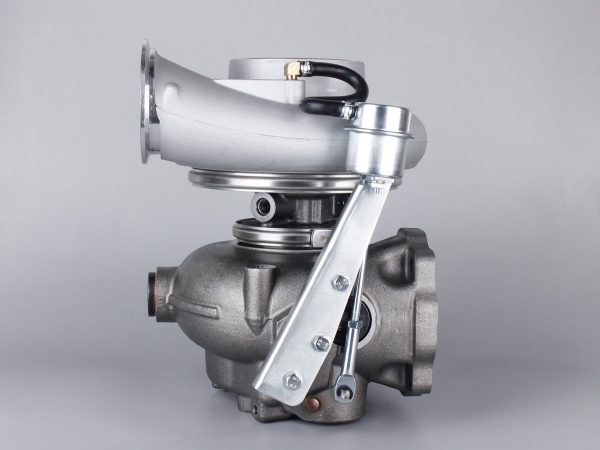
Most of today’s modern engines are fitted with electronically controlled units, or Engine Control Units (ECUs), that regulate the amount of boost in conjunction with other engine peripherals to optimize power delivery, fuel efficiency, emissions control, and overall engine reliability.
Electronic Control Strategies for Boost Regulation
The ECU monitors various sensors such as manifold pressure, throttle position and exhaust temperature and uses this information to electronically modulate the wastegate actuation or VGT vane position to ensure the correct air/fuel ratio under driving conditions is achieved whilst also avoiding problems such as detonation or overboost.
Interaction With Emission Control Technologies
Increasing engine efficiency for emission reduction by means of EGR or in combination with a catalytic aftertreatment system is successfully supported by turbocharging for the maximum achievement of combustion completeness. High-performance designs of turbocharging systems render it possible to fulfill strict emission standards of worldwide application without loss of power and without any impairing effects on driving characteristics.
What Are Common Challenges in Turbocharger Operation?
Although turbochargers have several benefits, the mechanical stress and the thermal cycling effect present several operational challenges.
Mechanical Stress and Material Fatigue Issues
Operating at high speeds for long periods of time coupled with occasional high loads can cause increased wear to bearings or unbalance the shaft. Careful manufacturing accuracy for the initial balance is carried out, however normal servicing will still be required to guarantee long life of these parts.
Heat Management Problems in High Performance Applications
Thermal stresses could pose major problems to the durability of high-performance engine equipped with large turbocharger.
Thermal Cracking Risks
In manifolds due to differential expansion between adjacent sections of metal.
Intercooler Efficiency Limitations
High Intake Air Temperatures resulting from inadequate intercooling will reduce charge density and increase the engines susceptibility to knock. Consequently, even with increased boost pressure, there will be little increase in power from increased boost.
Who Is Beijing HiLiQi Turbocharger Manufacturing Co., Ltd.?
Beijing HiLiQi Turbocharger Manufacturing Co., Ltd. is an automotive, marine and industrial specialist manufacturer providing high-performance turbochargers for global markets. Beijing HiLiQi Turbocharger Manufacturing Co., Ltd. range comprises of single-turbine single-stage turbochargers which are ideally suited for Passenger Car applications, together with twin-scroll high pressure ratio turbine designs, including variable geometry turbochargers. Operating from fully-equipped test facilities the company has developed strategic partnerships with a large number of leading OEM’s world-wide. It provides them with a reliable supply of high quality, advanced turbocharger products which are specifically designed to exacting engineering specification.
Conclusion
The previously wasted exhaust energy from an engine’s exhaust into a usable force for improving efficiency of the engine’s turbocharger is an excellent example of a mechanical innovation. Here, the engineer has managed to transform the air intake. In its most basic form, the forced induction system utilizes the principles of aerodynamics andos have reached extremely efficient levels of operational performance. Today, these excellent systems are in use all over uses robust materials within its construction. Together with intelligent management from a range of electronic systems, current turb the world in both small passenger cars, and large industrial systems, enabling environmentally clean combustion processes and enhanced engine efficiency, power output, and overall fuel economy.
FAQs
What Is the Difference Between a Turbocharger and a Supercharger?
A by the engine’s crankshaft. As a rule turbochargers are more efficient than superchargers turbocharger is a compressor driven by the engine’s exhaust gases, while a supercharger is mechanically driven but have a delayed reaction compared to the mechanical boost provided by a supercharger.
How Often Should a Turbocharged Engine Be Serviced?
Using the correct oil for your car and having it changed regularly is vital. As for the inspection frequency, it is largely determined by the intensity of usage and normally in line with typical engine service intervals for your car.
Can Any Engine Be Fitted With a Turbocharger?
Not all engines are structurally suitable to forced induction and may need to be modified to strengthen internal components, to reduce compression-ratio or to up-grade cooling system.