Choosing a reliable turbocharger supplier for your business is not just about offering competitive prices for the required number of products. In addition to manufacturers of complete engines, there are also numerous other customers for turbochargers, for example, repair shops, distributors, as well as companies and fleets offering services to vehicles. For them, the supplier certifications are an important criterion for assessing the quality of their supplier with regard to the organization’s quality management, the control of the production process, the tests carried out on the turbocharger as well as the documentary management. A robust quality certification system for turbochargers therefore allows to reduce numerous potential risks, linked to the variability of the components, incorrect technical characteristics, to the warranties not being honored, and supply disruptions. But how to correctly evaluate the different certifications granted to a supplier? First, it is necessary to distinguish a factory certification from a test report for a specific product and from a supplier declaration.
Why do certifications matter when selecting a turbocharger supplier?
Supplier certifications give buyers an impression of a supplier’s manufacturing processes, inspection and test procedures and quality control. Certifications do not replace a detailed technical evaluation. They provide relevant information during supplier evaluation.
How do certifications reduce turbocharger procurement risks?
Turbochargers are subject to high temperature, high speed and lubrication demands. Differences in manufacturing of components like turbine wheel, compressor wheel, bearing, seal and housing, can affect turbocharger’s performance and life.
When buyers evaluate suppliers, they usually review quality systems, inspection procedures, traceability documents, and production controls. A supplier with a structured quality system may provide clearer records for incoming materials, machining processes, assembly procedures, and final testing.
Are all certifications equal for turbocharger suppliers?
No. Certifications are for different things. A management system certification proves that a company is running with defined processes. A test report for a specific product is checking the performance of this particular product. A material certificate is giving a guarantee for the properties of a material. These documents are not to be mixed up with each other.
IATF16949 Certified Turbocharger Suppliers / Manufacturers. Note: IATF16949 turbocharger supplier refers to supplier with automotive quality management system. Each turbocharger model does not necessarily go through vehicle specific validation tests.
Which certifications should buyers check for turbocharger suppliers?
The certification checklist for a given certification check is determined by the buyers’ market/segment, the application for which the parts will be used and the customer’s requirements. Parts intended for use in the automotive market typically require more stringent quality documentation than parts intended for use as replacement parts.
What does IATF16949 mean for turbocharger manufacturing?
IATF 16949 is the new automotive quality management system standard developed by the International Automotive Task Force. This standard contains requirements for defect prevention, for continuous improvement for customer specific requirements and for quality control of the automotive supply chain.
When a buyer is searching for a IATF16949 turbocharger manufacturer the IATF16949 certification can indicate that the potential supplier has a documented quality management system that is applicable in the automotive production environment. However always verify if the certificate is still valid, what is the scope, where is it being manufactured and is the whole production process of the turbochargers covered by this certificate.
Which other documents should buyers review?
Beyond verifying a supplier’s quality management certification, a buyer would also like to verify product verification and manufacturing control. A number of typical documents can be provided for this purpose.
| Document type | What it helps verify |
| Quality management certificate | Supplier process control |
| Material certificate | Alloy and material traceability |
| Dimensional inspection report | Component accuracy |
| Performance test report | Turbocharger operating verification |
| Warranty policy | After-sales responsibility |
Importance of each document depends on application. Passenger vehicle replacement of a turbocharger requires different documentation than an OEM engine rebuild.
How should buyers evaluate turbocharger quality certification claims?

Verification of certification claims against actual supplier and product scope is key to avoiding procurement mistakes. Many such mistakes occur because buyers merely recognize a certificate logo whereas they have not checked what is actually covered by said certificate.
What should buyers confirm about certificates?
Buyers must verify the issuing organization, certificate number, validity period, and company name listed on the certificate, as well as the factory address and scope of certification. The certified company name should match the actual company involved in production at the factory.
A certificate held by a trading company does not necessarily prove that the factory making the turbocharger has a quality system of the same calibre.
Why should product testing still be required?
Quality system certification is not a substitute for product testing. In particular for turbochargers it is necessary to test mechanical fit, balance, oil, boost etc. in actual operation.
Before bulk orders, experienced buyers often request samples, inspection reports, dimensional checks, and application compatibility confirmation. Testing the actual model is especially important when replacing an original turbocharger with an aftermarket version.
What technical quality factors should buyers check besides certification?
Supplier evaluation is more than just certification. For turbochargers, the key to their performance is engineering and consistency in production.
Which turbocharger components require attention?
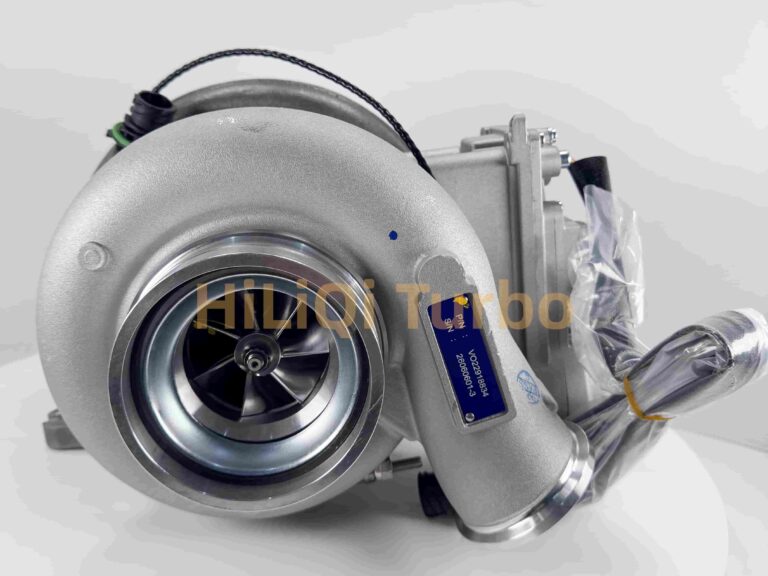
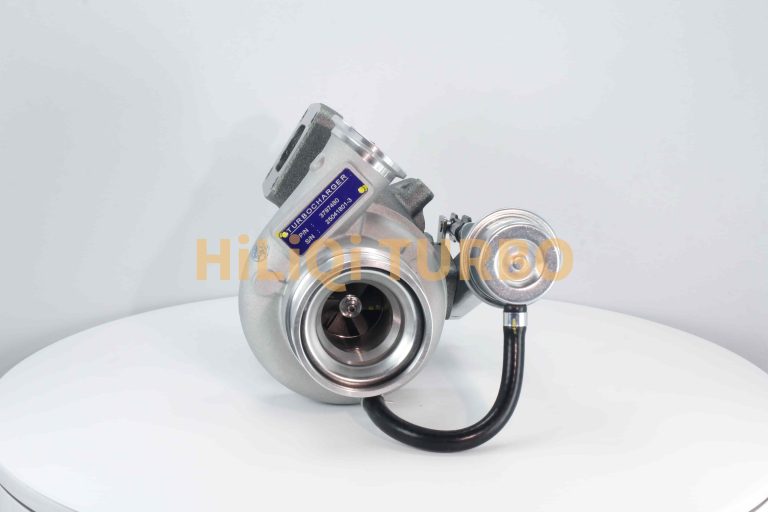
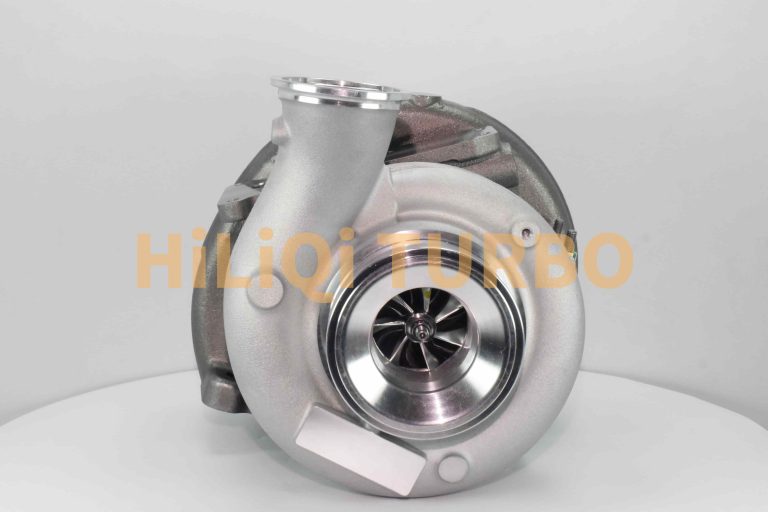
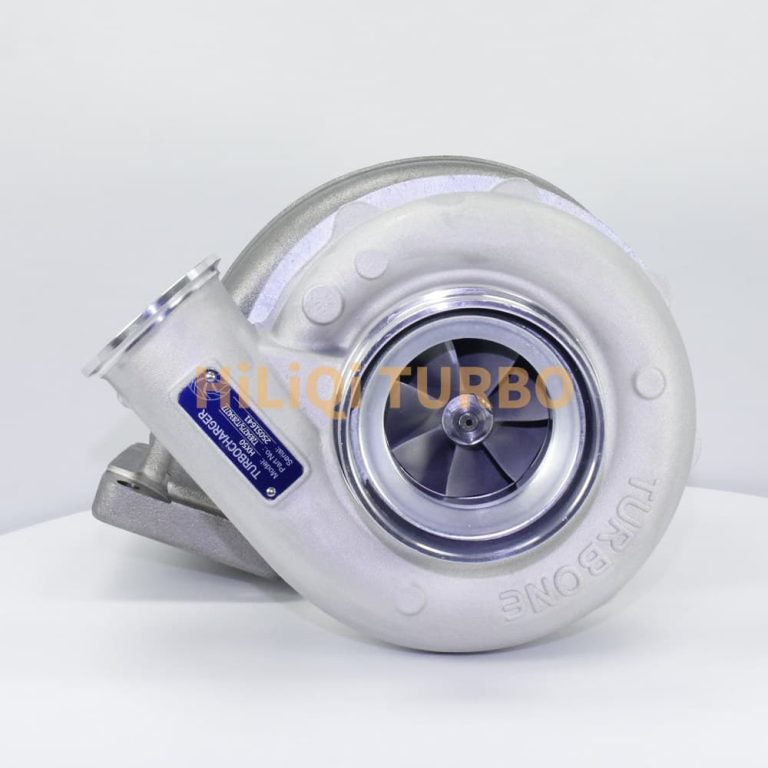
These important components are: the compressor wheel, the turbine wheel, the center housing rotating assembly (CHRA), the bearings, the seals, the actuator, and the housing dimensions. Buyers must verify the individual components to ensure they are suitable for the intended engine.
A physically fitting turbocharger does not necessarily mean to have the correct calibrations, appropriate materials or required performance characteristics.
What production controls influence reliability?
Controls during manufacturing such as Machining Accuracy, Balancing, Cleanliness, Dimension and surface inspection as well as final testing all affect the reliability of the turbocharger.
It is better for buyers to ask for the inspection points during the production than to ask for a final certificate only. This way buyers can know whether possible problems have been prevented or only have been detected after production.
How can buyers compare turbocharger suppliers before placing orders?

A structured evaluation of suppliers can help prevent quality defects and hidden costs.
What should a turbocharger supplier checklist include?
Before approval, buyers can review:
- Product compatibility with engine models
- Quality management certification scope
- Material traceability
- Component inspection methods
- Balancing and testing procedures
- Sample approval process
- MOQ requirements
- Lead time
- Packaging protection
- Warranty conditions
- Spare parts availability
A simple checklist to compare suppliers on consistent criteria for the procurement team.
How do after-sales support and documentation affect supplier selection?
After delivery of the repair project for the turbocharger replacement, most of the technical questions are asked after delivery. Information about the installation, warranty, troubleshooting, and availability of replacement parts.
It is easier to work with a supplier that provides complete documentation during long-term cooperation. Above all distributors and repair networks will benefit from this.
Which supplier can support turbocharger sourcing requirements?
Beijing HiLiQi Turbocharger Manufacturing Co., Ltd. is a Chinese manufacturer of turbochargers. Beijing HiLiQi supports potential buyers who are looking for suitable products or a supply for turbochargers. For buyers searching for suitable suppliers cooperation starts with a technical matching followed by the provision of detailed product documents. Moreover companies present their quality features, delivery terms and after sales service. In addition relevant certifications need to be presented together with the required product specifications, test reports and a offer including a reasonable price as well as terms and conditions for the services. However, in general it is recommended to contact and compare several potential suppliers in detail before making a purchase decision.
Conclusion
Selecting the correct supplier of turbochargers is more than just checking if a supplier has a certificate displayed on his website. A proper evaluation consists of the quality management system, test reports of the respective product, the technical compatibility, the manufacturing process and the after-sales service. Even if a supplier of IATF16949 certified turbochargers has a stronger quality framework, it must be checked if the certification also applies to the respective product and if it is granted for the complete production process. A supplier must be able to provide the necessary documents and must maintain a stable manufacturing process. A careful check of potential suppliers can prevent defects in operation, failures and problems with the after-sales service.
FAQs
1. What certification should a turbocharger supplier have?
Obtaining an automotive quality management certification such as IATF16949 for automotive supply chains is important but also verify product testing and manufacturing documents.
2. Does IATF16949 guarantee turbocharger quality?
IATF16949 is a certification that shows that a company has a quality management system in place. However, the quality of the end product is strongly determined by the design, the materials used, the manufacturing accuracy and the tests performed.
3. What documents should buyers request from a turbocharger supplier?
Ask to be provided with certificates, material information, test reports, product specifications, test records, warranty information and information about compatibility.
4. Why is product testing important when buying turbochargers?
The testing and evaluation of the turbocharger will confirm that the turbocharger is a suitable match for the engine application. It will also confirm the performance of the turbocharger under various operating conditions.
5. How can buyers compare different turbocharger suppliers?
A comparison of the scope of the certification, the technical capabilities, the documentation for the respective products as well as the test results for samples, the prices, the delivery terms and conditions, the warranty and the after-sales service.