A new turbocharger can pass the factory acceptance test and then arrive at the customer with bent connections, open casings, damaged actuator parts or with an un-readable part-tag. “Standard export packing” is too vague a term and must be exactly defined by the buyer, including what has to be protected, how the item can be fixed in the box, which identification marks have to be visible and how a box can be allocated to an order. The aim is to protect the approved configuration of the item during transport and to detect any possible damage before the item arrives at the workshop.
What Should the Packaging Specification Protect on a Complete Turbocharger?
In addition to the cast housing parts of a turbocharger, there are several exposed parts which must be treated with some care. The particular items listed here are ports, flanges, control items, and points on the rotating side of the turbine and compressor.
Start With Ports, Flanges, and Exposed Connections
Oil-feed and oil-drain openings should be clean and protected from oil leaks, dirt, packing material etc. Coolant connections that are fitted should also be clean and protected from leaks, dirt, packing material etc. Caps or plugs should remain in position during transportation, storage and vibration etc.
The mounting flanges and machined faces of a unit should not be expected to carry the weight of another unit. Where units are shared in crates they must be separated to prevent housing contact.
Components such as actuators, solenoids, speed sensors and electrical connectors require space within the carton and a control component could be damaged against a carton wall even when the main housing appears to be undamaged.
How Should Buyers Specify Restraint, Moisture Protection, and Internal Packing?
Movement within the box: Export packaging needs to withstand repeated pick-up, road transport, warehouse relocation and occasional sea travel. A static unit within a carton is not effectively protected.
Restrain the Unit Without Loading Sensitive Parts
Instead of going through the actuator rod, sensor body, compressor inlet or other exposed parts, support the turbocharger around its housing. The buyer does not have to specify the insert details, but the RFQ should require the supplier to explain how the unit is fixed in place.
For long-distance transport, packing in sealed condition, outer packing of moisture resistant material, use of desiccant etc. may be required depending upon the mode of transport and storage. State the transport mode and if cartons can be left in unsupervised storage.
For mixed orders, application categories can be used to split up engine orders from equipment orders in purchasing order records prior to generating the packing instructions.

What Product Information Should Stay Visible on Every Box?
In addition to that, the packaging is also an identification system. Nobody should have to open cartons to see what is in them. This would be particularly disastrous if several similar models are contained in one delivery.
Put Searchable Part Information on the External Label
A practical label can include the supplier reference, turbo model, OEM number, turbo part number, engine model, quantity, and purchase-order line. If the customer uses its own SKU, it can appear as a second reference rather than replacing the technical identifiers.
| External Label Field | Why the Buyer Needs It |
|---|---|
| Supply or supplier number | Connects the box to the supplier record |
| Turbo model | Separates similar turbo families |
| OEM number | Supports OE cross-reference checks |
| Turbo part number | Helps receiving and aftermarket search |
| Engine model | Reduces application confusion |
| Purchase-order line | Links the carton to the commercial order |
| Box or serial reference | Supports traceability and damage reports |
Keep these identifiers consistent on the packing list and product label where applicable. Unexplained old or superseded references slow receiving and increase mistakes.
How Should Multi-Model Shipments Be Organized for Faster Receiving?
Different models can be delivered on one pallet, in the warehouse they have to be separated, counted and registered for stock holding as quickly as possible.
Group the Shipment Around the Receiving Process
Where practical, cartons for the same model should stay together, and pallet labels should show which part numbers are included. If models must be mixed, the pallet list should identify carton numbers and quantities clearly enough for the warehouse to check the load without opening units at random.
Identification of parts like gaskets, actuator parts, clamps etc. also needs to be indicated. This can be done by indicating them as inner parts of an unmarked inner box.
For private-label or special packing projects same care has to be taken for packaging revisions as for product specifications. For OEM/OES projects special packaging requirements apply for customized labels, cartons, inserts etc. for shipment identification.
What Should Buyers Inspect Before Accepting the Export Shipment?
The packaging requirement is only useful if the receiving party knows what to check against. This does not require disassembly of the turbocharger and will be verified against order by incoming inspection for condition and identification only.
Check the Package Before the Product Goes Into Stock
Inspect the carton or crate for signs of physical damage such as crushing or punctures, exposure to water, broken pallet restraints or evidence that it has shifted. Check the external label against the packing list prior to opening the carton.
After the opening of a packaged product ensure that all protective caps are in position, the turbocharger is securely supported and there are no signs of damage to exposed surfaces. On products fitted with an actuator, check the actuator, sensor, connector and linkage area before placing into general stock.
If damage is found, record the carton or traceability reference and photograph the packing before rearranging anything.
Subsequent to agreeing the receiving controls with your supplier, you will also want to check that the Supplier can supply identical product identification and packaging on subsequent reorders of identical products.

Need Help Matching Product Identification With Export Packaging Requirements?
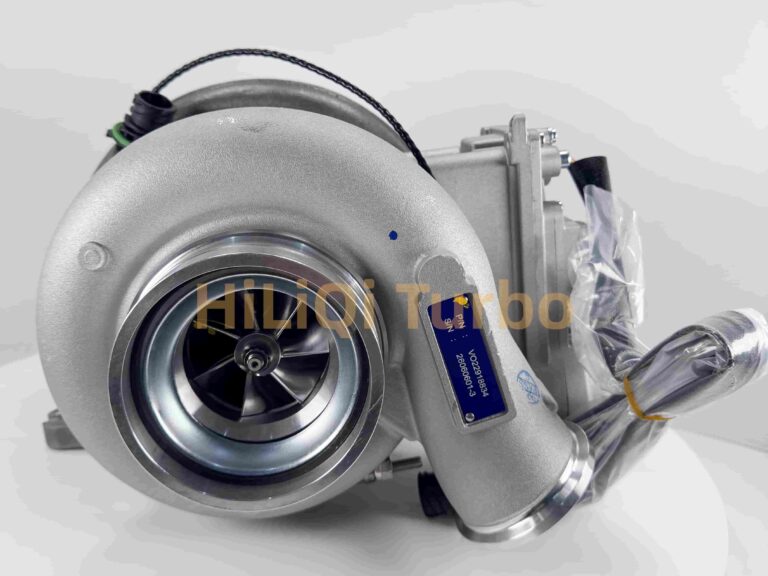
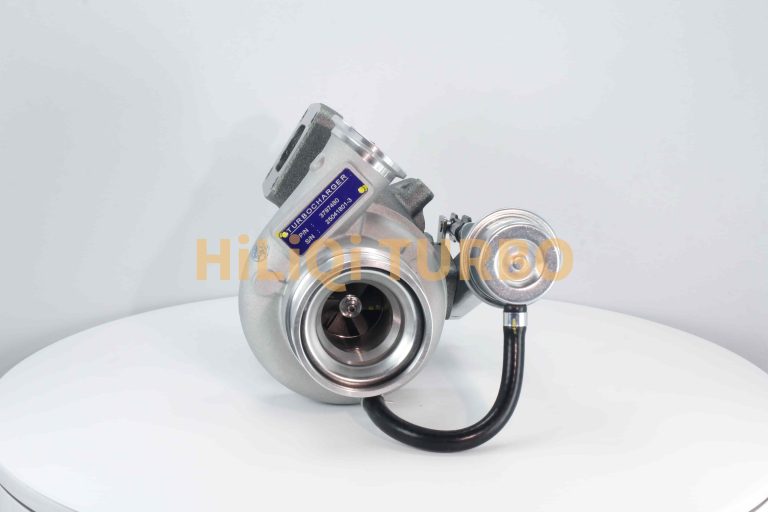
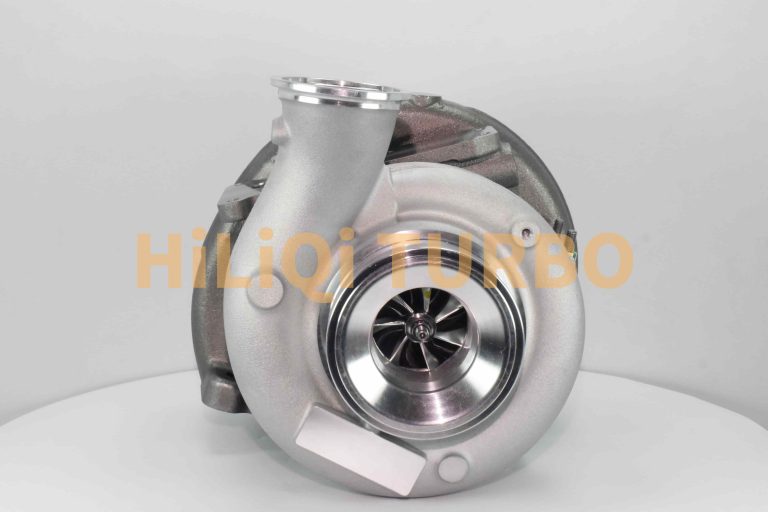
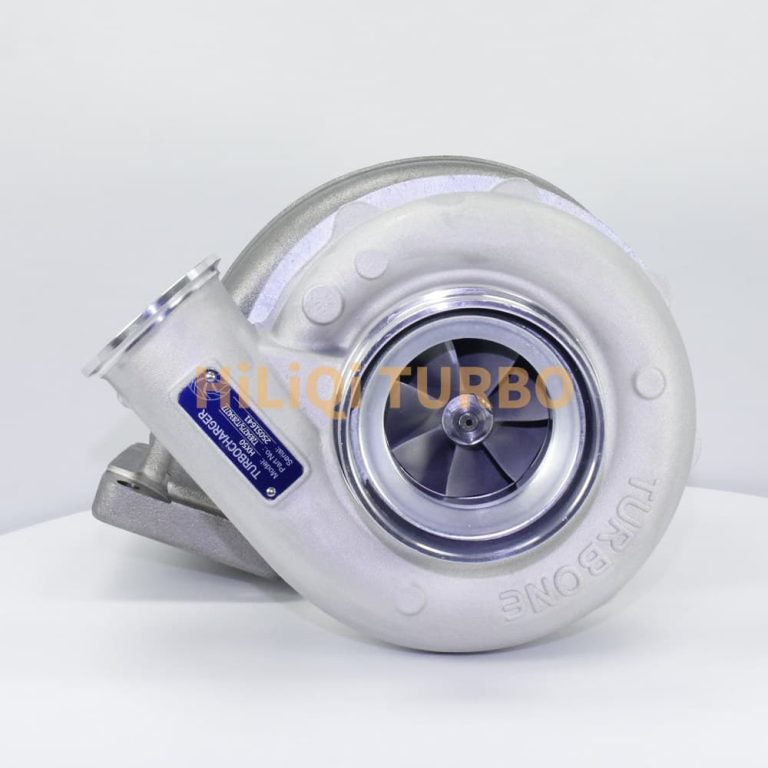
Пекинская компания по производству турбокомпрессоров HiLiQi. ties packaging and shipment requirements to model-level identification in the product catalog. Reference to the HE400VG turbocharger for Volvo MD11 construction equipment is currently supplied as Supply No. BT81691, Engine Model MD11, Turbo Model HE400VG, OEM No. 22918834, and Turbo Part No. 5355479, 6454582, 5355489 corresponding to VCE Construction applications. Packaging for this product will need to protect the turbocharger body as well as any control-related components with exposed interfaces. Review of the manufacturer’s capabilities for producing and testing the turbochargers can also be documented as part of the pre-shipment records.
Заключение
The export packaging for replacement turbochargers has to protect the approved article and have to be identifiable when it arrives with the buyer. The ports, machined faces, actuators, sensors and the electrical connections have to be protected against contact, movement, dust and moisture. The labels have to contain the relevant part information for the receiving department and for traceability purposes. This information has to be agreed with the buyer prior to a bulk shipment, i.e. for the restraint method, the moisture protection, the relevant fields on the labels, the packaging of accessories and the incoming-inspection procedure and not refer to an undefined “standard export packing”.
Часто задаваемые вопросы
1. Should oil and coolant ports be capped during export shipment?
It does use caps or plugs on supplied ends to keep dirt, loose packing material and moisture out of ports during shipping and storage. Such caps or plugs should remain securely in place during shipping and be easily removable without leaving any debris in the end connection.
2. Which part numbers should appear on the turbocharger carton?
List the identifiers required to verify a particular order, i.e. supplier number, Turbo model, OEM number, turbo part number and engine model. If the buyer uses an internal SKU number, keep the above-mentioned technical data identifiers in addition to the SKU number and do not replace them with it.
3. How should actuator-equipped turbochargers be packed?
To prevent components such as the actuator, linkage, solenoid, sensor and connector from picking up package weight or coming into contact with the carton, the internal support will be designed around the packing arrangement of the control components. The design will ensure the components are protected and easily visible after opening of the package.
4. Is moisture protection necessary for every export order?
The required moisture protection level will depend on various factors such as transport mode, route, storage time and warehouse conditions. It is important that the buyer informs the supplier whether the goods will be shipped by sea or stored in a warehouse which is not under the supplier’s control, in order to agree upon the required moisture protection method.
5. What should a warehouse photograph if a turbocharger arrives damaged?
Take photos of the outer carton or crate, the condition of the pallet and shipping label, the internal packaging and any protective caps, before re-opening the carton and re-arranging its contents. Ensure that the report includes reference to the carton serial number or traceability reference so that it can be cross-referenced against the relevant shipment record.