Building a competitive turbocharger product portfolio is not simply about adding more part numbers. For distributors, importers, and aftermarket suppliers, the challenge is finding the right balance between product coverage, inventory risk, application demand, and supplier support. A strong portfolio should help customers quickly find suitable turbochargers for different engine brands and applications while keeping purchasing and stock management practical.
For businesses entering or expanding in the turbocharger market, the key decisions are usually not only “which products can we sell?” but also “which applications should we cover first?”, “how can we avoid slow-moving inventory?”, and “how can we build a reliable supply structure for long-term growth?”
How Should Distributors Define Their Turbocharger Product Portfolio Strategy?
A product portfolio should be built around customer demand rather than simply collecting a large number of turbocharger references. The most effective approach starts with understanding the markets, equipment types, and customer groups a distributor serves.
Identify the Main Customer Applications
Different customers purchase turbochargers for different reasons. A construction equipment repair company may need fast access to replacement units for excavators and loaders. A truck parts distributor may focus on commercial vehicle engines. Industrial customers may require solutions for generators, marine engines, or specialized diesel equipment.
- Before expanding inventory, distributors should analyze:Existing customer industries
- Most common engine brands in the target market
- Equipment operating hours
- Replacement frequency
Local aftermarket demandA portfolio designed around actual applications is usually more valuable than one based only on the number of available models.
Balance Product Coverage and Inventory Investment
Too few products can limit sales opportunities, but too many slow-moving SKUs can increase storage costs and reduce purchasing efficiency.
- A practical portfolio often includes:High-demand replacement turbochargers
- Popular engine brand applications
- Common commercial and industrial models
- Products with stable aftermarket demand
Special-order options for less frequent applicationsThis structure allows distributors to provide fast solutions for common requests while still supporting customers with broader sourcing capability.
Which Turbocharger Product Categories Should Distributors Consider?
A competitive portfolio usually requires coverage across multiple application areas instead of relying on a single market segment.
Cover Different Engine and Equipment Applications
- Distributors can consider building product groups around:Passenger and commercial vehicles
- Construction machinery
- Agricultural equipment
- Marine engines
- Industrial diesel engines
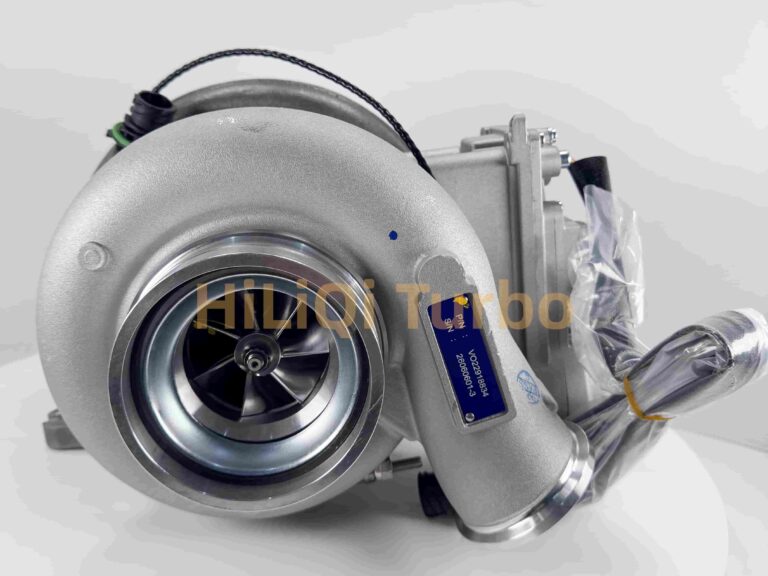
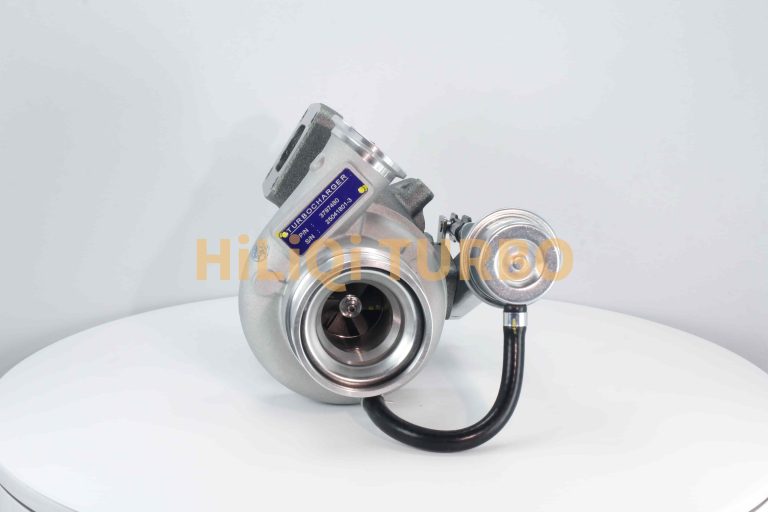
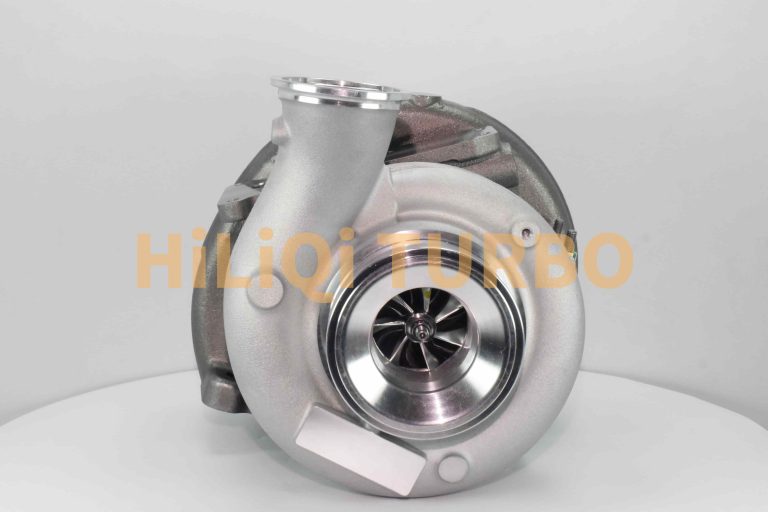
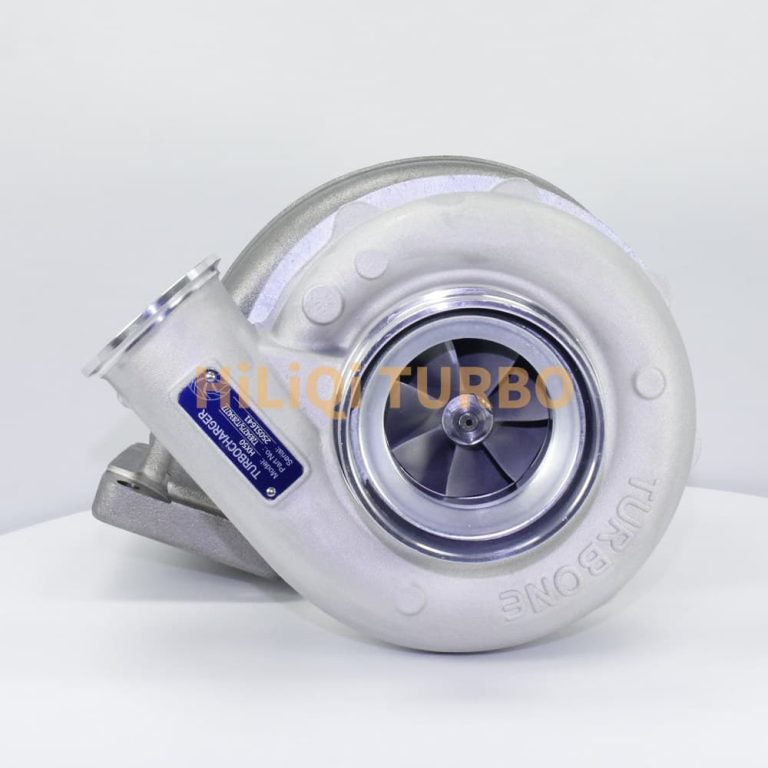
Power generation equipmentHiLiQi’s turbocharger applications cover different equipment categories, helping buyers review potential product directions according to real operating environments.
Develop a Recognizable Product Structure
- Customers often prefer suppliers who can organize products clearly. A well-structured catalog can separate products by:Engine brand
- Equipment type
- Turbocharger model
- OEM reference number
Application categoryFor example, a buyer searching for a replacement unit should be able to move from an engine requirement to a suitable turbocharger option without unnecessary uncertainty.
How Can Distributors Select Products That Match Market Demand?

Market demand changes between regions. A product that sells quickly in one country may move slowly in another because equipment populations, industries, and maintenance habits are different.
Analyze Existing Customer Requests
- Customer inquiries are one of the most valuable sources of portfolio planning information. Distributors should track:Frequently requested turbocharger models
- Repeated engine brands
- Unavailable products requested by customers
- Replacement frequency
Competitor product gapsOver time, this data can reveal which products deserve inventory investment.
Use Application Knowledge Instead of Only Part Numbers
Part numbers are important for matching, but distributors who understand applications can provide better service.
- A customer may not always know the exact turbocharger reference. They may only provide:Equipment model
- Engine model
- Working environment
Required quantityA supplier that understands application relationships can help distributors respond faster and reduce incorrect orders.
What Supplier Capabilities Help Build a Strong Turbocharger Portfolio?
A distributor’s product strategy depends heavily on supplier capability. A wide product range is only useful when supported by consistent product information, technical communication, and production support.
Evaluate Product Range and Supply Flexibility
A suitable supplier should be able to support different customer requirements, including standard replacement products, application-specific models, and larger purchasing programs.
- Important factors include:Available application coverage
- Cross-reference support
- Product documentation
- Sample confirmation process
- Packaging requirements
Communication efficiencyFor distributors working with multiple markets, supplier flexibility can directly affect customer satisfaction.
Consider OEM/OES and Custom Requirements
Some distributors eventually develop their own brands or require customized packaging. In these cases, supplier cooperation becomes more important.
HiLiQi’s OEM/OES service provides a reference point for businesses that need support beyond standard product purchasing, including customized cooperation requirements and project communication.
How Can Distributors Improve Profitability Through Portfolio Management?

A larger product range does not automatically create better business results. Profitability depends on selecting products that generate sustainable demand and reducing unnecessary inventory pressure.
Focus on Total Business Value
- When evaluating products, distributors should consider:Purchase cost
- Market demand
- Inventory turnover
- Customer repeat potential
- Warranty risk
Supplier response timeThe lowest purchasing price is not always the best option if it creates higher return rates or customer dissatisfaction.
Build Long-Term Product Planning
Successful distributors usually review their portfolio regularly. They may expand into new application areas, remove slow-moving products, and increase investment in categories with stronger demand.
A flexible portfolio allows businesses to respond to changing aftermarket conditions while maintaining operational efficiency.
What Should Distributors Expect From a Long-Term Turbocharger Supplier?
Empresa fabricante de turbocompresores Beijing HiLiQi, Ltd. supplies turbocharger products for different engine and equipment applications. For distributors, a valuable supplier relationship depends on more than product availability. Clear application information, product matching support, quality control procedures, and communication during purchasing projects help reduce uncertainty when expanding a product portfolio. Buyers can provide engine details, turbocharger references, application information, and purchasing requirements to evaluate suitable product options. A structured supplier relationship allows distributors to develop a more practical catalog while supporting different customer segments.
Conclusión
A competitive turbocharger product portfolio is built through careful market analysis, application understanding, and supplier cooperation. Distributors should focus on the right product coverage instead of simply increasing SKU numbers. By organizing products around customer demand, managing inventory carefully, and selecting suppliers with strong application support, businesses can create a portfolio that supports long-term aftermarket growth.
Preguntas frecuentes
1. How many turbocharger models should a distributor stock?
There is no fixed number. The right portfolio depends on target markets, customer demand, engine populations, and inventory capacity. Start with high-demand applications and expand based on sales data.
2. Should distributors focus on specific engine brands or multiple applications?
A balanced approach is usually more practical. Strong coverage of popular engine brands can create faster sales opportunities, while broader application coverage helps serve more customer groups.
3. How can distributors reduce the risk of slow-moving turbocharger inventory?
Analyze customer requests, sales history, regional equipment populations, and replacement frequency before purchasing. Regular portfolio reviews also help remove products with limited demand.
4. Why is application knowledge important for turbocharger distributors?
Customers may not always provide exact part numbers. Understanding engine types, equipment applications, and matching requirements helps distributors provide more accurate solutions.
5. What should distributors look for in a turbocharger supplier?
Distributors should evaluate product coverage, application support, communication, quality procedures, customization options, and the supplier’s ability to support long-term business development.