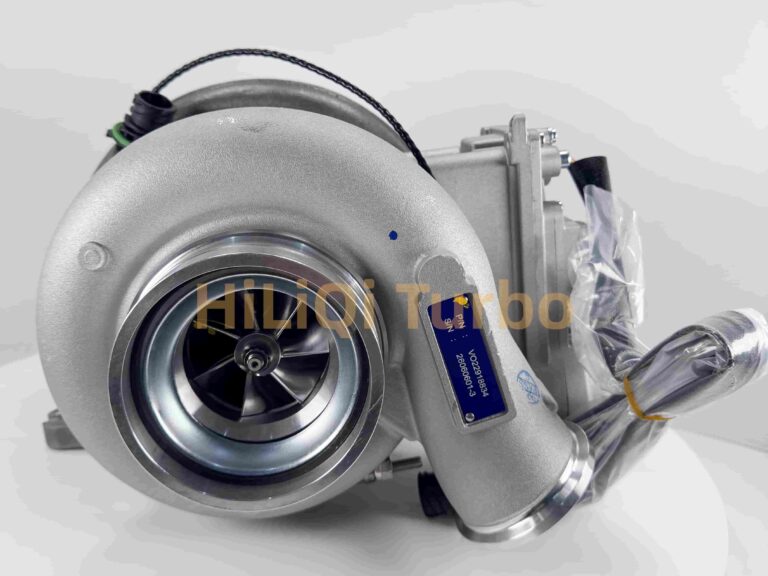
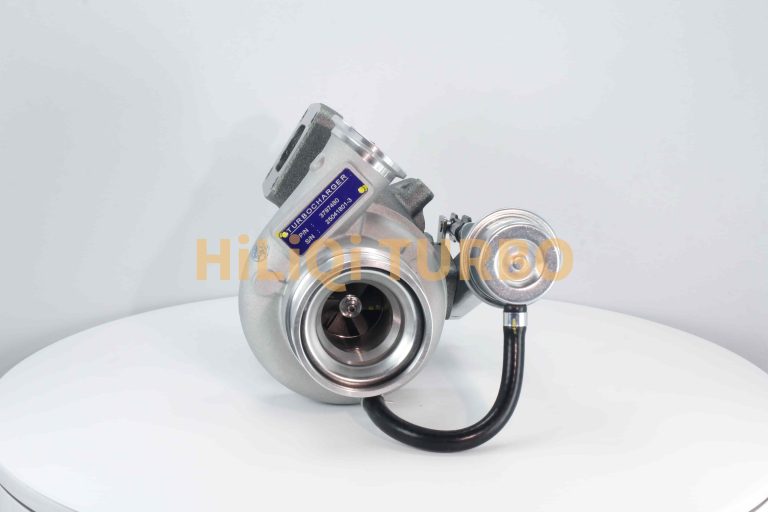
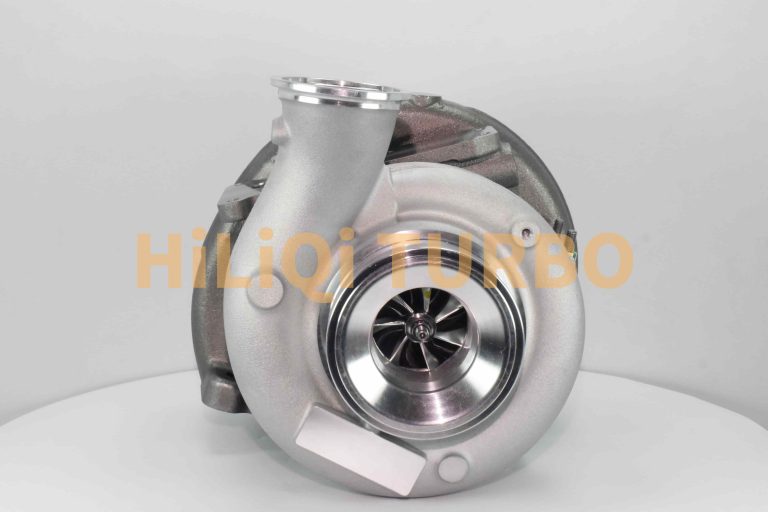
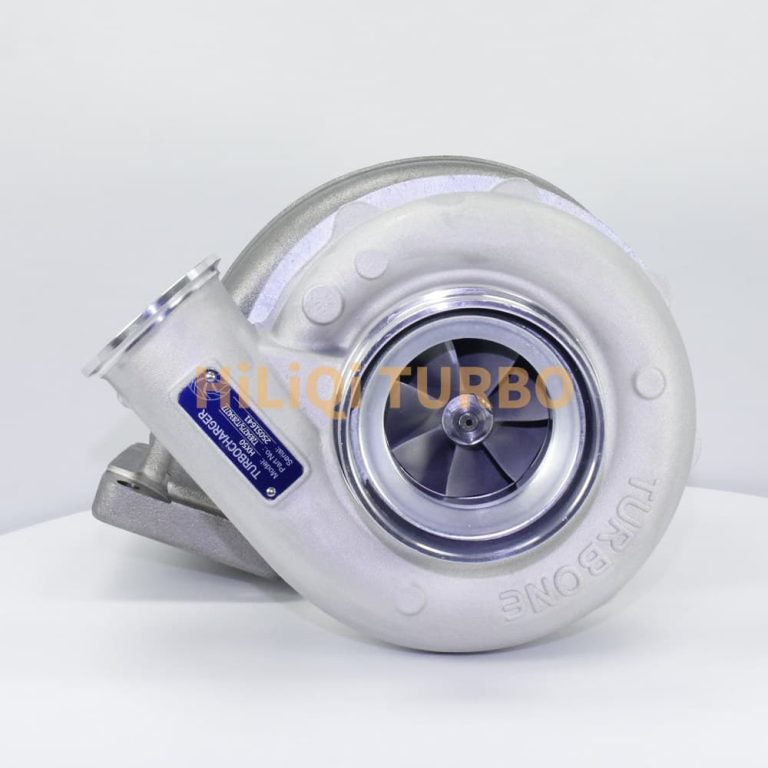
Marine Turbocharger Solutions – Turbocharger Advice for Commercial Shipyards
The choice of a turbo for commercial vessels is not always a matter of finding a similar flange size and a closest cross-reference. A tug boat spending most of its time at low rpm with frequent surges in demand will have different requirements to a coastal freighter maintaining high rpm for extended periods of time. The correct marine turbocharger solutions start with engine rating, vessel profile, current turbo identification, air and exhaust system, lubrication and service profile. Specifying these details correctly prior to ordering will usually save the buyer, be they a public or private shipyard, distributor or marine repair, time and money spent fixing low boost, oil leaks or reoccuring failures post-installation.
What Should Buyers Define Before Selecting a Marine Turbocharger?
Start with the vessel’s operating profile. Two engines from the same family may not work under the same rating or load pattern, and that can change the turbo specification required.
Define the Vessel Duty Cycle
A practical RFQ should indicate whether the engine is intended for main propulsion or for auxiliary purposes, specifying the power, speed, typical operating rpm, annual running hours, and vessel type.
Moreover, purchasers should also aim to clarify whether the engine will be operating at a relatively constant load for extended periods or have to handle frequent fluctuations from idle to full load and back, since tugs, fishing boats, ferries, and workboats have different operational profiles despite sometimes having similar engines.
Record the Actual Engine-Room Conditions
Engine-room conditions matter as well. Restricted ventilation, high ambient temperature, salt-laden air, intake contamination, and exhaust backpressure can all affect turbocharger operation.
The marine turbocharger range is a useful starting point for application browsing, but final selection should still be made against the exact engine and turbo data rather than the vessel category alone.
Which Engine and Turbo Data Confirm Correct Fitment?
The most reliable purchasing process begins with identification, not appearance. A housing can look correct and still contain a different compressor wheel, turbine specification, or control arrangement.
Collect Engine and Turbo Identification
Before requesting a quote, collect the following information:
| Item to Confirm | What the Buyer Should Provide | Why It Matters |
|---|---|---|
| Engine identification | Maker, model, serial number | Distinguishes similar engine variants |
| Engine rating | Rated kW/HP and rpm | Helps confirm the intended airflow and load range |
| Existing turbo | Turbo model, OE/part number, nameplate photo | Provides the strongest replacement reference |
| Installation | Flanges, port orientation, oil/coolant connections | Prevents physical fitment problems |
| Control system | Wastegate, actuator, or fixed geometry | Avoids control mismatch |
| Vessel duty | Propulsion/auxiliary use and operating profile | Connects the turbo choice to real service conditions |
Where a marine model is already known, use the model reference rather than a generic description. For example, the BT88311 R3Q44F / R3Q48F / R45Q48F / R35Q44F Yanmar marine turbocharger gives buyers a more precise starting point than asking for “a Yanmar marine turbo.”
Verify More Than the Mounting Dimensions
Flange pattern, housing orientation, oil-feed position, oil-drain position, compressor outlet, exhaust connection, and actuator configuration should all be checked before an order is approved.
Physical interchangeability alone is not enough. The internal compressor and turbine specification must also suit the engine’s rated output and operating range.
How Do Airflow, Exhaust, and Lubrication Affect Marine Turbocharger Selection?

A correct replacement has to work as part of the engine system. Compressor flow, turbine capacity, exhaust energy, oil supply, and the charge-air path all influence the result.
Why Does Compressor and Turbine Matching Matter?
The compressor must supply the required air across the engine’s working range without creating poor response at lower flow or restriction at higher flow. On the turbine side, housing geometry and wheel specification affect shaft speed, response, and exhaust backpressure.
This is why changing a turbine housing, wheel size, or actuator setting simply because another unit bolts on is risky. If an engine has been re-rated, repowered, or matched to a substantially different propeller load, the turbo should be reviewed as an engineering match rather than a routine replacement.
What Should Be Checked in the Oil System?
Oil feed and drain lines need the correct routing and unrestricted flow. A restricted feed can damage the bearing system, while a poor drain arrangement can contribute to oil leakage.
Buyers and service teams should check line condition, routing, contamination, and evidence of carbon buildup before installing the replacement. A new turbo cannot compensate for a lubrication problem elsewhere in the engine.
What Should Be Checked on the Intake Side?
The intake should be checked for blocked filters, loose ducting, contamination, and foreign-object risk. Salt-laden air and moisture can make intake maintenance particularly important on marine equipment.
Commercial vessels also need serviceability. If a line, clamp, filter connection, or heat shield becomes difficult to access after installation, routine inspection will be harder once the vessel is back in service.
What Should Be Checked Before Replacing a Failed Marine Turbocharger?
Do not treat the old turbo as the only failed component until the cause is understood. A new unit installed into the same oil, intake, exhaust, or crankcase problem may fail again.
Identify the Failure Pattern Before Installation
Inspect compressor and turbine blades for impact damage, rubbing, deposits, or heat marks. Check shaft movement, bearing condition, oil residue, housings, oil feed and drain lines, intake plumbing, charge-air connections, and exhaust leaks.
If wheel damage has released fragments, downstream components also need inspection. Replacing only the turbo without removing debris can put the replacement unit and engine at risk.
Correct the Root Cause Before Fitting the Replacement
Possible causes of repeat failure include restricted oil supply, contaminated lubricant, blocked oil drainage, excessive crankcase pressure, intake restriction, exhaust leakage, foreign-object damage, or another engine-related problem.
The turbocharger installation checklist provides a useful secondary check before commissioning.
Commission the Turbocharger Gradually
During installation, use the specified gaskets, line routing, fastener procedures, and clean lubricant. Prime the lubrication circuit before normal operation, then check the engine gradually for leaks, abnormal noise, smoke, boost response, and temperature behavior.
For a commercial vessel, a controlled dock test followed by a monitored sea trial is more informative than going straight to full-load service.
How Should Fleet Buyers Compare Marine Turbocharger Suppliers Before a Bulk Order?

A distributor or fleet buyer needs repeatability, not one good sample. The purchasing question is therefore broader than “Does this unit fit?”
Review Model-Specific Quality Controls
Before approving volume supply, ask the supplier to explain how model references are controlled, what dimensions are inspected, what assembly checks are recorded, whether balancing or performance verification is available for the relevant model, and how warranty claims are analyzed.
The guide to evaluating turbocharger quality before bulk purchasing can also be used when building a supplier-audit checklist.
Statements such as “all turbochargers are tested” are less useful than knowing exactly what is checked, what limits are applied, and what records are retained for the model being purchased.
Validate a Sample Before Scaling the Order
For a new supplier, a sensible approval sequence is straightforward: confirm the cross-reference, inspect a sample, compare ports and mounting geometry with the removed unit, verify installation, run the engine through its normal duty range, record the result, and only then release the larger order.
This is especially useful for fleets operating several engine variants that may look similar but use different turbo specifications.
Clarify OEM/OES Requirements Early
If the project involves private labeling, special packaging, new drawings, or a non-standard application, review the supplier’s OEM/OES process before discussing bulk production.
That makes sample approval, quotation scope, packaging requirements, revision control, and production expectations easier to define before purchasing quantities increase.
What Can a Qualified Supplier Support for Commercial Vessel Buyers?
Empresa fabricante de turbocompresores Beijing HiLiQi, Ltd. supplies replacement turbochargers for multiple engine and application categories, including marine use. For commercial buyers, the useful part of supplier support is the ability to work from specific engine and turbo information rather than a vague visual match. Buyers can provide engine identification, OE or turbo part numbers, photographs, dimensional details, quantities, and project requirements for cross-reference review. Available quality-control records include finished-unit inspection information and performance-test records for relevant tested models. OEM/OES projects can also include sample confirmation, packaging requirements, quotation review, and bulk-production planning. This gives distributors, shipyards, fleet operators, and repair companies clearer checkpoints before an order is scaled.
Conclusión
Good marine turbocharger suppliers will always start with getting the correct engine information and general arrangement of the boat. It is essential to obtain the engine rating, the original turbocharger part number, mounting arrangement, control system, oil supply specification, and duty cycle information before requesting a quotation. For a large order, a sample has to be checked and approved by checking the inspection procedure and warranty claim procedure before mass ordering. The next practical step is to send the engine model and serial number, turbo nameplate, rated power and rpm, vessel type, photos, and required quantity for matching.
Preguntas frecuentes
1. Can two commercial vessels with the same engine model use different turbochargers?
Yes. Engine rating, calibration, production version, installation layout, and vessel duty can differ. Buyers should confirm the engine serial data and original turbo part number instead of assuming every engine model uses one turbo.
2. What information should be included in a marine turbocharger RFQ?
Include engine maker and model, serial number, rated power and rpm, original turbo model or OE number, vessel application, quantity, and clear photos of the turbo nameplate, housings, ports, and connections.
3. Is a physically identical turbo always a correct marine replacement?
No. Matching flanges and housing dimensions do not confirm internal wheel specification, flow capacity, turbine match, or actuator setting. The replacement should be checked against the engine configuration and operating requirement.
4. Why can a new marine turbocharger fail soon after installation?
Repeat failure can come from unresolved oil starvation, contaminated lubricant, restricted drainage, foreign-object damage, intake or exhaust faults, crankcase pressure, or incorrect installation. Diagnose the original failure before fitting the replacement.
5. Should a fleet buyer test samples before placing a bulk order?
Yes. Sample approval lets the buyer check cross-reference accuracy, mounting geometry, connections, installation behavior, documentation, and supplier response before committing to a larger quantity across a vessel fleet or distribution program.