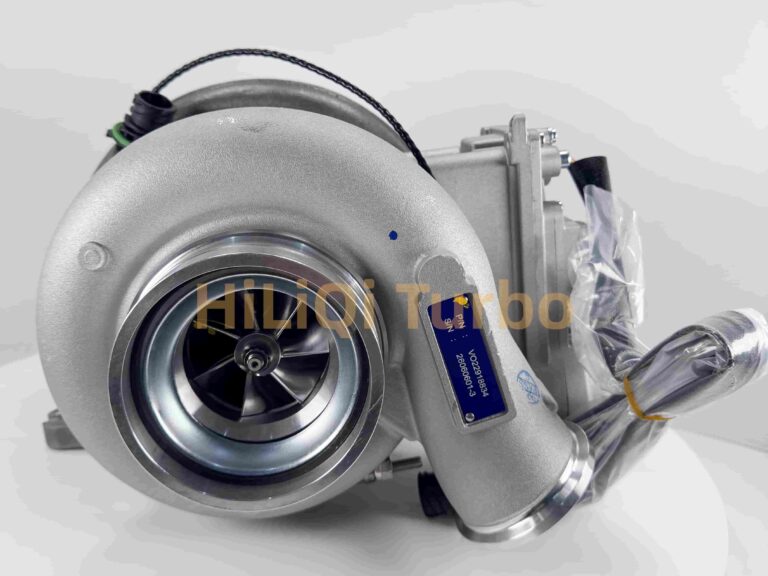
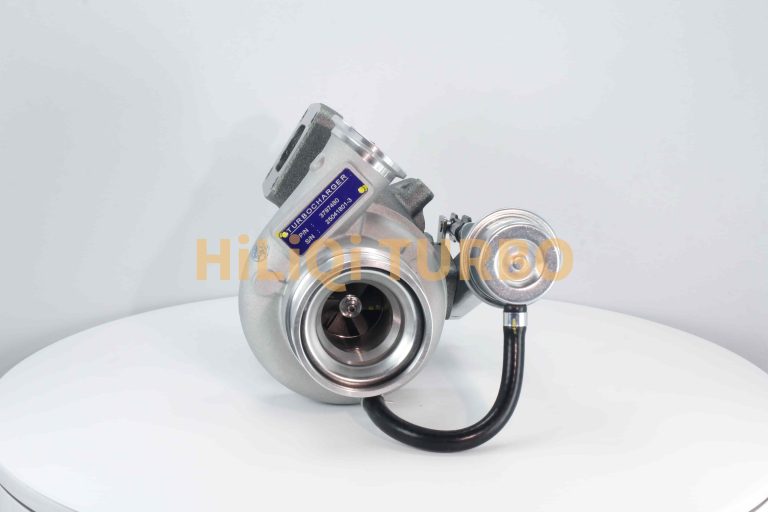
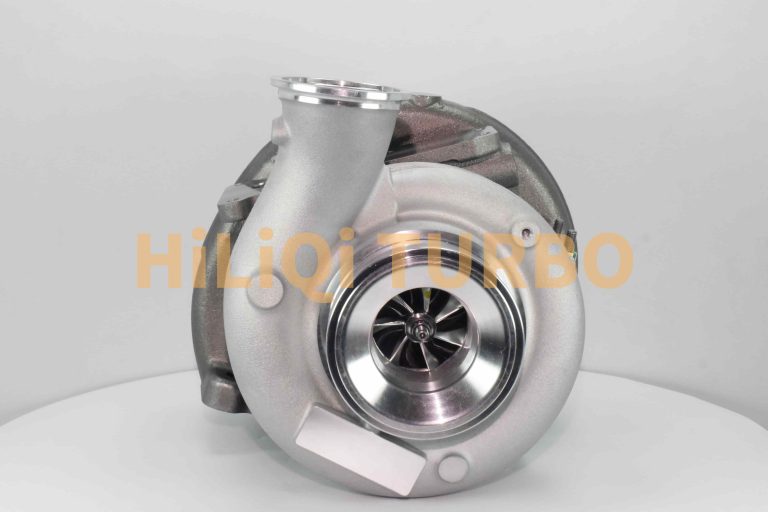
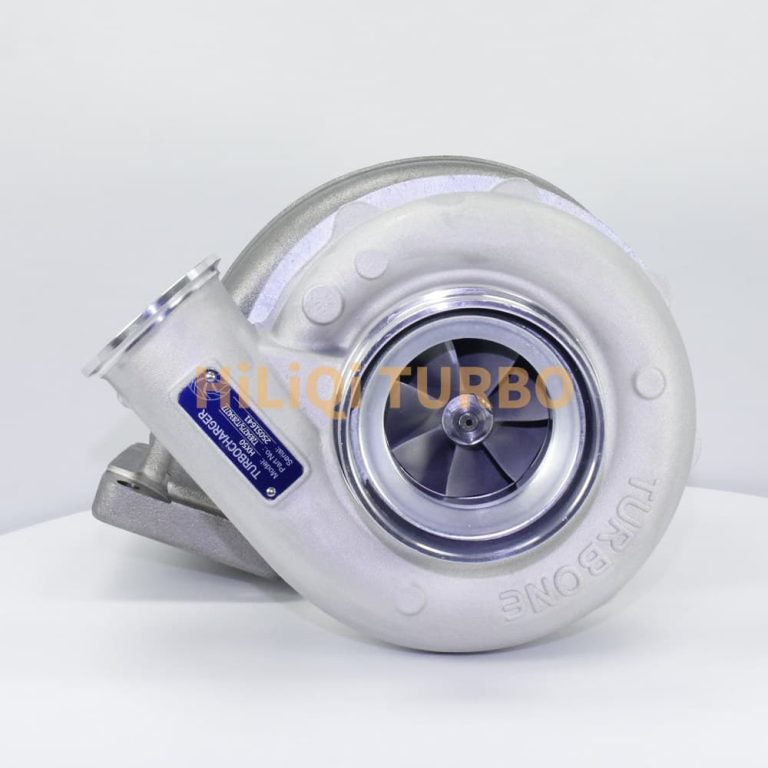
A Perkins turbocharger replacement is rarely a case of old turbo out and new one in. Often tractors, telehandlers, pumps, generators or industrial machines are subject to heavy dust, extreme temperatures, prolonged load, or uneven operating cycles. A replacement can fit the flange but be incorrectly calibrated for an engine, have the wrong actuator or airflow profile. The right course of action is to identify the engine, check the specification of the replacement turbo, diagnose why the original failed and check the new turbo is correctly calibrated before start up. This is far safer than guessing at the cause of failure and helps the buyer to get value for money when searching for an alternative supplier.
How Do You Confirm the Correct Perkins Turbocharger Replacement Before Ordering?
The first purchasing risk is misidentification. Perkins has produced many engine families and variants, and similar-looking engines may use different turbochargers. Perkins states that the engine serial number identifies the exact engine specification and is needed to confirm compatible replacement parts.
Start with the engine, not the machine model
Record the full engine serial number, build list, engine family, machine model, and equipment serial number where available. A tractor or excavator model can be sold with more than one engine configuration, so machine identification alone is not a reliable cross-reference.
Cross-check the existing turbocharger
Read the turbo nameplate before removal. Capture the turbo model, OEM number, assembly number, actuator type, and any manufacturer cross-reference. If the plate is damaged, photographs of the housings, oil connections, actuator, flange pattern, and orientation can help narrow the match.
Do not approve an order simply because the bolt pattern looks correct. A sound Perkins turbocharger replacement should match both mechanical interfaces and the engine’s airflow and boost requirements.
Why Does the Engine Application Change the Turbocharger Selection?

Agricultural and industrial engines do not share one duty cycle. A combine may spend hours near heavy load. A telehandler moves repeatedly between idle and load. A generator may run at steady speed for long periods. Those differences affect heat exposure, filtration demand, and turbo response.
Check the operating environment
Dust is especially important in agricultural work. Perkins notes that contaminated intake air can increase engine wear and that dirty operating environments require closer attention to air-filter condition. A damaged or poorly sealed intake system can also expose the compressor wheel to debris.
Match control and housing details
Verify compressor and turbine housing geometry, wastegate or actuator configuration, oil and coolant connections, flange orientation, and any sensor or control interfaces. If the original unit uses a calibrated actuator, changing its setting simply to make another turbo fit is not a proper match.
Also consider service access. A replacement that forces an oil line, bracket, or hose into a poor position may create a reliability problem after the machine returns to work.
What Should Be Inspected Before the Failed Turbocharger Is Replaced?
A failed turbo may be evidence of another problem. Replacing it without finding the cause can damage the new unit. Turbocharger manufacturers therefore recommend checking the engine, lubrication, intake, and exhaust systems before installation.
Look for the failure pattern
Check the compressor and turbine wheels for impact of foreign objects, rubbing, overheating, and deposits. Check the movement of the shaft, oil leakage, and the condition of the bearing housing.
The reason may be a partial blockage of the feed pipes, improper installation of the oil lines, poor priming of the system, or incorrect mounting of the gaskets. The bearings and shaft may fail due to contaminated oil. The causes of malfunction can also be a restricted air filter, boost pressure leak, crankcase ventilation, improper fuel system operation, or exhaust system back pressure.
Correct the cause before fitting the new unit
Replace contaminated oil and filters where required by the engine service procedure. Clean the intake and charge-air system if debris or oil residue is present. Check oil feed and drain lines for restriction or heat damage. If the old compressor wheel broke, inspect downstream components for fragments.
Root-cause work is part of the replacement, not an optional extra.
How Should a Replacement Turbocharger Be Installed and Commissioned?
Good installation practice protects a new CHRA during its first seconds of operation, when lubrication has not fully circulated. Always follow the service information for the specific engine and machine.
Prepare clean sealing and oil surfaces
Remove old gasket material and inspect the mating faces. Use the correct new gaskets and specified fastener torque. Make sure that sealant is not applied over any oil passage unless the engine manufacturer specifies that it should be. Excess sealant may cause restricted oil flow.
Oil feed and drain lines must be clean, free of damage, and properly routed. Following the recommendations in the Garrett installation instructions, you may want to add new engine oil to the turbo oil inlet, manually rotate the compressor wheel, and prime the oil circuit before starting the engine in normal operation.
Check the system before applying load
After startup, confirm that oil, air, and exhaust connections are leak-free. Listen for abnormal contact or whine and verify boost response under the manufacturer’s approved procedure. Do not begin with a full-load test simply to see whether the machine “pulls better.”
For seasonal agricultural equipment, a controlled operating check can prevent a field failure during the busiest part of the year.
How Can Buyers Evaluate Replacement Turbochargers Before a Bulk Purchase?

For distributors, repair networks, and fleet operators, unit price tells only part of the story. Fitment errors, repeated removal, and difficult warranty claims can quickly erase a small purchasing saving.
Ask for model-specific evidence
Request dimensional inspection records, balancing or performance documentation where applicable, traceability information, and clear cross-reference data for the Perkins application being purchased. The useful question is not whether a supplier “tests turbos,” but what is checked on this model and what record is retained.
Review warranty and sample approval
Confirm warranty length, exclusions, evidence required for a claim, and how failure analysis is handled. A supplier should be able to distinguish a manufacturing defect from oil starvation, foreign-object damage, or installation error.
Before a large order, compare a sample with the original unit for mounting geometry, port orientation, actuator arrangement, wheel movement, labeling, and packaging. Where practical, validate it on the intended engine before scaling the purchase.
What Should Buyers Expect From a Turbocharger Supplier?
Empresa fabricante de turbocompresores Beijing HiLiQi, Ltd. can provide replacement parts for passenger cars, commercial vehicles, agricultural machinery, and industrial equipment. Their turbocharger production is certified according to IATF16949 standard, while the management of drawings, materials, inspection, and packaging is controlled by the company which also selects the manufacturers for machining services. Such organization of production allows meeting the demands of serious buyers who require checking the correspondence of products to technical conditions before large-scale orders are launched. Finished-unit inspection can include dimensions, mounting-hole locations, angles, torque, and assembly checks, while separate performance records document operating parameters. Buyers sourcing Perkins applications should still provide the engine identification, existing turbo number, and machine details so the replacement can be matched to the actual configuration.
Conclusión
A successful Perkins turbocharger replacement depends on identification, diagnosis, fitment, and installation discipline. Confirm the engine serial information and turbo number, understand the machine’s duty cycle, correct the cause of the previous failure, and verify oil, air, exhaust, and actuator details before startup. For procurement teams, model-specific inspection records and a workable warranty process matter as much as unit price. These steps reduce avoidable rework and make aftermarket replacement decisions easier to defend.
Preguntas frecuentes
1. Can I choose a Perkins turbocharger replacement using only the machine model?
Not safely in every case. The same equipment family may use different engine or turbo configurations. Use the engine serial number, build list, existing turbo number, and machine details to confirm fitment.
2. Should I replace the oil feed line when installing a new turbocharger?
It depends on its condition and the engine procedure. A restricted, carbonized, damaged, or heat-affected feed line can starve the new CHRA of oil, so inspection and replacement may be necessary.
3. Why did the replacement turbo fail soon after installation?
Repeat failure often points to an unresolved system problem such as oil starvation, oil contamination, foreign-object damage, intake restriction, excessive crankcase pressure, or incorrect installation rather than the replacement unit alone.
4. What should a distributor check before ordering Perkins turbochargers in bulk?
Verify cross-reference accuracy, mounting and port geometry, actuator configuration, inspection records, traceability, warranty terms, and sample performance on the intended engine. Bulk purchasing should follow model-level validation rather than catalog matching alone.
5. Is an aftermarket Perkins turbocharger replacement suitable for agricultural equipment?
It can be suitable when the unit is correctly matched to the engine specification and operating conditions. Buyers should verify fitment, control configuration, inspection evidence, installation requirements, and supplier warranty support before purchase.