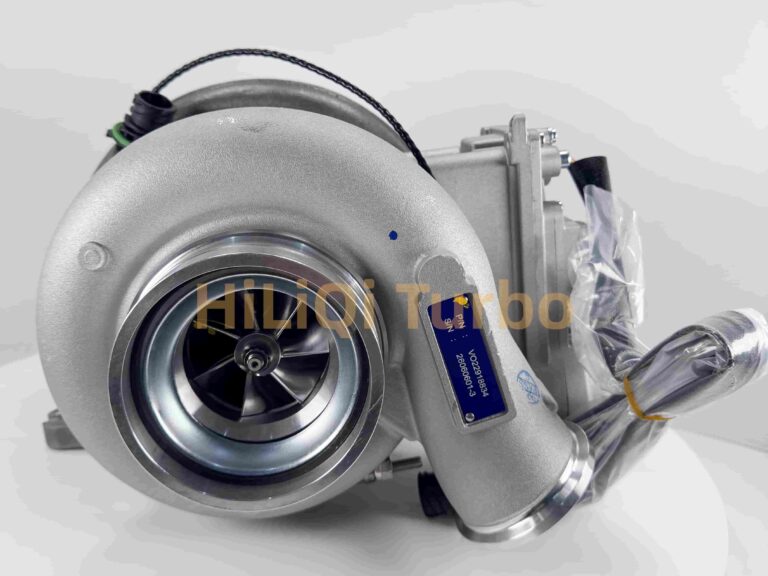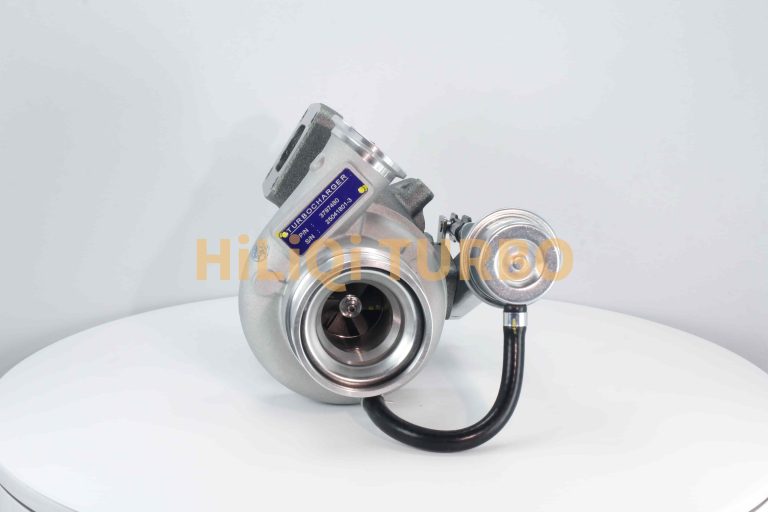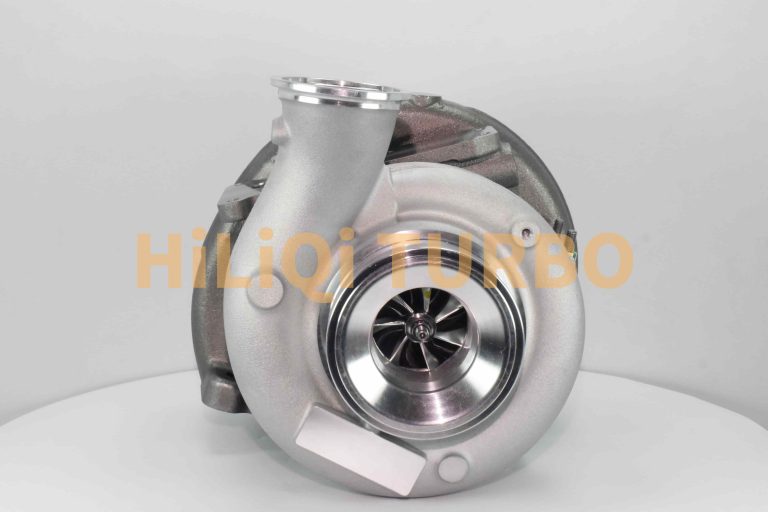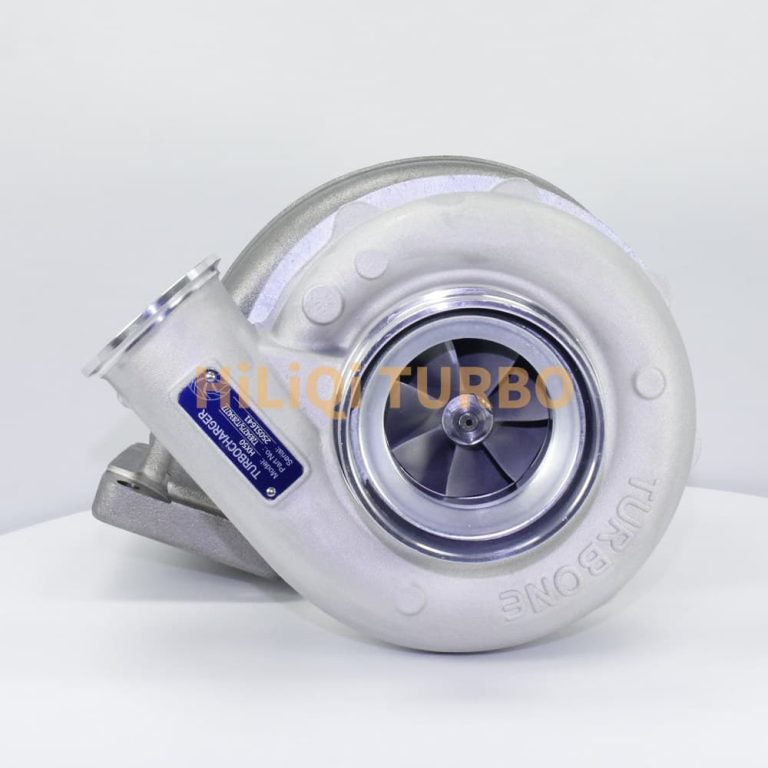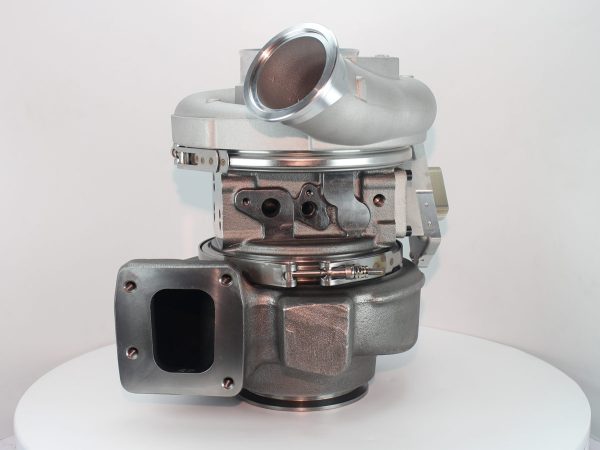
Turbochargers are finely made parts that greatly boost an engine’s efficiency and power. Regular turbocharger maintenance is key to keeping top performance, stopping early wear, and making the turbo last longer. Good care helps keep the spinning parts balanced, the bearings well-oiled, and the seals strong. This way, you maintain reliability and save on fuel. If you skip routine checks, you might face oil dirt, lower boost, or total breakdown. Those problems cost much more to fix than simple upkeep. Even experienced mechanics gain from clear check routines and step-by-step plans. These methods spot early damage signs before they turn into big issues.
What Are the Key Factors That Influence Turbocharger Longevity?
Knowing what affects how long a turbo lasts helps experts create solid maintenance plans.
The Impact of Operating Conditions on Turbocharger Wear
Turbochargers work in tough spots. High exhaust heat, boost pressure, and load changes cause real stress on the parts. Long time in hot conditions speeds up oil breakdown and harms turbine materials. Also, constant heavy use tires out compressor wheels and turbine shafts. Good oil matters a lot. Dirty or worn oil can scratch bearings or lock them up. In diesel engines, exhaust gases with soot or sulfur wear down the turbine housing. This leads to rust and erosion. So, you need better filters and cleaning to keep service times longer.
The Role of Proper Lubrication in Extending Turbo Life
Lubrication keeps a turbocharger running smooth. Use oils that the maker recommends. They have the right thickness for different heats. Late oil changes or bad filters let grit move through the bearings. This speeds up shaft damage. When you install a new turbo or rebuild the engine, prime the oil first. Do this before starting the motor to skip dry runs that hurt journal bearings right away. Keep an eye on oil pressure and heat while it runs. This helps make sure oil flows well in every situation.
How Can Regular Inspection Improve Turbocharger Reliability?
Steady checks are vital. They find early clues that might hurt how well the turbo works.
Critical Inspection Points During Routine Maintenance
A full turbocharger check covers several spots. Look at the compressor wheel for hits from objects. Check turbine blades for breaks or wear. Test actuator parts for easy motion. See if seals leak oil. Simple looks can spot uneven balance or too much side-to-side play. That might mean bearings are going bad. For tough jobs, heavy engines need checks every 5,000 to 10,000 hours. Cars that drive less often do well with reviews every 40,000 to 60,000 kilometers.
Diagnostic Tools and Techniques for Expert Evaluation
Modern tools make checks more exact. Vibration tests find uneven spots or bearing issues without taking it apart. End-play tools measure side movement very closely, down to tiny bits. Borescopes let you see inside turbine housings for spots or rust. Systems that log data track boost changes. They show problems before breaks happen. After fixes, balance machines check steady spin at fast speeds. This step is key for sure turbocharger work after putting it back together.
What Are Effective Cleaning and Servicing Practices for Turbos?
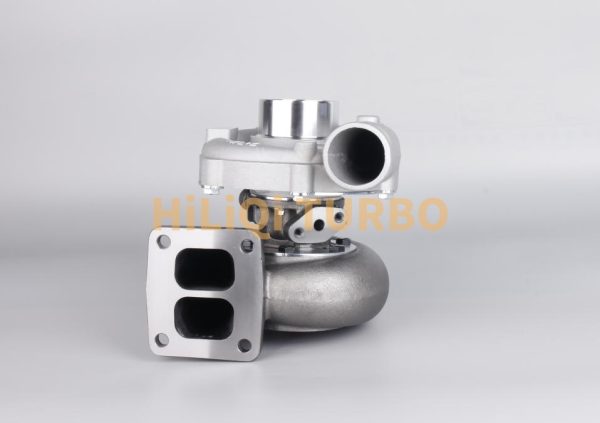
Right cleaning ways keep parts safe and bring back good work.
Cleaning Procedures Without Damaging Precision Components
Clean with soft cleaners that fit aluminum compressor parts and steel turbine pieces. Strong chemicals or rough blasts can change key surface fits. These fits matter for air flow or seal spots. Use controlled sound cleaning for small items like bearings and screws. It clears carbon without scratching. Dry all parts well with clean air. This stops rust from water before you put them together again.
Servicing Steps to Maintain Optimal Performance
Service starts with slow take-apart. Follow the maker’s tighten order to avoid bending thin housings. Mark each piece for its place. This keeps things lined up when you rebuild, which helps balance. Tighten bolts to the right force. Think about heat growth when it runs. For turbos with moving vanes, reset after cleaning. This makes sure vanes move right. It helps control boost and quick changes well.
How Can Installation Practices Affect Turbo Service Life?
How well you install a turbo sets how long it will work fine.
Pre Installation Checks Before Mounting a New Turbocharger
Before fitting a new turbo, clean oil lines of junk or thick gunk. This stops blocks in oil flow. Check the intercooler and air intake for old dirt from past breaks. That way, nothing bad gets into the compressor. Put gaskets in the right spots. This avoids gas leaks or dirty air getting in, which hurts work over time. Also, test sensors. They give true info to controls that handle boost.
Post Installation Procedures to Protect the Unit During Initial Operation
Once installed, prime oil by turning the engine without spark until pressure is steady at the turbo spot. This skips rough starts on bearings. The first run needs slow load build. It lets heat settle between hot parts and oil layers form on shafts. Watch boost and exhaust heat closely in this break-in time. It confirms all stays safe for a long run.
Why Is Professional Reconditioning Beneficial for Aging Turbos?
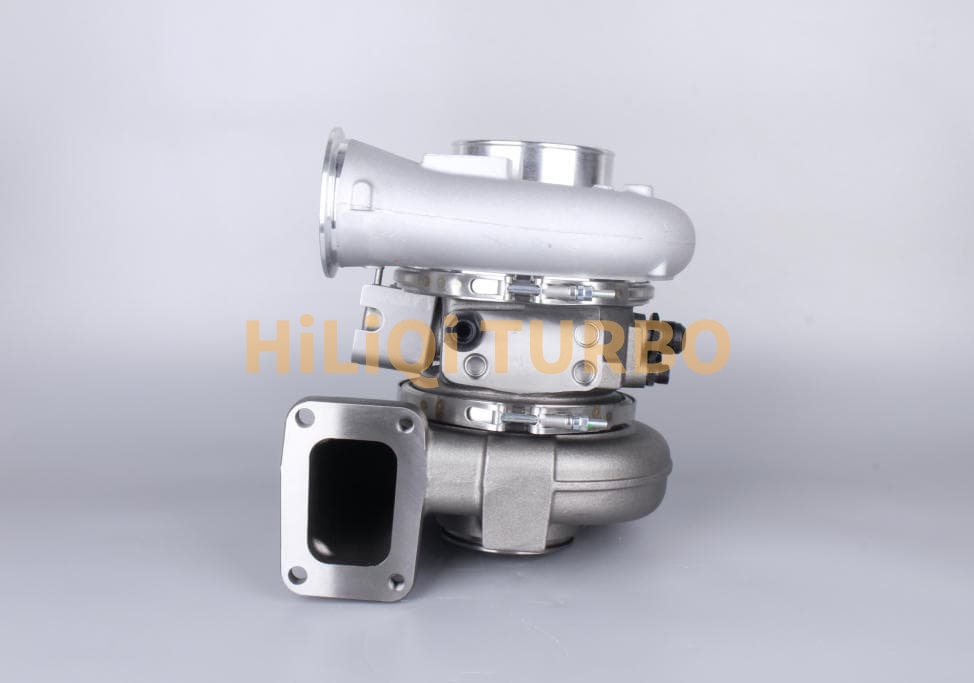
When a turbo shows wear but new ones cost too much, pro reconditioning is a good choice.
Evaluating When Reconditioning Becomes Cost Effective
Reconditioning works when main parts like shafts or wheels are still solid. But seals or bearings need new ones. Weigh full new cost against fix-up. If housings have bad cracks, it’s often not fixable. Exact rebalancing brings back first-rate work by cutting shakes at high turns. New seals stop oil leaks. Together, they make old turbos almost as good as new from the maker.
Selecting Qualified Service Providers for Reconditioning Work
Pick a shop with maker-level balance tools for true sizes in rebuilds. Workers should get parts that match first specs, not cheap ones that fail fast. Full records with test info, like air flow checks, prove it meets needs after done. This gives sure proof for pros who count on steady results.
Who Is Beijing HiLiQi Turbocharger Manufacturing Co., Ltd.?
Beijing HiLiQi Turbocharger Manufacturing Co., Ltd. is a solid company focused on study, design, making, and selling top turbochargers. They cover car, boat, farm gear, and factory power needs. They stress exact building with tight quality steps in all making. The firm has built trust in home and world markets. They offer maker-quality goods with full tech help. This boosts buyer joy through new ideas that improve work and strength.
Conclusion
Making a turbo last longer comes from steady follow of good ways. These include oil care, timed checks with smart tools, clean methods that skip rough rubs, careful install steps for line-up and oil flow, and quick fixes when age shows. Using these keeps parts strong in hard spots. It holds top work over the engine’s full life. This is a main goal in pro turbocharger care plans around the world.
FAQs
What are common warning signs of turbocharger failure?
Usual signs cover odd whines from the compressor when speeding up, too much smoke from exhaust showing oil in the burn area, power drop under work from weak boost, or oil drips near turbine parts that need fast checks.
How often should a professional inspection be scheduled?
For hard jobs like trucks or power units that run non-stop, checks every 5,000 to 10,000 hours make sense. Cars driven now and then should get full looks about every 40,000 to 60,000 kilometers. Base it on how rough the drive is.
Can aftermarket modifications affect turbo longevity?
Yes. Changes that raise boost over safe levels add heat stress to turbines. New fuel setups can heat exhaust more. So, right tune work plus better cooling is key to keep it reliable after any power boosts.