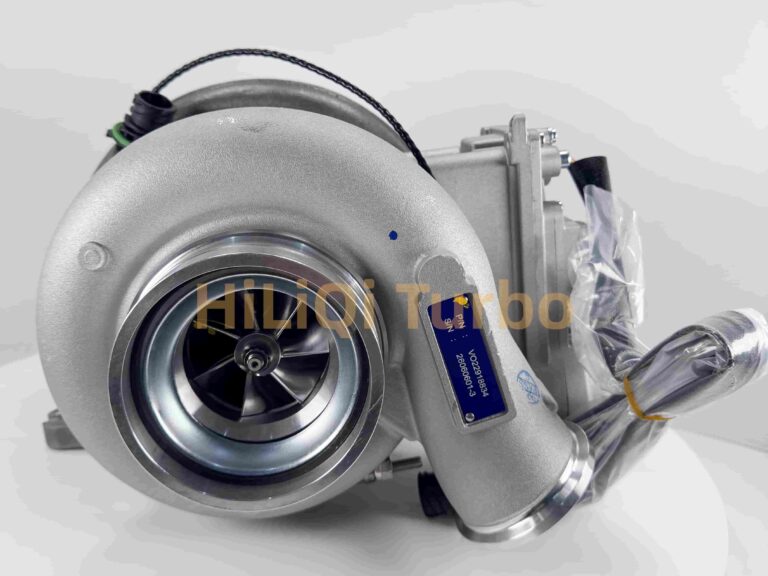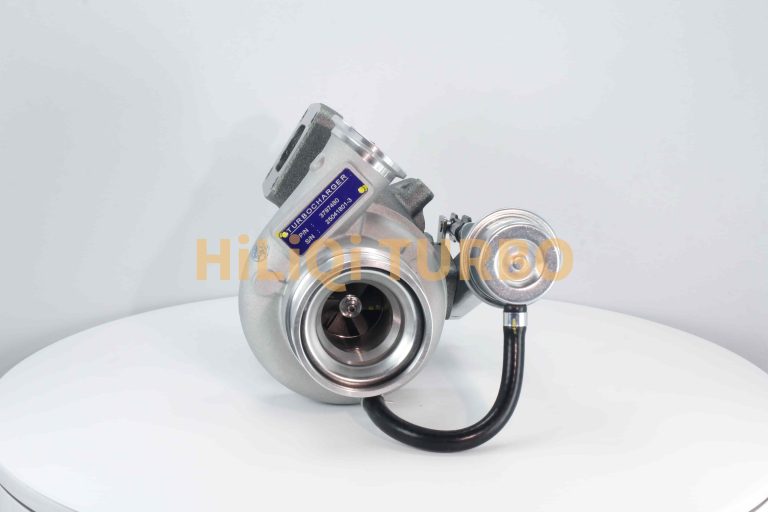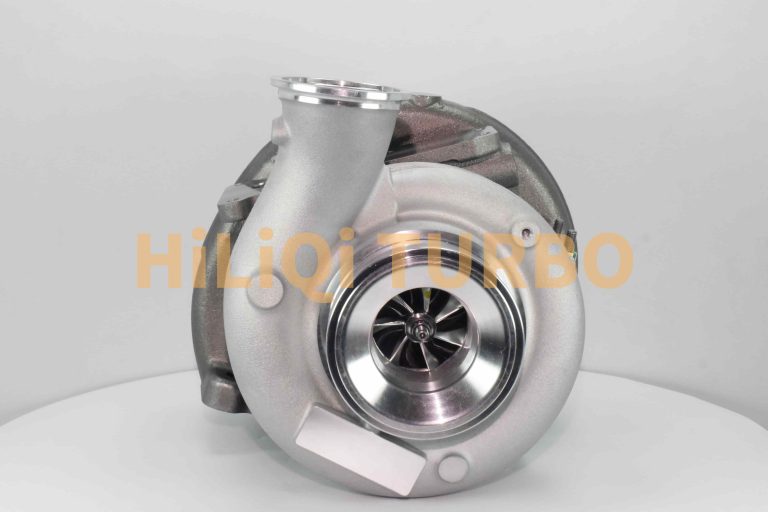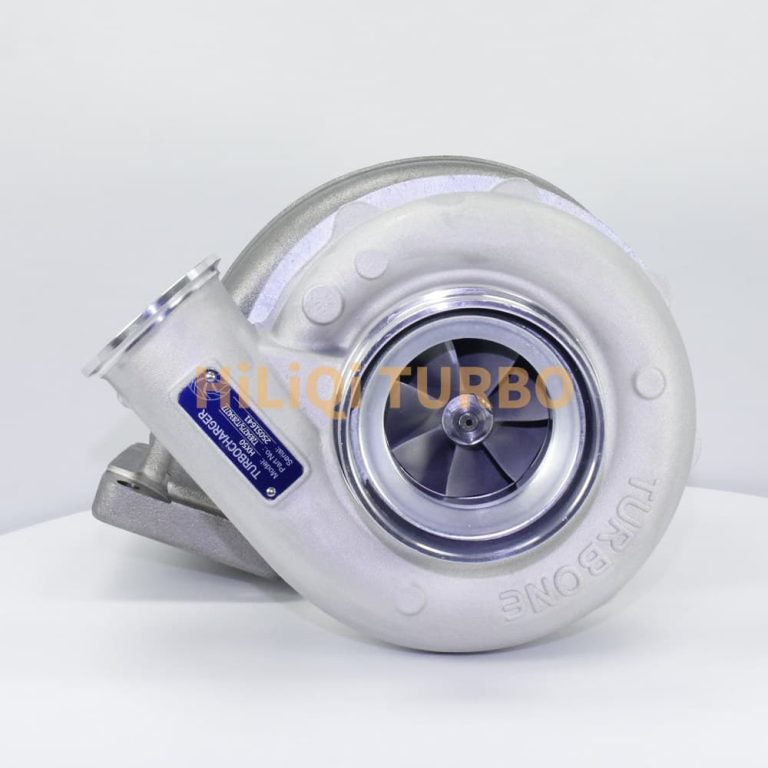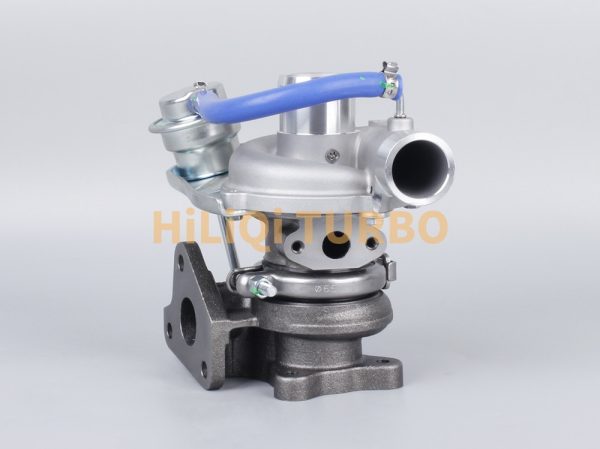
The installation of a turbocharger on an engine is critical to achieve the highest possible performance, best possible fuel economy and longevity of all of the engine’s components. Even a simple mistake made during the installation process can cause serious damage to parts of the engine, such as oil leaks, low boost pressure or even cause the failure of the entire turbocharger. This in turn will de-rate the power output of the engine and, more importantly, could cause serious damage and result in expensive repairs as well as potentially mean that the engine is out of action for a period of time. It is therefore very important that a proper installation checklist is used when installing a turbocharger to ensure that all critical areas are inspected and properly set up before the engine is first started. This article will describe how best to install a turbocharger and perform routine maintenance to the component.
What Preparations Are Needed Before Installing a Turbocharger?
Important work must be done to your engine and other associated parts before you install your new turbocharger. Ensure that all parts are working properly to avoid any potential problems that could arise when using your new turbocharger.
Inspecting Engine and Lubrication Systems
Start by checking the engine oil for signs of contamination or deterioration. Fresh, clean lubrication is critical in the initial stages of operation to protect newly installed bearings. Check the oil supply and return lines for any blockages and ensure they are correctly routed to maintain a constant oil supply. Also check the crankcase ventilation system for any restriction as pressurization can cause oil to leak through the turbo seals.
Examining the Intake and Exhaust Systems
Inspection of intake parts such as intakes, pipes, and intercoolers for blockages or damage, which could cause problems with the airflow to the compressor wheel. Check exhaust manifold for cracks, warping, or severe carbon buildup, which could affect the surface which it seals against. It is also wise to replace all gaskets and seals with new ones before you reassemble all of the parts.
How Can Proper Oil Supply Prevent Turbocharger Oil Leaks?
A reliable oil supply system is crucial for preventing oil leaks from turbochargers and for their long-term operation.
Ensuring Correct Oil Pressure and Flow
Technicians should measure oil pressure at the turbo inlet during cranking to confirm adequate supply before ignition. Using sealants near oil passages is discouraged since excess material can obstruct flow paths. Always use manufacturer-specified fittings and restrictors suited for each turbo model to maintain correct lubrication balance between pressure and flow rate.
Verifying Oil Drainage Efficiency
It is also important to drain the oil of the turbocharger efficiently to the engine sump. The oil drain line has to be designed in a way so that it is always running downwards without any kinks or constrictions. The return point has to be positioned above the oil level in the sump to avoid any backflow into the bearing housing. Sharp bends as well as too small hoses have to be avoided as residual oil can accumulate in these cases, leading to smoke or even to a seal breakage.
What Steps Help Prevent Low Boost After Turbo Installation?
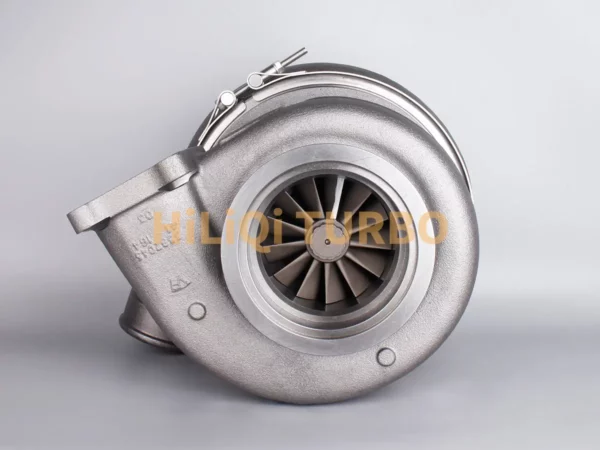
Low boost pressure after installation can be caused by air leakages or an incorrect setting of the wastegate. In both cases performance will be drastically reduced.
Diagnosing Potential Air Leaks in the System
Pressure test all intake components including the intercooler cores, couplers and hoses and pipes prior to first use. Any leaks will severely impact boost pressure and affect air / fuel ratio. Check all clamps are tightened equally and avoid over tightening of silicone hoses as this can cause premature wear / hose slippage under load. Also check for cracks / loose fittings on vacuum lines connected to wastegate actuators as these can cause loss of control signal.
Checking Wastegate and Actuator Operation
Following the leak test check the wastegate for correct operation by connecting the air pressure regulator to the actuator port and checking the valve for movement. Check that the actuator’s pre-load is set to the value recommended by the manufacturer. Incorrect pre-load may result in delay of boost pressure or in overboosting. Internal wastegates should be disassembled for cleaning of carbon buildup on the valve seats. Such buildup may prevent the valve from closing completely, which may cause low boost pressure that is not repaired by any other means.
How Can You Avoid Repeat Turbocharger Failure?
Address the root causes of failures that have occurred in the past rather than simply replacing faulty items.
Flushing Contaminants from Lubrication and Air Systems
Were metallic particles found in earlier failures? If so, make sure to clean or replace all oil feed lines prior to installing the new turbocharger. Also, make sure to change the air filters to avoid damaging the compressor blades by intake of residual particles. When contamination has also reached the intercooler, it must be thoroughly flushed with suitable solvents to prevent re-contamination of the intake air by remaining contaminants that have penetrated into the intercooler.
Following Correct Start-Up Procedures After Installation
Before starting the engine for the first time after installation, prime the turbocharger with clean engine oil through its feed port to minimize dry friction on bearings. Disable ignition or fuel injection systems during initial cranking so that sufficient oil pressure builds up safely across lubrication circuits. During subsequent test runs, monitor boost levels, exhaust gas temperature, and unusual noise patterns closely—these indicators help detect early anomalies before they escalate into critical failures.
Why Is Documentation Important During Turbocharger Installation?
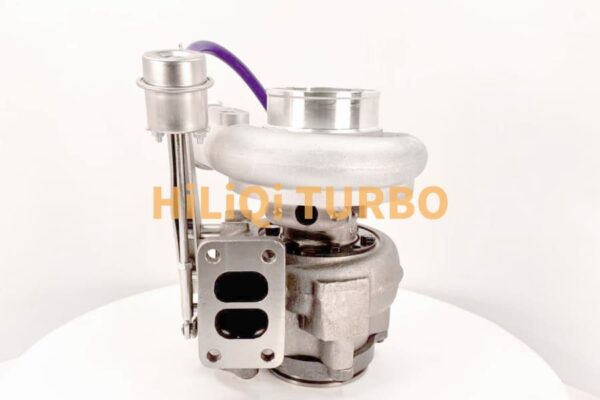
Accurate documentation ensures that all the steps taken during the installation are traceable and enables future diagnostics.
Recording Key Measurements and Torque Values
Record the torque setting for manifold bolts, compressor housings, etc. in addition to all fluid connections. Record the pre-installation measurements of such items as shaft end play or radial clearances, these can be very useful when analyzing future wear issues or vibration problems.
Maintaining Service Records for Future Diagnostics
Keep a detailed log of replaced parts, lubricants, and any required calibration changes. Any unusual occurrences can also be documented and will aid warranty processing and troubleshooting for any future performance problems.
Who Is Beijing HiLiQi Turbocharger Manufacturing Co., Ltd.?
Beijing HiLiQi Turbocharger Manufacturing Co., Ltd. is an experienced and professional turbocharger supplier. HiLiQi produces turbochargers for automotive applications as well as for use in marine, construction machinery and industrial applications. All HiLiQi turbochargers can be designed according to customers’ special requirements for specific engines. The high quality products are produced strictly according to production processes. HiLiQi’s technical team can provide customers with detailed installation manual and technical support in order to get the best performance and longest lifespan from HiLiQi turbochargers. In addition to providing OEM turbochargers and other replacement turbochargers, HiLiQi also offers high performance turbochargers upgrade. Global logistics services are available to deliver products on time to customers all over the world.
Conclusion
Our structured turbocharger installation checklists ensure that the risks associated with oil leakage or low boost pressure are prevented and best possible operation is achieved in the long term. All stages of the checklists have to be inspected in detail. In addition to checking the lubrication, the actuator calibration must also be checked. Recording the checklists also creates a document trail, which is invaluable for quickly diagnosing any performance problems that may develop later. Using the best possible combination of technical discipline and the highest quality of components from a supplier such as Beijing HiLiQi Turbocharger Manufacturing Co., Ltd. ensures that the very best results are achieved across all areas of application, and extends the life of the equipment.
FAQs
What causes repeated turbocharger failures even after replacement?
Most failures are a result of unrepaired root causes of previous failures like restricted oil supply through feed lines, contaminated lubrication systems with abrasive contamination from previous failures or wrong start up procedures with not enough priming of pumps to protect bearings from damage.
How can I verify correct boost levels after installation?
Record target pressure versus test drive speed and compare against manufacturer recommended performance data using a calibrated mechanical boost gauge or via a diagnostic scanner during controlled test driving. Check for leaks around intake couplers as well as for any problems with actuator linkage or its proper adjustment, which could adversely affect the accuracy of wastegate response.
When should I replace oil feed lines during turbo replacement?
When replacing failed units in the past due to contamination or thermal coking in oil feed lines, we replace the oil feed lines. Any residual contamination in the new part could cause inconsistent lubrication delivery.